2026 Top Types of Tarpaulin Sheets for Global Buyers?
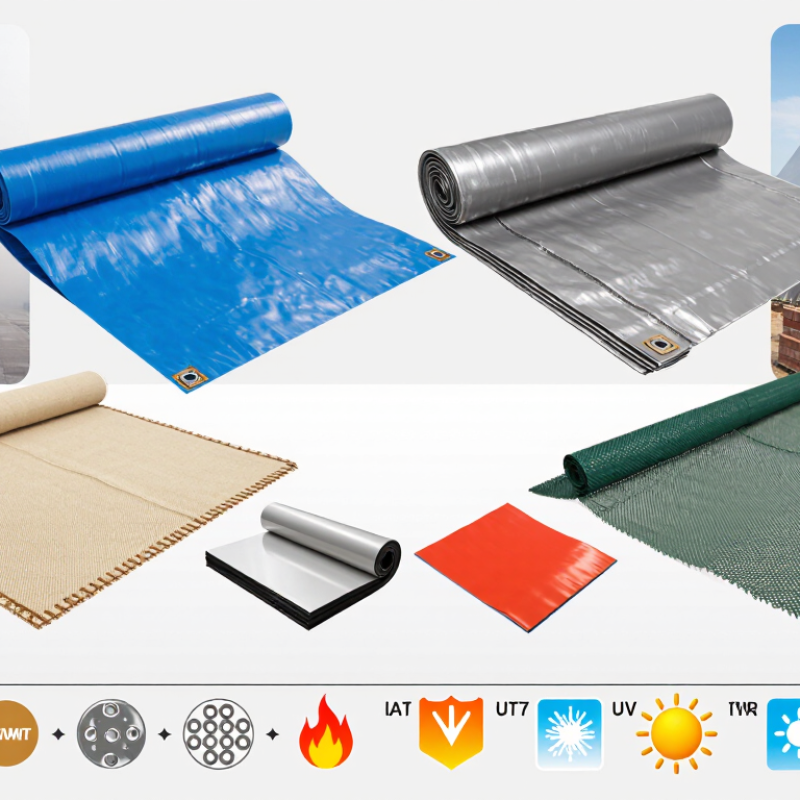
A reliable tarpaulin starts with the application, not the lowest quotation. Buyers should request test reports for tensile strength, tear resistance, seam strength, coating adhesion, and eyelet pull-out. ISO 1421 supports tensile testing for coated fabrics, while ISO 4892-3 helps assess ultraviolet ageing. Ask for exposure hours, temperature ranges, and retained strength. Numbers matter more than phrases such as “heavy duty.”
Safety checks must match the site. Construction covers may require flame-performance testing under EN 13501-1, where applicable. Agricultural sheets need controlled light transmission, safe chemical contact, and clean welds.
For storage, inspect a sample after folding it several times. Cracked corners often reveal weak plasticizers or poor coating control. A perfect sheet is not a realistic promise. Weather, tension, and careless handling still shorten service life.
Sustainability needs evidence, not green wording. The OECD’s Global Plastics Outlook reported 353 million tonnes of plastic waste in 2019, with only 9% recycled. UNEP’s 2023 Turning off the Tap report says plastic pollution could fall by 80% by 2040 through reuse, recycling, and better design. Buyers should check verified recycled content, material composition, repair options, and end-of-life routes. Recycled content can affect color consistency and welding. That weakness deserves honest disclosure. Request batch traceability, a restricted-substance declaration, and lifecycle data when available. Different markets may demand different documentation.