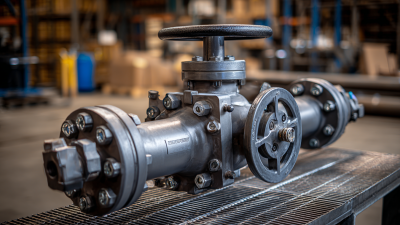
The 4 inch gate valve is an essential component in various piping systems. It offers a simple and effective method to control the flow of fluids. This type of valve operates by lifting a metal gate out of the path of the fluid. When fully opened, it allows maximum flow with minimal resistance.
Understanding how a 4 inch gate valve works is crucial for engineers and technicians. The design is straightforward, yet it comes with challenges. Sometimes, the valve may not fully close, leading to leaks. Maintenance is important to prevent such issues.
Installing a 4 inch gate valve requires careful consideration. The right positioning can ensure optimal performance. However, improper installation can lead to problems down the line. Exploring the mechanics of this valve can help users appreciate its role in a system. It’s not just a tool; it’s a necessary part of fluid management.

A 4 inch gate valve is a crucial component in piping systems. This valve operates by lifting a gate out of the flow path. When fully opened, it allows maximum fluid flow. Conversely, closing the valve lowers the gate, blocking the flow. This simple yet effective mechanism is vital for controlling water, gas, or oil in various applications.
In many industries, a 4 inch gate valve is used for isolation purposes. It's ideal for systems that require a straight flow path. The design minimizes pressure drop. These valves are often installed in large pipelines. They provide reliability under high pressure and temperature conditions.
Tips: Regular inspection is key. Look for leaks and corrosion regularly. Check the actuator for proper operation. If maintenance is neglected, the valve may fail when needed most. It’s wise to have spare valves on hand for emergencies.
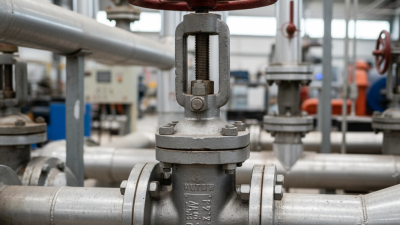
The construction materials of a 4 inch gate valve are crucial for its performance.
Typically, these valves are made from durable metals like brass,
stainless steel, or cast iron.
Each material offers different benefits. For instance, stainless steel is resistant to corrosion.
It's perfect for applications involving water or chemicals.
Cast iron is strong but can be prone to rust over time.
Design features of a 4 inch gate valve play a significant role in its functionality.
The valve consists of a wedge-shaped metal piece that rises or lowers to control flow.
In addition, there are often packing glands to prevent leaks.
However, these components can wear down. Regular maintenance is necessary to ensure seamless operation.
A poorly maintained valve may lead to performance issues.
The simplicity of a gate valve design is appealing. Yet, this simplicity can be misleading.
If not used correctly, these valves do not handle throttling well. They function best when fully open or closed.
Understanding these limitations is essential for successful applications.
Increased awareness leads to better decision-making in valve installations.
A 4-inch gate valve is crucial in controlling fluid flow in various systems. Its operation is straightforward yet effective. When the valve is opened, the gate moves perpendicular to the flow, allowing fluids to pass through unhindered. In a closed position, the gate seals the flow by moving down into the valve seat, creating a tight closure with minimal leak potential.
Mechanically, the operation of a 4-inch gate valve involves several components. The stem, often equipped with a handwheel, raises the gate when turned. A significant feature is its ability to handle high-pressure conditions. Reports indicate that proper sealing can maintain pressures exceeding 250 psi in many applications. A 4-inch gate valve can represent a potential bottleneck if not sized correctly. A mismatch can lead to unnecessary pressure drops.
While 4-inch gate valves are reliable, they are not immune to wear over time. Common failures include gate deformation or seat damage. Regular maintenance and inspection are key to prolonging lifespan and ensuring optimal performance. Data shows that unmonitored valve failures can lead to significant operational downtime and increased costs. It's essential to address these issues proactively for system reliability.
| Feature | Description |
|---|---|
| Size | 4 inches in diameter |
| Type | Gate Valve |
| Operating Principle | Mechanically raises and lowers a gate to control flow |
| Material | Commonly made from cast iron, stainless steel, or brass |
| Connection Type | Flanged or threaded connections |
| Applications | Used in water supply, wastewater treatment, and industrial processes |
| Advantages | Provides a straight-through flow with minimal pressure drop |
| Disadvantages | Not suitable for throttling; slower operation compared to ball valves |
4 inch gate valves are essential in various industries. They allow for efficient flow control in pipelines. These valves are commonly used in water distribution systems, power plants, and oil and gas sectors. Their design permits full flow with minimal pressure drop, making them ideal for large-diameter applications. According to a recent report by MarketsandMarkets, the valve market is projected to grow at a CAGR of 5.4% from 2021 to 2026.
In the oil and gas industry, 4 inch gate valves are crucial for safely regulating the flow of crude oil and natural gas. They can handle high-pressure systems. The valves can also be found in chemical processing plants. Here, they manage the flow of corrosive substances and maintain safety standards. Notably, a study from the American National Standards Institute highlights that improper valve selection can lead to costly leaks and system failures.
The water treatment industry also relies on 4 inch gate valves for efficient control. They help manage water flow in treatment facilities. However, these valves can sometimes face challenges like corrosion or wear over time. Maintenance can be tricky, and replacements may be needed sooner than expected. This can lead to unplanned downtime, impacting overall operations. Despite these issues, their robustness when correctly installed makes them invaluable to industrial applications.
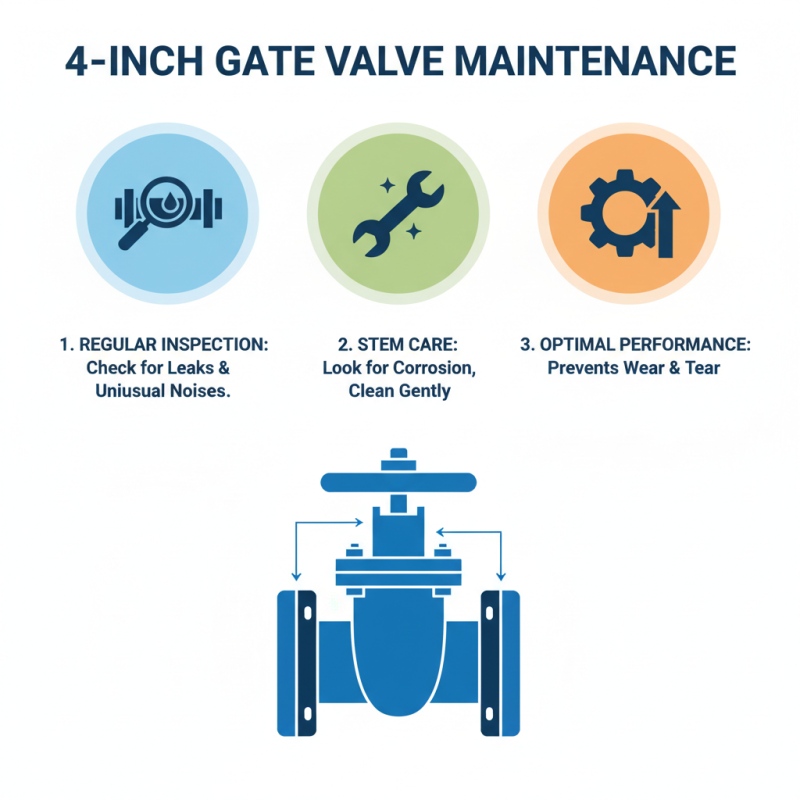
Maintaining a 4-inch gate valve requires attention and care. Regular inspection is crucial. Look for leaks or unusual noises. These can indicate wear and tear. Check the valve stem for corrosion. A rusty stem can hinder performance. Clean it gently with a suitable cloth.
Lubrication is key for optimal function. Use a quality lubricant on moving parts and the valve threads. This helps prevent sticking. Over time, gate valves might need adjustment. If they don’t open or close fully, it’s time to act. Regular adjustments can prolong the valve's life.
Don’t overlook the importance of water quality. Sediments can build up inside the valve. This may lead to damage or dysfunction. Regularly flush the system to keep it clean. Ignoring maintenance can cause costly repairs later. Remember, a well-maintained valve operates smoothly and efficiently.