When searching for the best 4 inch gate valve, price and quality are two key factors to consider. A good valve is crucial for effective fluid control in various applications. The market offers a variety of options, but not all valves are created equal.
Many users often overlook important specifications. Material type, pressure ratings, and design influence performance significantly. Understanding these elements can lead to better purchasing decisions. Consumers are encouraged to compare products carefully to avoid future issues. It's essential to find a valve that balances cost with reliability.
In this guide, we will explore various brands and models of 4 inch gate valves. By analyzing customer reviews, expert opinions, and price ranges, we aim to provide insights. However, keep in mind that finding the ideal valve may require some patience. The goal is to identify options that meet your needs while ensuring long-term performance and value.

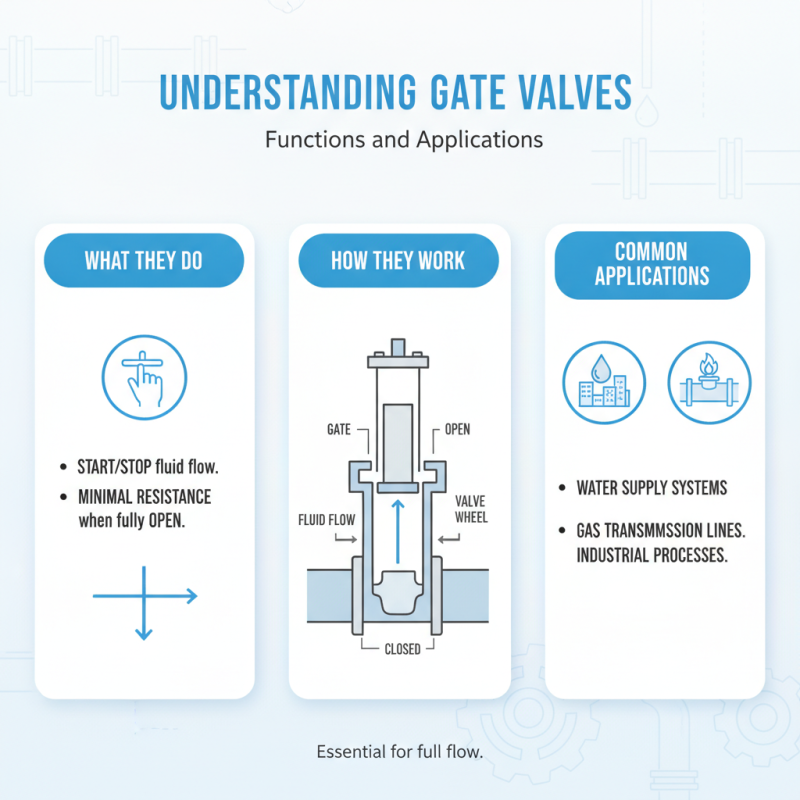
Gate valves are essential components in various industries, including water supply and gas transmission. They are designed to start or stop fluid flow. Unlike other valve types, gate valves provide minimal resistance when open. This feature makes them ideal for applications where full flow is necessary.
Proper maintenance of gate valves is crucial for efficient operation. Industry reports reveal that regular inspections can extend a valve's lifespan by up to 30%. Corrosion and wear can significantly affect performance. Therefore, using high-quality materials in construction is important. According to a recent market analysis, stainless steel gate valves are preferred for their durability and resistance to harsh environments.
**Tip:** Always ensure the valve is fully open or closed to prevent wear and tear.
Gate valves are widely used in wastewater systems and chemical plants. They can handle high pressure and temperature. However, they are not typically used for throttling. This limitation can lead to inefficiencies in some systems. Users must consider these factors when selecting valves for their applications.
**Tip:** Assess your system’s flow requirements before choosing a valve type.
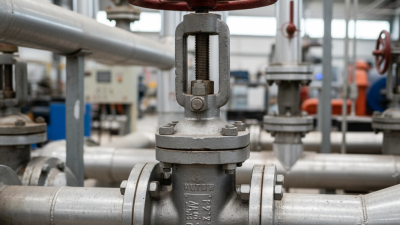
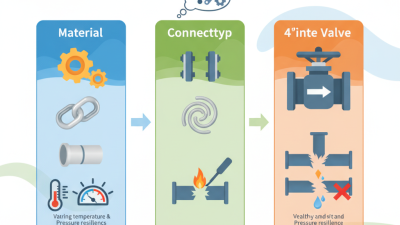
When considering the price of a 4 inch gate valve, several factors come into play. Material type is a significant influence. Common options include stainless steel, brass, and PVC. Stainless steel offers durability and resistance to corrosion, but it often comes with a higher price tag. Conversely, PVC is more affordable but lacks the same strength and longevity.
Manufacturing processes also affect cost. Valves produced with advanced techniques may offer enhanced performance. Quality control standards play a role too. Manufacturers who prioritize rigorous testing usually produce higher-quality valves, justifying a higher price.
Market demand and supply conditions can additionally sway prices. Increased demand often leads to higher costs. However, oversupply can drive prices down. It's essential to evaluate these factors carefully. A cheaper valve may not always be the best choice. Sometimes, investing in a more reliable option can save money in the long run. Quality often determines performance and lifespan, impacting your overall value.
When selecting a 4-inch gate valve, quality is paramount. Various specifications can significantly impact performance. Focus on materials, durability, and valve design. The construction material affects resistance to corrosion and pressure. Many valves use cast iron or stainless steel. Stainless steel offers better longevity but may cost more.
Another important specification is the valve’s flow capacity. Ensure it meets your system requirements. A valve that can’t handle the necessary flow can lead to inefficiencies or failures. Pay attention to the seat and stem design, as these components influence sealing effectiveness.
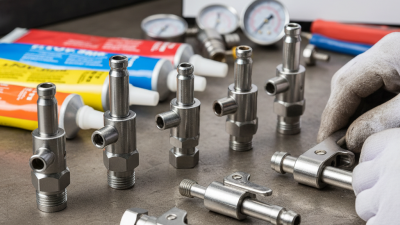
In terms of installation, thread types matter. Proper fitting is essential for optimal function. Poor connections can result in leaks or operational issues. Reviews often highlight how installation ease varies by model. Reading user feedback may reveal common concerns. Balancing price with quality is challenging but crucial in finding reliable gate valves.
When it comes to 4 inch gate valves, the market offers various options to consider. Analyzing the balance between price and quality is crucial for making an informed choice. Some valves may appear cheaper but compromise on quality. It’s essential to examine the materials and construction. A well-constructed valve can prevent leaks and ensure longevity. Quality often reflects in durable materials, like stainless steel or ductile iron. These options may have a higher upfront cost but save more in the long run.
Top brands in the industry typically excel in both performance and durability. However, not all brands carry the same reputation. Some may market themselves as high-quality but lack solid reviews. Checking online forums and expert opinions can provide valuable insights. User experiences often reveal real-world performance that marketing fails to deliver. A solid gate valve should withstand various operating conditions without frequent maintenance.
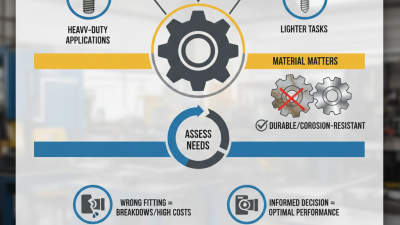
Quality assessment shouldn't just focus on the initial purchase. Some cheaper alternatives might need replacement sooner, leading to more expenses. Understanding your specific needs can help in choosing the right valve. Consider the environment and the pressure levels it will endure. Taking time to research will yield better results. Explore options and make a decision that balances both price and quality effectively.
| Feature | Brand A | Brand B | Brand C | Brand D |
|---|---|---|---|---|
| Price ($) | 150 | 120 | 180 | 160 |
| Material | Ductile Iron | Cast Iron | Stainless Steel | Bronze |
| Pressure Rating (psi) | 150 | 200 | 300 | 250 |
| Warranty (years) | 5 | 3 | 7 | 6 |
| Customer Rating (/5) | 4.5 | 4.0 | 4.8 | 4.2 |
| Availability | In Stock | Out of Stock | In Stock | In Stock |
When looking for 4 inch gate valves, the quality and source are paramount. Online marketplaces have a plethora of options, but not all are reliable. A recent industry report indicated that nearly 30% of online valve purchases result in unsatisfactory products. This statistic highlights the importance of choosing reputable suppliers.
Well-established industrial suppliers often provide comprehensive product details. They ensure that the valves meet strict manufacturing standards. This can greatly reduce the risk of purchasing low-quality items. Some platforms also offer customer reviews, which can be a valuable resource. High ratings often correlate with better product performance and durability.
Purchasing from specialized industrial distributors may come at a higher cost. However, the investment usually pays off in reliability and longevity. Some distributors also provide technical support to help with installation and maintenance. This support can be invaluable for both professionals and DIY enthusiasts. In the end, understanding where to buy is just as important as finding the best price.