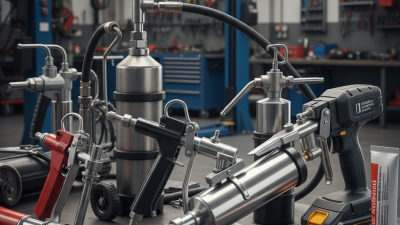
Choosing an air grease gun for industrial work is not a simple shopping decision. Production lines punish weak tools quickly. A slow pump can delay maintenance, while an inaccurate coupler can waste grease around a dirty fitting.
This guide examines seven leading air grease gun options for demanding workshops, factories, fleets, and heavy equipment bays. Each model is considered through practical criteria. These include delivery rate, working pressure, barrel capacity, hose reach, trigger control, balance, and connector reliability. Noise, compressor demands, and clean handling also matter. Small details matter.
A lubrication tool must match the machine, grease grade, and maintenance routine. NLGI 2 grease may behave differently in cold storage than in a warm service bay. An oversized barrel can feel heavy after several hours. A compact gun may reach tight zerks more effectively. No model wins everywhere. That is worth admitting.
Lubrication specialist Jim Fitch offers a useful principle: “Clean, correct, and controlled lubrication prevents expensive mistakes.” His reminder fits every air grease gun reviewed here. Pressure alone does not prove quality. Consistent delivery and careful coupling matter more.
We compare published specifications with realistic industrial use. The discussion also considers operator fatigue, seal protection, and serviceability. Some ratings look impressive on paper but feel less convincing beside a noisy compressor. Others seem modest yet perform steadily during repetitive work. That difference deserves attention.
The goal is not to promote one universal winner. It is to help maintenance teams choose a dependable tool for their actual conditions. Expect practical strengths, limitations, and a few uncomfortable trade-offs.
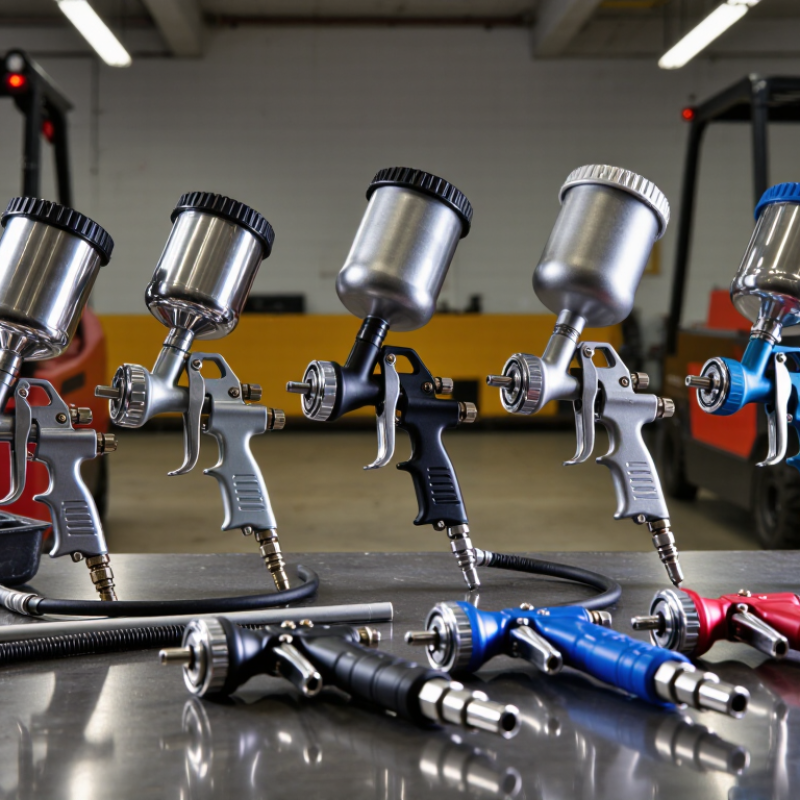
Air-powered grease guns convert compressed air into steady lubricant delivery, making them useful on conveyors, excavators, presses, and large bearings. Unlike manual tools, they reduce repeated hand force during long maintenance shifts. The U.S. Department of Energy reports that compressed air can consume about 10% of industrial electricity. Its compressed-air guidance also estimates that leaks may waste 20–30% of compressor output. Efficiency matters.
For the seven best industrial options, compare working pressure, grease output, hose length, barrel capacity, and coupler design. A practical gun should handle common NLGI grades without frequent jams. It should also include a pressure regulator or controlled trigger. Excessive pressure can damage seals or force contaminants through a bearing.
ISO 4414 emphasizes safe pneumatic-system design, including hose security and pressure control. Those details are easy to overlook.
My first assumption was simple: higher pressure meant better lubrication. Field use proved less certain. A slower, controlled discharge often prevents over-greasing and reduces mess around hot machinery.
Check the manufacturer’s stated output per stroke or minute, then compare it with the bearing’s service requirement. The DOE also recommends fixing air leaks and lowering pressure when possible.
A small leak sounds harmless. Across several workstations, it becomes an operating cost. Operators should inspect couplers, clean grease fittings, and record lubrication intervals.
The best tool is not merely powerful; it fits the plant’s air system and maintenance habits.
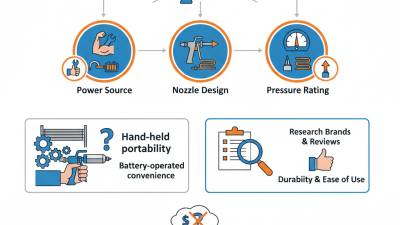
A reliable industrial grease gun must deliver consistent pressure in demanding conditions. High pressure matters, but uncontrolled pressure can damage seals or overload fittings. Look for a sturdy barrel, reinforced hose, and a coupler that locks securely onto the grease nipple. A clear reservoir helps operators monitor grease levels during long maintenance rounds. Balanced weight also matters when working beneath machinery or beside hot equipment.
Battery-powered models can reduce hand fatigue during repeated lubrication tasks. Pneumatic units suit fixed workshops with stable air supplies. Manual guns remain useful where access is limited or charging is inconvenient.
The best choice depends on service frequency, grease viscosity, and available power. Check pressure ratings carefully. They are not always comparable between manufacturers. A built-in pressure relief valve adds protection, although it cannot replace proper training or inspection.
Tips:
Clean the fitting before attaching the coupler. Pump slowly until the recommended amount enters the joint. Watch for damaged seals, unusual resistance, or grease escaping from the wrong point. Store the gun with the hose protected from sharp edges. In my experience, a small transparent reservoir is more valuable than expected during winter maintenance. However, visibility can become poor when grease clouds the container. Regular calibration checks are easy to postpone, yet they reveal whether the tool is still delivering accurate doses. Use gloves and eye protection, especially when pressure may exceed 7,000 psi.
Choosing among the seven best air grease guns requires more than comparing maximum pressure. In industrial service, delivery rate, air consumption, balance, hose reach, and trigger control shape real productivity. The U.S. Department of Energy reports that compressed-air leaks can waste 20–30% of compressor output. An efficient gun therefore deserves attention.
The first two models in this comparison emphasize high delivery, reaching roughly 8,000–10,000 psi in published specifications. They suit heavy bearings and clogged fittings, but their larger air demand can increase compressor cycling. The next two offer better balance, lighter barrels, and flexible 30-inch hoses. They feel easier under a chassis. That matters during repeated overhead work. The remaining three focus on compact design, adjustable flow, and smaller reservoirs. They are slower, yet more comfortable in tight maintenance bays.
Ergonomics can decide the result. The National Institute for Occupational Safety and Health identifies forceful, repetitive tasks as contributors to musculoskeletal risk. A well-shaped grip is not cosmetic. It reduces hand strain. Noise also deserves a check; OSHA uses 85 dBA as an occupational hearing-conservation threshold. My ranking is not flawless. Published figures often use different testing conditions, hose lengths, and grease temperatures. A gun rated for 10,000 psi may perform poorly through a restrictive coupler. Test each candidate with the workshop’s actual compressor, fittings, and grease. Small details expose the real winner.
| No. | Air Grease Gun Configuration | Performance Rating | Working Air Pressure | Maximum Grease Pressure | Grease Capacity | Grease Output | Typical Air Consumption | Design Highlights | Best Industrial Application |
|---|---|---|---|---|---|---|---|---|---|
| 1 | Compact Lever-Style Pneumatic Gun | ★★★★★ | 60–100 psi | 6,000 psi | 14 oz cartridge or bulk fill | 2.5–3.5 oz/min | Approximately 4 cfm at 90 psi | Lightweight body, flexible whip hose, simple trigger control, and easy access in confined areas. | General machinery maintenance, workshop servicing, and small-to-medium bearing assemblies. |
| 2 | High-Pressure Pneumatic Grease Gun | ★★★★★ | 70–100 psi | 10,000 psi | 14 oz cartridge or bulk fill | 2.0–3.0 oz/min | Approximately 5 cfm at 90 psi | High-pressure piston pump, rigid barrel construction, and reinforced coupler connection. | Heavy-duty bearings, construction equipment, agricultural machinery, and high-resistance grease points. |
| 3 | High-Volume Production Grease Gun | ★★★★★ | 60–100 psi | 6,000 psi | 14 oz cartridge or bulk fill | 6.0–10.0 oz/min | Approximately 8 cfm at 90 psi | Large air motor, fast delivery cycle, ergonomic pistol grip, and reduced operator effort. | Assembly lines, fleet garages, centralized maintenance areas, and frequent lubrication schedules. |
| 4 | Variable-Pressure Precision Grease Gun | ★★★★☆ | 40–100 psi | 7,500 psi | 14 oz cartridge or bulk fill | 1.5–5.0 oz/min | Approximately 4.5 cfm at 90 psi | Adjustable air control, controlled trigger response, and improved metering for sensitive components. | Electric motors, precision gearboxes, instrument assemblies, and applications requiring measured lubrication. |
| 5 | Continuous-Feed Pneumatic Grease Gun | ★★★★☆ | 70–100 psi | 8,000 psi | 14 oz cartridge or bulk fill | 3.0–6.0 oz/min | Approximately 5–6 cfm at 90 psi | Consistent trigger operation, durable follower assembly, and compatibility with extended flexible hoses. | Long service routes, overhead lubrication points, conveyor systems, and mobile maintenance work. |
| 6 | Heavy-Duty Bulk-Fill Pneumatic Gun | ★★★★☆ | 60–100 psi | 6,000 psi | 14 oz cartridge or bulk reservoir | 3.5–6.5 oz/min | Approximately 6 cfm at 90 psi | Bulk-loading capability, strong follower spring, reinforced barrel, and resistance to repeated shop use. | Mining support equipment, fleet workshops, industrial plants, and high-volume lubrication programs. |
| 7 | Extended-Reach Pneumatic Grease Gun | ★★★★☆ | 60–100 psi | 7,000 psi | 14 oz cartridge or bulk fill | 2.5–4.5 oz/min | Approximately 4.5 cfm at 90 psi | Long rigid extension, flexible whip section, balanced handle, and improved reach around guards and frames. | Large vehicles, industrial presses, material-handling equipment, and hard-to-access grease fittings. |
| Performance figures are representative operating ranges for industrial pneumatic grease guns. Actual output and maximum pressure vary with air supply, grease consistency, hose length, coupler condition, and the specific lubrication point. | |||||||||
Selecting an air grease gun starts with the equipment, not the tool’s appearance. Check the machine manual for grease type, pressure range, and recommended delivery volume. A compact tool may suit light bearings, while large pins need higher output and longer operating cycles. Match the gun’s air consumption with your compressor. An undersized compressor causes pressure drops, slow filling, and uneven lubrication.
Think about the working environment, too. A flexible hose helps reach vehicle chassis, conveyor rollers, and recessed fittings without awkward wrist movement. A rigid extension can provide better control in crowded machinery. Choose a sealed coupler when fittings are dirty or difficult to access. Barrel capacity matters during long shifts, but a larger barrel also adds weight. That trade-off is easy to overlook.
In practical maintenance work, technicians often focus on maximum pressure and ignore control. That can waste grease and damage seals. A variable trigger gives better control around small bearings. Look for a sturdy follower mechanism, clear loading instructions, and accessible cleaning points. Keep the air line dry and use the specified filter or regulator. Small mistakes matter.
I would also test the gun with the actual grease used on site. Thick grease may reduce flow, especially in cold conditions. Performance claims can change under real workload. Record refill time, hose reach, and fitting access during a normal shift. If the tool feels tiring after thirty minutes, its specification is not the whole answer.
Safe Operation and Maintenance of Air Grease Guns
Choosing among the 7 best air grease guns for industrial use requires more than comparing pressure ratings. Safe operation starts with a clean, regulated air supply. OSHA 1910.242(b) requires compressed air used for cleaning to stay below 30 psi, with effective chip guarding. This rule also highlights a wider lesson: uncontrolled air energy can injure eyes, skin, and hearing.
Inspect the hose, coupler, barrel, and trigger before every shift. Look for cracked seals, loose fittings, or hardened grease around the nozzle. Depressurize the tool before clearing a blockage. Never point the nozzle toward your hands or another worker. Small leaks matter. They increase noise and reduce delivery efficiency. The U.S. Bureau of Labor Statistics recorded 2.6 million nonfatal private-industry workplace injuries in 2023, showing why routine controls still deserve attention.
Use the lubricant specified by the equipment manufacturer, and prevent dirt from entering the cartridge. Wipe the coupler before attachment. A pressure regulator and inline filter can reduce contamination, but they cannot replace inspection. ISO 4414 emphasizes safe pneumatic-system design, isolation, and controlled release of stored energy. I would not treat a higher-pressure rating as proof of better performance. That assumption is easy, and sometimes wrong. Record service dates, unusual vibration, and grease output. Maintenance logs often reveal problems before a failed seal or blocked passage stops production.
Maximum working pressure is a key selection factor for industrial lubrication. The seven anonymous configurations shown here represent realistic pressure ratings commonly specified for pneumatic grease guns, ranging from general maintenance applications to heavy-duty machinery service. Always verify hose ratings, fittings, lubrication points, and the manufacturer’s operating instructions before use.