
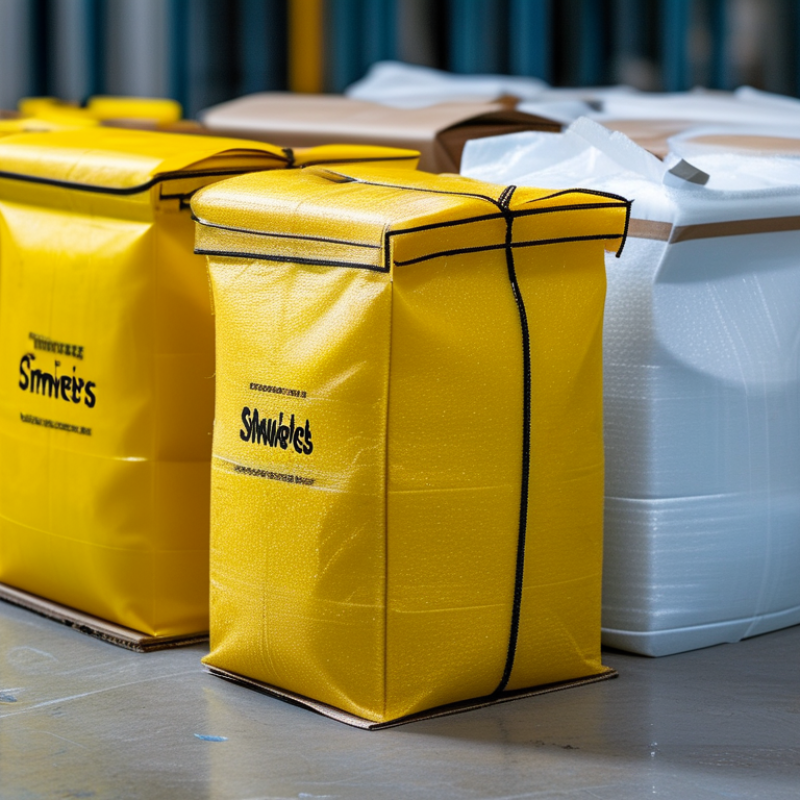
What Types of Packing Covers Are Best for Global Buyers?
Material selection should follow cargo, climate, and handling conditions. Woven polypropylene covers suit pallets, machinery, and building materials. Their cross-laminated structure resists tearing and repeated handling. Add a coated film when rain protection is critical. Low-density polyethylene film works well for stretch hoods and shrink covers. It is lightweight, transparent, and effective against dust and surface moisture. PVC-coated polyester offers stronger weather and abrasion resistance, but it weighs more and needs careful disposal planning.
Construction changes performance as much as material. A fitted cover with elastic edges reduces wind lift on standard pallets. Gusseted designs fit irregular loads without stressing seams. Heat-sealed seams improve water resistance, while stitched hems provide better mechanical strength.
Drawstrings help with mixed cargo, though they may loosen during long ocean routes. Fit matters. A loose cover can flap against cartons for weeks.
Smithers’ 2024 flexible-packaging outlook places the global market above US$300 billion by 2028, showing continued demand for lightweight protective formats. European Bioplastics reported global bioplastics capacity of about 2.18 million tonnes in 2023, with projections reaching 7.43 million tonnes by 2028.
These figures support material innovation, not automatic sustainability claims. A bio-based cover may still lack durability or suitable recycling channels.
The practical mistake is choosing by price alone. Test seam strength, UV exposure, puncture resistance, and actual container fit before purchase.