Choosing cast iron valves for global sourcing requires more than comparing unit prices.
A low quotation may exclude coating, inspection, packaging, inland transport, or port handling. I once evaluated a shipment that looked inexpensive until storage fees and damaged pallets changed the calculation. The real figure is landed cost. Build it carefully.
Ask suppliers for material certificates, pressure-test records, dimensional reports, and coating details.
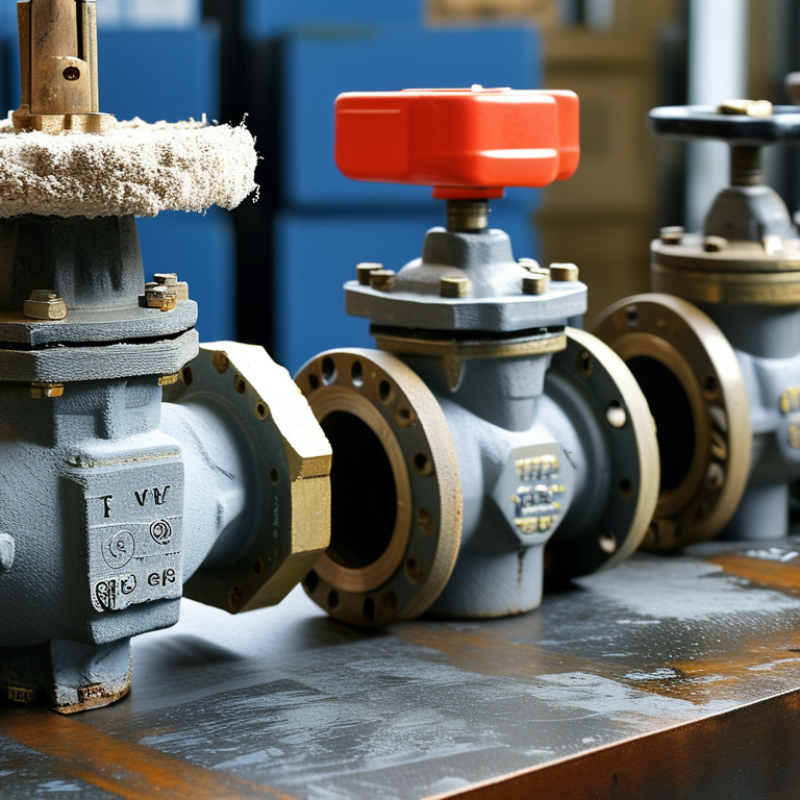
Confirm whether each valve suits the fluid, temperature, pressure, and installation environment. Cast iron can perform reliably, but poor corrosion protection can shorten service life. Independent inspections add expense, yet they may prevent costly field replacements. A spreadsheet can still mislead.
Logistics deserve equal attention.
Check production capacity, lead times, export packing, container utilization, and access to replacement parts. Standardized dimensions can simplify future purchasing. Keep approved drawings and inspection criteria under document control.
I prefer suppliers that explain a failed test openly and show corrective action. That evidence is more useful than polished promises.
Do not ignore communication gaps. Time-zone delays and unclear technical terms can stop a project quietly. Long-term reliability comes from repeatable processes, verified quality, realistic schedules, and honest review of past performance. Some assumptions will be wrong. Recheck them before placing the order.