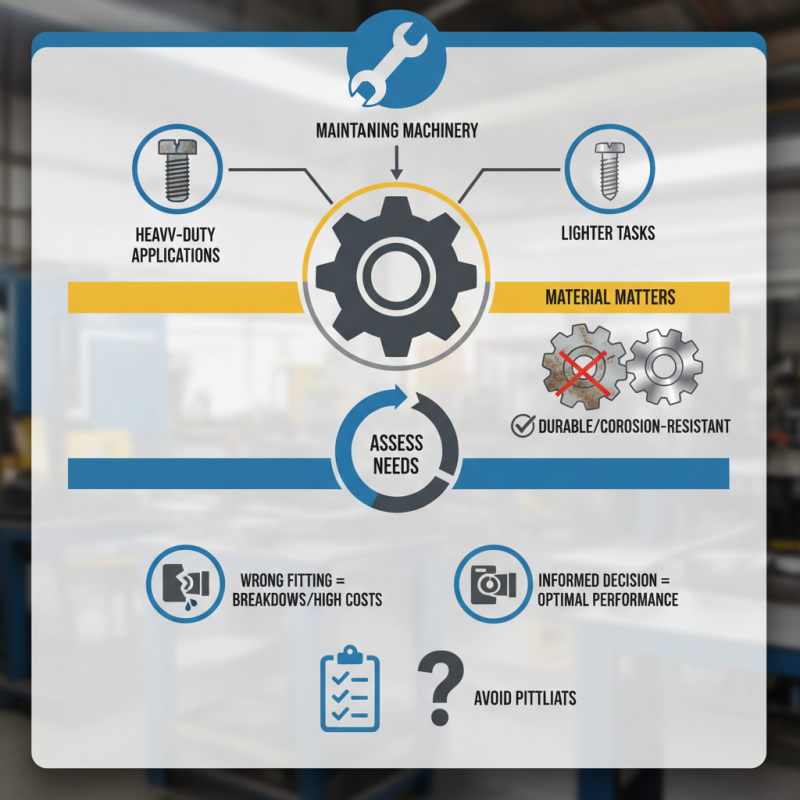
Choosing the right grease fittings is essential for maintaining machinery and ensuring optimal performance. Grease fittings come in various types and sizes, each suited to specific applications. Understanding these differences is crucial for anyone involved in maintenance or repair work.
When selecting grease fittings, consider the environment where they will be used. Some fittings are designed for heavy-duty applications, while others are meant for lighter tasks. The material of the fittings also matters; durable materials resist wear and corrosion. This choice affects the longevity of your equipment.
It’s important to reflect on your specific needs. Often, people overlook the significance of grease fittings in their maintenance strategy. Choosing the wrong fitting can lead to frequent breakdowns and higher costs. Take the time to assess your machinery's requirements. Make informed decisions to avoid common pitfalls associated with grease fittings.
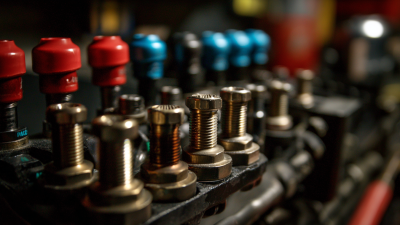
When selecting grease fittings, understanding their types and applications is crucial. There are mainly two common types:
standard and specialty fittings.
Standard fittings like zerk are widely used in machinery for regular lubrication. They provide a reliable solution for many applications.
Specialty fittings, on the other hand, cater to unique environments. For instance, some are designed for high-pressure systems, while others work better in extreme temperatures.
Tips: Always consider the operation environment. If a fitting is exposed to harsh conditions, it may require a unique design. This can prolong the life of equipment and enhance its performance.
Furthermore, pay attention to the grease compatibility. Not all greases work well with every fitting. Incompatible grease can harm machinery and lead to failures. Checking specifications is always wise.
Tips: Keeping a record of lubricant types used is beneficial. This practice helps in preventing costly mistakes. Also, regularly inspect fittings for wear and tear. Maintaining their functionality ensures efficient lubrication and operational safety.
Selecting the right grease fittings for your machinery is crucial. It impacts the efficiency and longevity of your equipment. Different machines have unique requirements, making it essential to consider specific factors before making your choice.
One key aspect is the operating environment. For outdoor machinery, choose fittings that withstand weather and contaminants. Indoor machines might have different needs. Pay attention to pressure ratings as well. Not all machinery faces the same pressure levels.
Tips: Always refer to the machinery's manual. It provides specific guidelines on compatible fittings. Another tip is to consider ease of access. Hard-to-reach areas can complicate maintenance.
In addition, material quality matters. Stainless steel is often preferred for durability. However, it's essential to assess the compatibility with the grease used. This decision might seem minor but can lead to issues down the line if overlooked.
When unsure, consult with a professional. Their expertise can direct you toward a suitable solution. Don't rush the selection process. Each machine has unique needs that warrant careful consideration.
When selecting grease fittings, the material is crucial. The right material ensures durability and longevity. Common materials include steel, stainless steel, and plastic. Steel fittings are strong but may corrode over time. Stainless steel offers better resistance to corrosion but can be more expensive. Plastic fittings are lightweight and resistant to chemicals but may not handle high pressure well.
Considering operating conditions is essential. For high-pressure applications, robust materials are a must. In lower pressure settings, lighter materials might suffice. It's important to evaluate the environment. Exposure to moisture and chemicals can degrade certain materials faster than expected. Choose a fitting that suits your specific needs to avoid issues down the line.
The impact of material choice can be significant. A poor selection can lead to frequent replacements. This not only increases costs but also downtime. Reflecting on past experiences can help inform better choices. Assess what has worked before and what hasn’t. Prioritize materials that enhance reliability and performance in your applications.
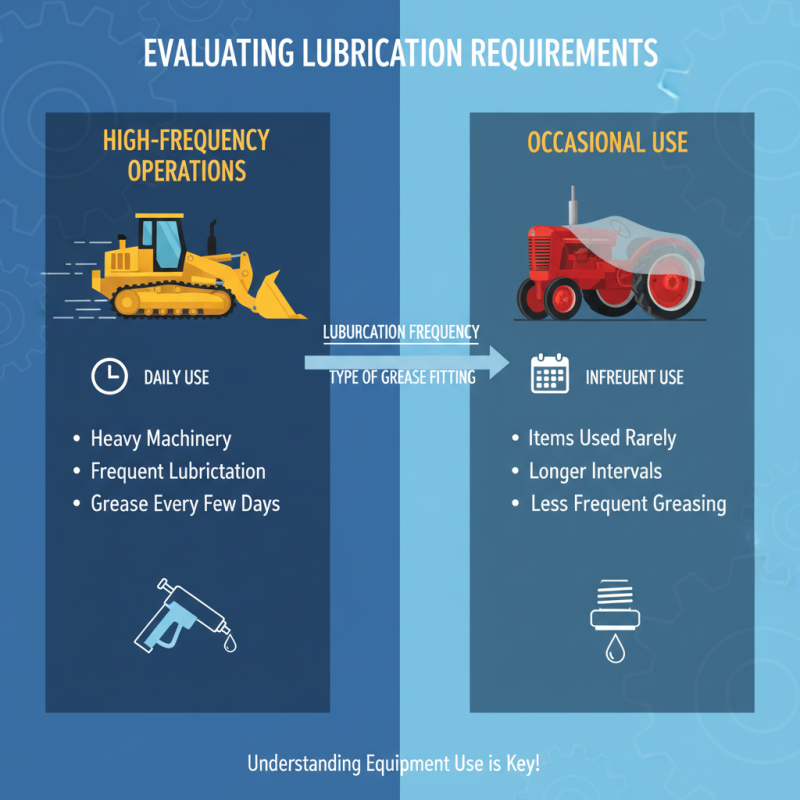
When selecting grease fittings, understanding lubrication requirements is essential. Evaluate how often your equipment runs. High-frequency operations need more regular lubrication. For example, heavy machinery working daily requires grease every few days. In contrast, items used occasionally can tolerate longer intervals. This distinction shapes your choice of fittings.
The type of grease is equally important. Different applications require different grease types. For instance, high-temperature operations may need specialized grease to withstand extreme conditions. Some industries favor biodegradable options. An incorrect choice can lead to machinery breakdowns. It's crucial to be aware of these factors to ensure equipment longevity.
Periodic assessment of lubrication needs should not be overlooked. Conditions can change. Fluidity, temperature, and even environmental factors affect grease performance. Sometimes, fitting the same grease for years creates problems. Regularly review your lubrication schedule to avoid costly errors.
When selecting grease fittings, understanding industry standards is crucial. Grease fittings come in various sizes and styles. They must meet specific dimensions and specifications outlined by industry organizations. These standards ensure compatibility with tools and equipment.
For example, a common standard is the SAE (Society of Automotive Engineers) specification. It defines the measurements for different types of fittings. This specification helps in selecting the right fitting for wheel bearings or other machinery. Ignoring these standards could lead to improper fitting and, ultimately, equipment failure.
Additionally, it's important to consider material quality. Zinc-coated fittings resist corrosion, while stainless steel fittings offer durability. Choosing the wrong material can compromise the fitting's performance. It's necessary to reflect on application conditions: temperature, exposure to elements, and lubrication type. Evaluating these factors thoughtfully helps in making informed decisions.