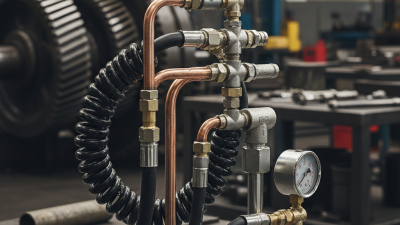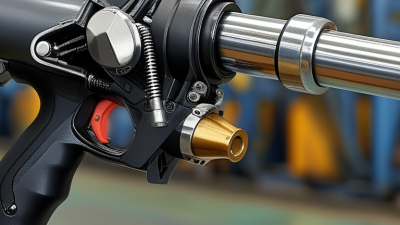
Choosing the right grease gun coupler is a small decision with serious maintenance consequences. A coupler connects the grease gun to the fitting, but it also controls pressure, access, cleanliness, and operator safety. A poor match may leak around a clogged zer k fitting. It may also detach under pressure, leaving grease on the machine instead of inside the bearing.
Industry data supports careful lubrication practice. The U.S. Department of Energy’s Operations & Maintenance Best Practices guide reports that effective maintenance can often reduce energy use by 5–20 percent. Its guidance does not focus specifically on couplers, yet it reinforces a practical point: small maintenance tools can influence equipment efficiency and reliability. SKF’s bearing maintenance resources also identify contamination, insufficient lubrication, and incorrect lubrication as major causes of bearing damage. The coupler is only one part of that system. Still, it is the operator’s direct connection to the grease point.
This guide examines jaw, lock-on, hydraulic, and quick-release designs. It considers working pressure, fitting compatibility, sealing performance, hose flexibility, and release safety. A lock-on coupler may suit routine fleet servicing. A slim hydraulic coupler may reach recessed fittings more effectively. Some models look impressive but feel awkward after fifty grease points. That matters.
There is no universal winner. Real workshops are less tidy than product pages suggest. Dirt, worn fittings, cold grease, and limited access can expose weaknesses quickly. Therefore, the best grease gun coupler should match the equipment, lubricant, service pressure, and technician’s working habits—not merely the highest advertised rating.
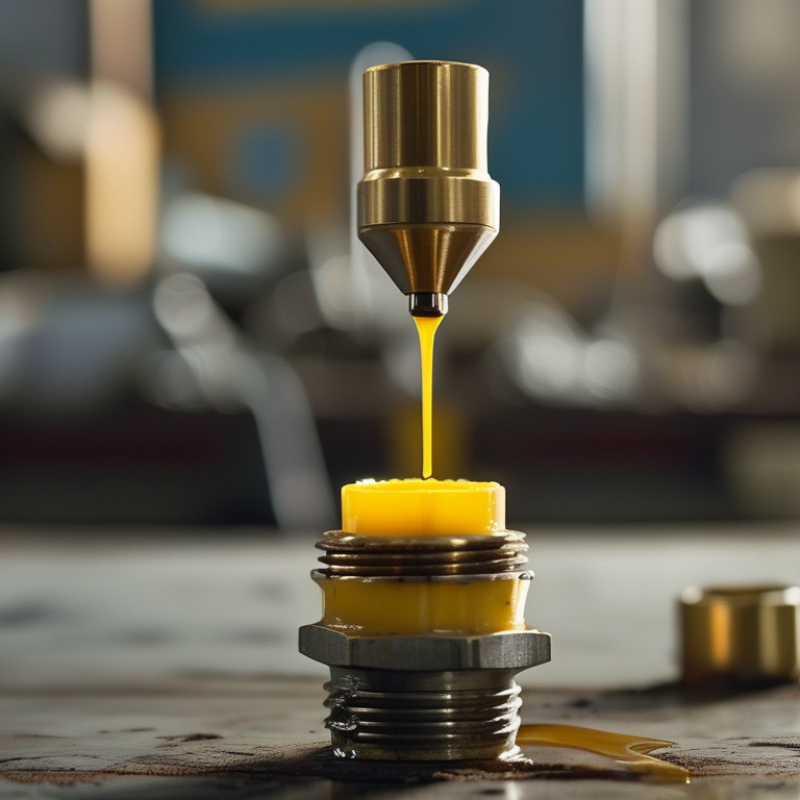
A grease gun coupler is the small fitting that connects the gun’s hose to a machine’s grease nipple. It grips the nipple, seals the contact point, and transfers grease under pressure. When the gun handle moves, the plunger pushes grease through the hose. Internal jaws hold the coupler in place. Releasing the pressure allows the jaws to disengage.
This simple part affects lubrication quality more than many users expect. Industry maintenance studies commonly associate about 40% of bearing failures with lubrication problems, including contamination, incorrect quantity, and poor delivery. Guidance from the U.S. Department of Energy also identifies proper lubrication as a key factor in equipment reliability. A coupler that leaks can waste grease and hide whether the bearing received enough lubricant. Too much pressure may also damage seals.
Tips: Match the coupler to the nipple size and working pressure. A standard coupler suits routine servicing, while a locking or 90-degree design helps in crowded areas. Clean the nipple before connection. Keep the hose straight, and stop pumping if the seal slips. Experience matters here, but it is not perfect. Some couplers feel secure while still leaking. Check the fitting after every service, especially around dusty machinery. Choose a durable steel body, replaceable seals, and a release sleeve that works with greasy gloves. Reported pressure ratings are useful, but real performance depends on hose condition and operator technique.
Grease gun couplers vary by fitting design, locking method, and working angle. The standard four-jaw coupler fits many common Zerk fittings. It is affordable and easy to replace, but it may loosen under pressure. A locking coupler uses a sleeve to grip the fitting firmly. This helps during one-handed servicing, especially beneath vehicles or machinery. However, releasing it before pressure drops can damage the fitting.
Hydraulic couplers are built for higher-pressure lubrication systems. Their narrow opening connects tightly with compatible fittings, reducing grease leakage. Push-to-connect couplers save time because they attach with less twisting. Needle-point adapters suit recessed or flush fittings, while button-head couplers serve heavy equipment with larger fittings. Swivel and angled couplers improve access around tight joints. A quick-disconnect style can also reduce hose strain, though compatibility must be checked carefully. Small differences matter.
Choosing the best grease gun coupler starts with the grease fitting, not the gun. NLGI’s 2023 Grease Production Survey recorded approximately 2.6 million metric tonnes of grease worldwide. That volume reflects many maintenance conditions, from clean workshops to dusty construction sites. Fittings are not universal. Check the fitting’s profile, thread, diameter, and access angle before selecting a coupler.
Standard four-jaw couplers suit common hydraulic fittings identified by SAE J534 or DIN 71412. They should lock firmly without excessive force. Button-head fittings need a wider coupler with a larger sealing face. Needle fittings require a needle-point adapter for recessed lubrication ports. A 90-degree or flexible coupler can reach fittings behind guards, but poor alignment may damage the seal. Measure first. Guessing gets expensive.
A locked coupler is not always a correct match. If grease leaks around the fitting, inspect wear, pressure, and alignment. SKF maintenance guidance has repeatedly linked inadequate lubrication to roughly one-third of bearing failures, although field conditions vary. That figure deserves caution, not blind acceptance. In practice, I test the coupler by hand, apply low pressure, and watch the seal. If the fitting bends, the coupler is wrong. If the hose twists, the access angle needs reconsideration. Small details matter.
A grease gun coupler performs well when its jaws grip firmly without damaging the fitting. The locking sleeve should move smoothly and resist accidental release under pressure. A reliable coupler also needs a precise seal. Poor sealing wastes grease and leaves the fitting dirty. Small leaks become expensive over time.
Material choice strongly affects durability. Hardened steel jaws usually withstand repeated connection cycles better than soft alloys. Corrosion-resistant surfaces matter in workshops exposed to water, dust, and temperature changes. A swivel head can reduce hose twisting and improve access around machinery. It should rotate freely, but not feel loose. That balance is easy to overlook.
Pressure capability is another key feature. Check the working pressure, not only the advertised maximum. A safety margin helps prevent sudden seal failure during stubborn applications. The handle should provide enough grip for oily gloves. I have seen operators choose compact couplers that look convenient, then struggle with stiff fittings. Smaller is not always better. Compatibility also deserves attention. Verify the coupler matches the grease fitting size and gun connection. Even a well-made design performs poorly when the fit is wrong. Test the release mechanism before regular use, because convenience can hide weak internal parts.
| Selection Dimension | Recommended Specification or Data | Effect on Performance | Effect on Durability | What to Verify Before Purchase |
|---|---|---|---|---|
| Maximum working pressure | Choose a coupler with a published working pressure of at least 10,000 psi (690 bar) for demanding manual-greasing applications. The rating must not be lower than the grease gun or hose rating. | Reduces the risk of leakage or uncoupling when high pressure is required to clear blocked grease passages. | Higher-rated components generally provide a greater safety margin, provided all connected components have compatible ratings. | Check the marked working-pressure rating, test standard, and whether the rating applies to continuous use or short-duration peak pressure. |
| Coupling mechanism | A four-jaw coupler is suitable for common grease fittings. A lock-on sleeve is preferable when hands-free operation and a secure connection are important. | A secure lock minimizes movement, pressure loss, and accidental release during pumping. | A robust locking mechanism reduces jaw deformation caused by repeated side loading. | Confirm that the mechanism releases without twisting the coupler and that it is compatible with the grease fitting profile. |
| Jaw construction | Look for hardened steel jaws with accurate machining and spring-assisted positioning. | Maintains contact with the fitting and helps prevent grease escaping around the connection. | Hardened jaws resist spreading, wear, and deformation during repeated high-pressure cycles. | Inspect the jaw edges, spring retention, surface finish, and replacement-jaw availability. |
| Seal material | Use oil- and grease-resistant elastomer seals. Nitrile seals are common; other materials may be needed for higher temperatures or special lubricants. | A compatible seal maintains pressure and prevents contamination from entering the coupler. | Correct material selection reduces swelling, hardening, cracking, and premature leakage. | Compare the seal material with the grease type, operating temperature, and exposure to water or chemicals. |
| Thread connection | A 1/8-inch NPT connection is common on grease-gun accessories, but thread size and standard must be matched exactly. | Correct threads provide a reliable fluid path and reduce pressure loss at the hose connection. | Proper thread engagement prevents cross-threading, loosening, and damage to the accessory or hose. | Verify thread type, nominal size, engagement length, and whether a swivel or adapter is required. |
| Swivel function | A 360-degree swivel is useful for moving around machinery and reducing hose twist. | Improves access to fittings and helps keep the coupler aligned with the fitting. | Limits torsional stress on the hose, coupler body, and fitting connection. | Check the swivel's pressure rating, rotational smoothness, seal design, and resistance to side loading. |
| Body material | Steel is preferred for high-load work. Corrosion-resistant finishes are valuable in wet, outdoor, or washdown environments. | A rigid body helps maintain alignment between the coupler and the grease fitting. | Strong steel construction resists impact, fatigue, and deformation; protective coatings reduce surface corrosion. | Look for material details, coating information, machining quality, and protection against rust. |
| Fitting compatibility | Confirm compatibility with the common hydraulic grease fittings used on the equipment. Specialty fittings may require a dedicated coupler. | Proper compatibility ensures full contact, consistent grease delivery, and easier disconnection. | Prevents damage to fitting balls, jaws, and seals caused by forced or misaligned connections. | Test the coupler on clean, undamaged fittings before applying full pressure. |
| Leak resistance | The coupler should maintain a dry connection without visible grease leakage during normal pumping. | Reduces grease waste and helps deliver the intended lubricant quantity to the bearing. | Less leakage limits contamination, seal wear, and repeated retightening of threaded joints. | Inspect seals and jaws, keep the fitting clean, and check for leakage at low pressure before full operation. |
| Operating temperature | Select a coupler whose published temperature range covers the working environment and lubricant requirements. | Appropriate temperature performance keeps seals flexible and preserves reliable coupling. | Reduces seal hardening at low temperatures and softening or degradation at high temperatures. | Review the manufacturer's temperature limits rather than assuming all couplers use the same seal compound. |
| Serviceability | Prefer designs with replaceable jaws, springs, seals, and locking components. | Restored components help maintain pressure retention and coupling reliability over time. | Replaceable wear parts can extend service life and reduce the need to replace the complete coupler. | Check the availability of repair kits, replacement intervals, cleaning instructions, and service documentation. |
| Ease of release | Choose a coupler that can be released safely after pressure is relieved, without excessive pulling or twisting. | Simplifies maintenance and reduces downtime during frequent lubrication cycles. | Minimizes damage to the coupler jaws and grease fitting caused by forced removal. | Never force a pressurized connection; verify that the coupler can be unloaded or disconnected according to the operating procedure. |
| Overall application fit | For routine maintenance, use a standard four-jaw coupler. For high-pressure, frequent, or difficult-access work, prioritize a lock-on design with a swivel and replaceable wear parts. | Matching the coupler to the task improves grease delivery, access, and operator control. | The correct design reduces misuse, side loading, premature wear, and unplanned replacement. | Evaluate pressure, fitting type, access limitations, operating environment, service frequency, and total maintenance cost. |
Selection note: Pressure ratings, temperature limits, thread dimensions, and replacement-part availability vary by model. Always verify the published specifications and ensure that the coupler, hose, grease gun, and fitting are rated as a compatible system.
Choosing a grease gun coupler starts with the fitting, pressure, and working space.
Match the coupler’s pressure rating to the grease gun, not only the machine. NLGI’s 2023 Global Grease Production Survey recorded approximately 2.6 billion pounds of grease production worldwide, showing how widely grease lubrication is used. Yet more grease does not mean better protection. Select a standard coupler for accessible fittings, a flexible extension for awkward angles, or a locking design when repeated pumping causes hand fatigue. Check thread size carefully. A small mismatch can damage the fitting.
Use the coupler straight onto the fitting. Wipe away dust first. Press firmly, then pump slowly until the specified amount enters. Do not force a blocked fitting. Excessive pressure can damage seals or push contaminants deeper. The U.S. Department of Energy’s Operations and Maintenance Best Practices Guide identifies lubrication control as a practical maintenance opportunity, but real results depend on clean tools and correct intervals. I once treated a leaking coupler as a minor nuisance. It was actually losing grease before the bearing received enough lubricant.
Maintenance should be simple and visible. Clean the coupler after each shift, inspect jaws for wear, and replace damaged seals promptly. Store it capped and away from metal dust. ISO 6743-9 helps classify grease types, but compatibility still requires checking the equipment manual. Couplers are not universal. That assumption is costly. Record the fitting, grease type, quantity, and date; incomplete records make even good maintenance difficult to trust.