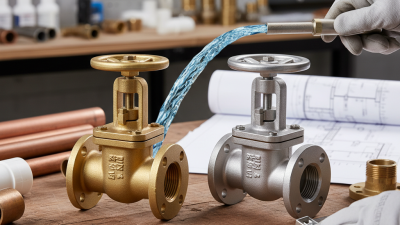
Choosing the right 4 inch gate valve is critical for ensuring optimal performance in various plumbing and industrial applications. According to the Global Valve Market Report, the gate valve segment is projected to grow significantly, driven by its reliable and efficient operation. A 4 inch gate valve provides robust isolation and is often used in water supply systems, oil and gas pipelines, and manufacturing processes.
However, selecting the right valve can be challenging. Not all 4 inch gate valves are created equal. Differences in materials, design, and pressure ratings can affect performance and longevity. Technical specifications often vary by manufacturer. It's essential to understand these nuances to avoid costly mistakes.
In addition, user feedback indicates many people overlook critical details when purchasing valve components. Understanding the intended application is vital. Some may prioritize cost over quality, leading to future failures. Investing time in research can lead to better long-term decisions. In the ever-evolving industrial landscape, this informed approach is needed more than ever.

When selecting a 4-inch gate valve, it’s essential to understand its basic function. Gate valves control the flow of liquids and gases in pipes. They are designed for full flow with minimal pressure drop. When fully open, they allow unrestricted passage. This is crucial in applications where fluid dynamics matter.
Consider the material of the valve. Common materials include brass, cast iron, and stainless steel. Each material has its advantages. For instance, stainless steel is resistant to corrosion and suitable for high-pressure systems. However, it can be more expensive. Cast iron is excellent for low-pressure applications but may not hold up in harsher environments.
Tips: Always check the pressure rating. Ensure it meets your system requirements. If you’re unsure, consult with a professional. Don't overlook the valve's operating mechanism. Manual and automated versions are available. Each has its place depending on your needs.
Also, factor in the valve's size and dimensions. Although it is a 4-inch valve, the overall dimensions and flange ratings can vary. Ensure compatibility with existing piping systems to avoid leaks. In choosing wisely, you’ll enhance the effectiveness of your fluid management system.

When selecting the right 4-inch gate valve, several key factors are essential for effective decision-making. Start by evaluating the valve's materials. Common choices include cast iron, stainless steel, and plastics. Each material offers unique advantages depending on the application. According to industry reports, stainless steel valves often provide superior corrosion resistance, making them ideal for harsh environments.
Another critical consideration is the valve's pressure rating. Most gate valves are rated based on their maximum allowed working pressure. A mismatched rating can lead to failures. Reports indicate that over 60% of valve-related issues arise from improper specifications. Therefore, ensure that your chosen valve meets your system’s pressure requirements.
Tips: Always conduct a thorough inspection of the valve before purchase. Look for signs of wear or defects. Consider the manufacturer's certifications. Reliable manufacturers adhere to industry standards, ensuring durability. Also, think about future maintenance needs. Some designs may complicate routine checks.
Understanding your specific application also plays a role. For example, if you're operating in a high-temperature environment, thermal expansion could be a concern. Not all gates handle heat well. An informed choice considers where and how the valve will be used. Keeping these aspects in mind helps ensure a reliable and efficient installation.
When selecting a 4-inch gate valve, the material and construction type play crucial roles. Common materials include stainless steel, brass, and cast iron. Stainless steel is known for its corrosion resistance, making it ideal for harsh environments. Brass offers good durability and is often used in plumbing systems. Cast iron is robust and works well in industrial settings but can corrode over time if not properly maintained.
Construction types also vary. Some valves feature a solid wedge; others have a flexible wedge design. A solid wedge typically provides a better seal but may not handle thermal expansion well. A flexible wedge allows for better adaptability but might compromise sealing under certain conditions.
Tip: Always consider the environment where the gate valve will be used. Extreme temperatures and corrosive substances can affect longevity.
Choose valves with appropriate pressure ratings. Check specifications to avoid overloading your system. An improperly rated valve can lead to leaks or failures.
Tip: At times, it’s worthwhile to look for user reviews or expert recommendations. Personal experiences can reveal potential flaws that specifications miss.
| Material | Construction Type | Pressure Rating (PSI) | Temperature Range (°F) | Common Applications |
|---|---|---|---|---|
| Cast Iron | Threaded | 150 | 32 to 200 | Water Supply |
| Stainless Steel | Welded | 300 | 0 to 400 | Chemical Processing |
| Bronze | Flanged | 200 | 32 to 250 | Marine Applications |
| PVC | Socket | 150 | 32 to 140 | Irrigation |
| Ductile Iron | Lugged | 250 | 32 to 350 | Municipal Water Systems |
4-inch gate valves are vital components in many industries. They control the flow of fluids in pipelines. Applications vary widely, including water management, oil and gas, and power generation. According to a report by Grand View Research, the global valve market is expected to reach $106.5 billion by 2025. This growth highlights the increasing demand for efficient flow control.
In water treatment plants, 4-inch gate valves manage the flow efficiently. These valves are preferred for their durability and low-pressure drop. In the oil and gas sector, they handle high-pressure operations. Some facilities may face challenges with corrosion, affecting valve life. Regular maintenance and inspections are crucial.
**Tips:** Choose valves made from corrosion-resistant materials for added longevity. Ensure that the sizing matches your system requirements to avoid flow issues. Proper installation is critical; incorrect placement can lead to significant leaks or inefficiencies. Implementing these practices can enhance the lifespan and performance of your valves.
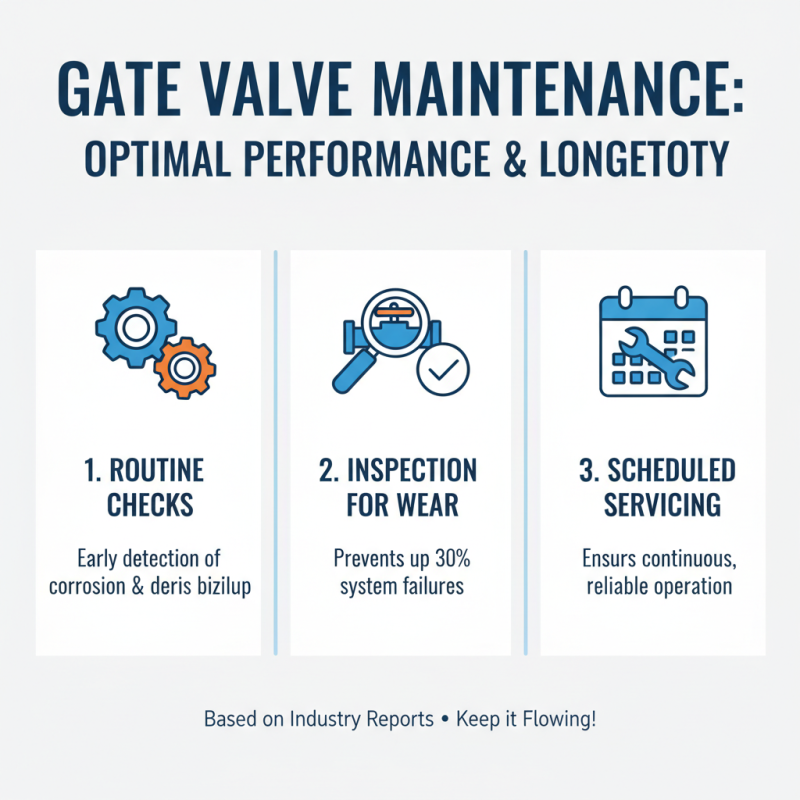
Regular maintenance of gate valves is crucial. This ensures optimal performance and longevity. According to industry reports, neglecting maintenance can lead to valve failures in up to 30% of systems. Routine checks allow for early detection of issues such as corrosion or debris buildup.
Cleaning valve seats and checking for leaks can prevent larger, costly repairs. Many experts recommend inspecting gate valves semi-annually. This frequency is vital, especially in high-pressure systems. Lubrication of the valve stem is also essential to maintain smooth operation.
Data shows that improper maintenance can lead to inefficient flow rates. A 20% decrease in performance can occur when valves are not functioning correctly. Operators should use proper techniques and tools for upkeep. Small actions can lead to significant improvements in system reliability. Adaptation to changing conditions of use may also be necessary for optimum performance.