Choosing the right grease pump is not simply a matter of selecting the largest model. The correct choice depends on grease consistency, delivery volume, operating pressure, and working conditions. A pump used for a small workshop cannot automatically serve a mining machine or an automated production line.
Jim Fitch, co-founder of Noria Corporation and a respected lubrication specialist, has said, “Lubrication is not a product; it is a process.” This idea is important when evaluating a grease pump. The equipment must deliver the correct amount of grease at the correct interval. Otherwise, bearings may run dry, seals may become overloaded, or valuable lubricant may be wasted.
Start with the application. A manual grease pump may suit occasional maintenance on tractors, hinges, or compact machinery. It is simple, affordable, and easy to carry. Pneumatic and electric pumps are better for frequent servicing, long hose runs, or multiple lubrication points. Check the required pressure carefully. Thick NLGI 2 grease can behave very differently from softer grease in cold weather.
Small details matter. Look at the drum size, hose length, coupler design, relief valve, and seal quality. Confirm that the pump matches the grease cartridge or bulk container used by your team. One overlooked fitting can stop the entire job.
There is no perfect pump. That is worth remembering. A powerful model may be unnecessary, while a cheaper model may fail under continuous use. Consider maintenance records, operator experience, and future workload before deciding. The best grease pump is the one that delivers reliable lubrication without creating extra complexity.
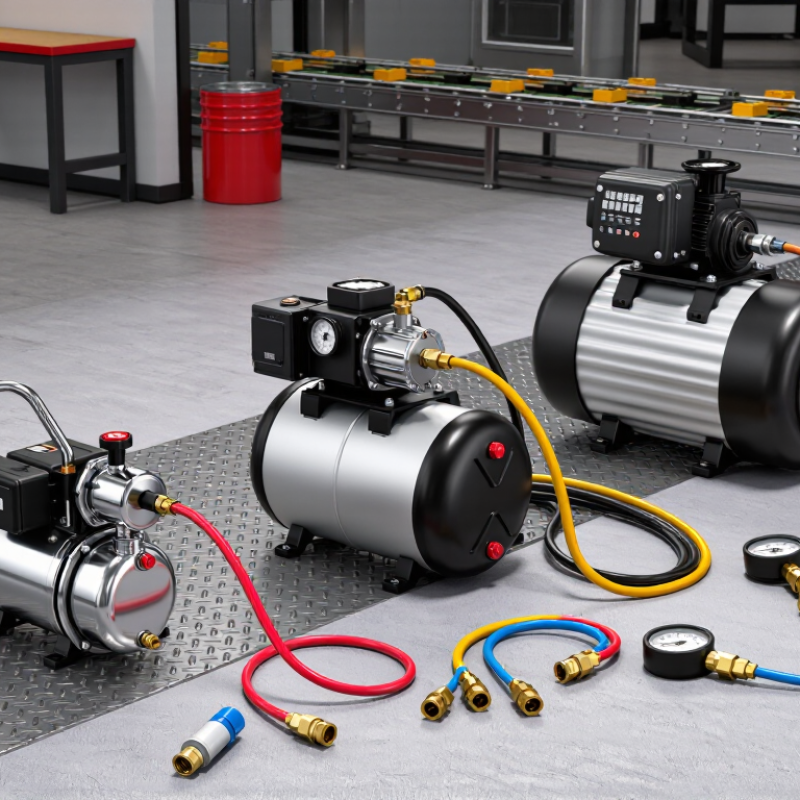
Pump selection starts with the grease, not the catalog. Record its NLGI grade, base oil, operating temperature, and seal compatibility. A grease that feels suitable by hand may stiffen near a cold machine. Check the lowest and highest temperatures at each lubrication point. Then confirm the required pressure. Long tubing, narrow fittings, and blocked passages can increase resistance. Use equipment manuals and measured data whenever possible. Guessing here is expensive.
List every lubrication point and note its required grease quantity. A small bearing may need only a few grams, while a large pin joint needs much more. Record the application frequency, daily operating hours, and total number of points. These details help determine the pump’s delivery rate and reservoir capacity. Do not choose capacity by appearance alone. A compact pump can still meet demand if its output matches the system.
Field conditions also shape the choice. Dust, water, vibration, and limited access may require stronger protection and dependable connections. Decide whether manual operation is practical or whether automatic delivery is necessary. I once underestimated line length, and the pump worked harder than expected. That mistake changed my inspection routine. I now measure tubing runs and verify actual output before final selection. The calculation may look correct, but real resistance can expose weak assumptions.

Choosing the right grease pump starts with understanding how it will operate in the field. Manual lever pumps are simple, portable, and useful for occasional maintenance. They work well where power is unavailable. However, they require physical effort and deliver grease slowly. I have used them on compact machinery, and accurate pressure control can take practice.
Pneumatic pumps suit workshops with compressed air and frequent lubrication tasks. They provide steady output and reduce operator fatigue. Their performance depends on clean, dry air and a correctly adjusted regulator. Electric pumps offer consistent delivery for fixed systems or repeated service points. Battery-powered models improve mobility, but charging time and battery temperature can affect reliability. Small pumps are easier to carry. Large pumps support higher volumes but become awkward in tight spaces.
Grease viscosity also changes the choice. Thick grease may need stronger pressure and larger hoses. Long hose runs can increase resistance and waste time. Check the pump’s pressure rating, reservoir size, fitting compatibility, and expected duty cycle before purchase. A pressure gauge helps reveal blocked passages instead of forcing grease into damaged seals. I once underestimated hose length during a maintenance setup, causing slower delivery than expected. That mistake showed me that operating conditions matter as much as pump specifications. Cleaning the coupler after use also prevents grit from entering the lubrication point.
Choosing a grease pump starts with matching pressure and flow to your equipment. Pressure must overcome grease resistance, hose length, fittings, and bearing seals. A pump with low pressure may leave lubricant short of the target point. Excessive pressure can damage seals or force grease through unwanted paths. Check the equipment manual for the required pressure range and grease volume. Then compare those figures with the pump’s tested output.
Flow rate affects working speed, not lubrication quality alone. High flow suits large bearings or frequent maintenance, while controlled flow helps prevent over-greasing. Thick grease moves slowly, especially in cold workshops. Long hoses create additional resistance.
I once focused too much on maximum pressure and overlooked flow consistency. That mistake made the job slower than expected. Real conditions matter more than a catalog number.
Tips: Measure hose length, fitting size, grease type, and ambient temperature before selecting a pump. Choose a model with a pressure gauge and a relief valve for safer control. Test the pump on one lubrication point first. Watch for pressure spikes, uneven delivery, or leaking seals. Keep records of pressure and grease volume during servicing. Small changes in temperature can alter performance. If the required figures remain unclear, consult a qualified maintenance technician and verify the equipment documentation.
Choosing a grease pump starts with matching capacity to the job, not choosing the largest model. NLGI’s 2023 Grease Production Survey reported roughly 2.5 billion pounds of grease production worldwide. That scale reflects how varied lubrication work has become. A small workshop may need a compact 400-gram cartridge pump. A maintenance crew servicing large bearings may require a 20-kilogram reservoir.
Capacity affects more than refill frequency. A larger reservoir reduces interruptions but adds weight and handling effort. Check the grease volume needed per service cycle. Then allow practical space for seals, gloves, and cleaning tools. In my experience, an oversized pump often stays unused because it is uncomfortable to carry.
Portability matters on ladders, inside machinery rooms, and across uneven floors. Look for a balanced handle, secure hose storage, and a flexible hose that reaches fittings without twisting. Manual pumps suit occasional work and provide excellent control. Battery-powered pumps save time during repeated tasks, but confirm battery runtime and charging access. Pneumatic pumps can support heavy workloads, yet the U.S. Department of Energy notes that air leaks may waste 20–30% of compressor output.
Tips: Record grease volume, fitting location, and daily service count for one week. Compare that record with the pump’s usable capacity, not its advertised maximum. Keep the pump clean. Contamination remains an easy detail to underestimate. Also, test the tool with your actual grease; cold or high-viscosity products can make a capable pump feel disappointingly slow.
How to Choose the Right Grease Pump for Your Needs?
A suitable grease pump should protect people, equipment, and the maintenance budget. Start by checking pressure ratings, hose strength, and connection security. A pressure-limiting valve can reduce injection hazards and protect seals from sudden overloads. Non-slip handles also matter when technicians work near oil, dust, or uneven flooring. Clear grease level markings help prevent dry operation. Small details matter.
Maintenance needs often decide whether a pump remains useful after installation. Choose a design with accessible seals, simple cleaning points, and replaceable wear parts. Inspect the hose, coupler, and pressure gauge at scheduled intervals. Keep the pump covered, especially in humid workshops. Contaminated grease can damage bearings quickly. In my experience, operators often ignore storage conditions. I have done this too. That mistake can make a reliable pump look defective.
Tips: Compare the total cost, not only the purchase price. Include replacement hoses, seals, labor, cleaning time, and disposal needs. A cheaper pump may require frequent repairs. A more expensive model may reduce downtime, but only if its parts are available. Record pressure performance during routine servicing. This creates useful evidence for future purchasing decisions. Also, train users to release pressure before disconnecting fittings. It takes seconds. Safety should never depend on luck.
| Pump Type | Typical Pressure Range | Best Applications | Key Safety Features | Maintenance Needs | Typical Total Cost Level | Main Limitations |
|---|---|---|---|---|---|---|
| Manual Lever Pump | Approximately 4,000–10,000 psi, depending on design and grease viscosity | Small workshops, agricultural equipment, occasional vehicle servicing | Pressure-rated hose, rigid coupler, bleed valve, and non-slip handle | Clean the coupler and hose; inspect seals; keep the barrel free from dirt and moisture | Low purchase cost; low operating cost | Requires physical effort and is slow for many lubrication points |
| Pneumatic Grease Pump | Approximately 3,000–8,000 psi at the grease outlet; air pressure must remain within the rated range | Maintenance bays and production areas with a reliable compressed-air system | Air shut-off valve, pressure regulator, relief valve, grounded metal components, and rated hose | Drain the air line, lubricate or service the air motor as specified, and check for leaks | Medium; includes compressed-air and filter maintenance | Needs an air compressor and can be noisy in enclosed work areas |
| Battery-Powered Grease Gun | Commonly up to approximately 8,000–10,000 psi, subject to the model and grease type | Mobile technicians, fleet servicing, construction equipment, and remote locations | Electronic overload protection, trigger lock, pressure-rated hose, LED work light, and battery protection | Charge and store batteries correctly; clean vents; inspect the hose, coupler, and seals | Medium to high; battery replacement adds long-term cost | Limited runtime, battery charging requirements, and higher initial cost |
| Electric Corded Pump | Approximately 3,000–10,000 psi, depending on motor, pump head, and outlet configuration | Fixed service stations and high-volume lubrication tasks near a suitable power outlet | Circuit protection, grounded plug, thermal overload protection, pressure relief valve, and cable inspection | Inspect the power cable, clean the motor housing, check fittings, and replace worn seals | Medium; usually low energy cost but requires fixed installation | Restricted mobility and dependence on electrical supply |
| Automatic Centralized Lubrication Pump | Often approximately 1,500–5,000 psi, depending on the distribution system | Heavy equipment or machinery with many lubrication points and scheduled service intervals | Low-level alarm, pressure monitoring, metering controls, guarded moving parts, and emergency shut-off | Inspect distribution lines, clean injectors, verify cycle settings, and refill the reservoir | High initial cost; may reduce labor and lubricant waste | More complex installation and troubleshooting; not economical for occasional use |