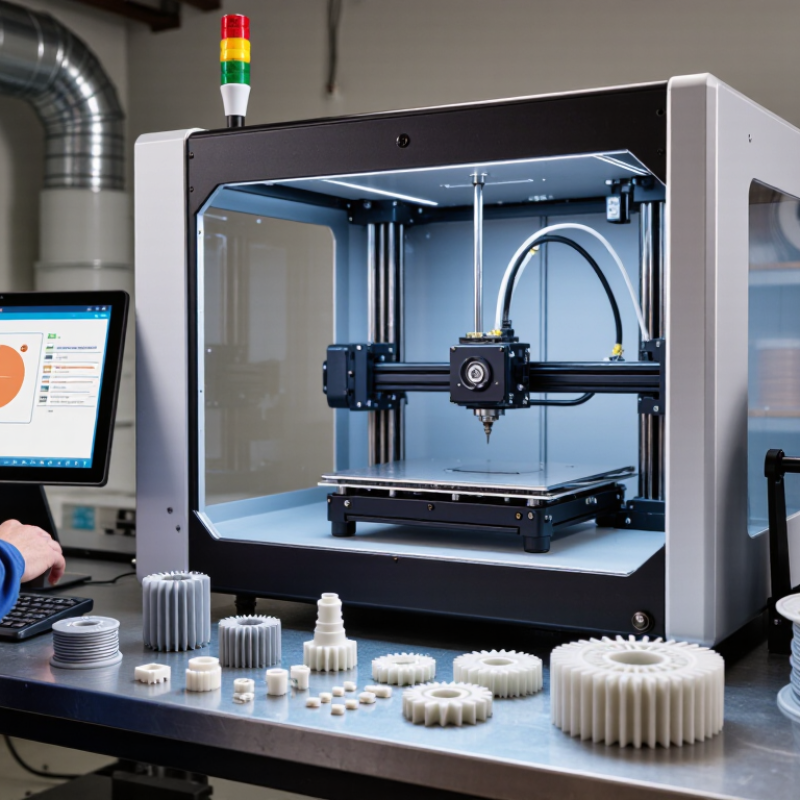
Choosing a nylon printing machine should begin with your workflow, not its advertised speed. Consider part size, daily production volume, layer detail, and the time available for post-processing. Nylon absorbs moisture quickly, so reliable filament drying and controlled storage are essential. A heated chamber can also improve layer bonding and reduce warping during large prints.
In practical use, I have found that repeatability matters more than one impressive test print. Check whether the machine maintains stable nozzle and bed temperatures over several hours. Confirm that the build platform suits nylon and is easy to clean between jobs. Record drying time, temperature settings, cooling changes, and failed prints. This information helps operators refine production instead of guessing.
I once underestimated moisture after leaving a spool open overnight. The surface became rough. That was my mistake.
Tips: Match the machine to your busiest routine. Test a thin wall, a sharp corner, and a functional part before purchasing. Inspect the first layers closely. Choose a model with accessible maintenance points and clear operating instructions. A larger machine is not always better. It may require more energy, space, and calibration time. Also, ask whether replacement components and technical support are realistically available for your location. A slower system with dependable results may fit your workflow better than a faster machine that frequently needs adjustment.