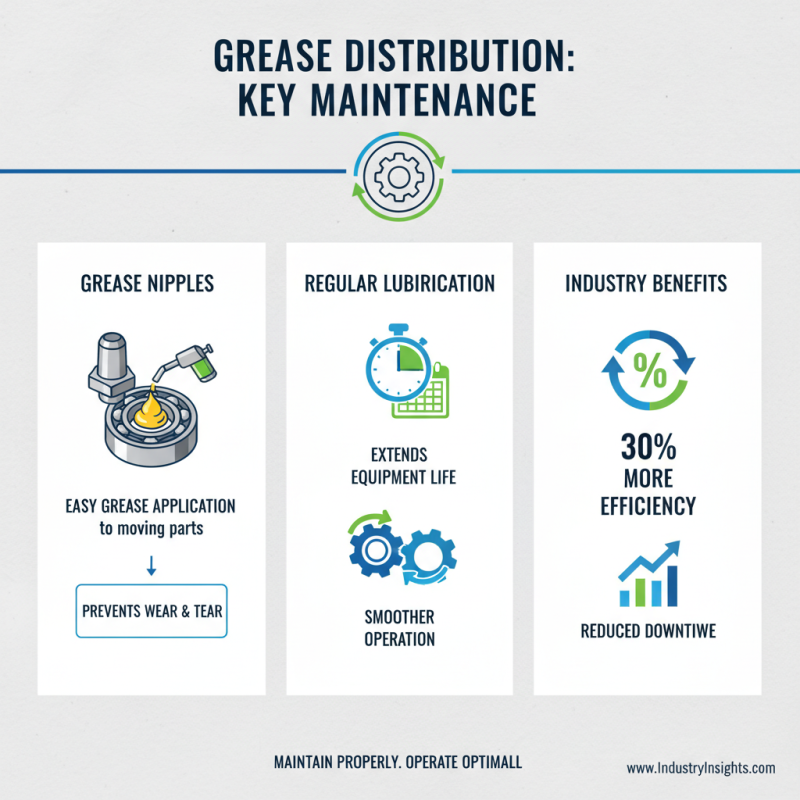
Maintaining machinery is crucial for its longevity and efficiency. One key component in this process is the grease nipple. This simple yet effective part plays a vital role in ensuring that machinery operates smoothly. It allows for easy lubrication of moving parts, reducing friction and wear.
Regular lubrication through a grease nipple can prevent costly breakdowns and extend the life of equipment. However, ignoring this small component can lead to significant issues. It's often overlooked, yet its importance cannot be overstated. The grease nipple enables precise application of lubricant, making maintenance less labor-intensive.
Yet, many operators may not fully understand its function. Awareness of the grease nipple's role is essential for effective upkeep. Neglecting this aspect may result in equipment failures that could have been easily avoided. Understanding the benefits of regular lubrication will lead to better maintenance practices.
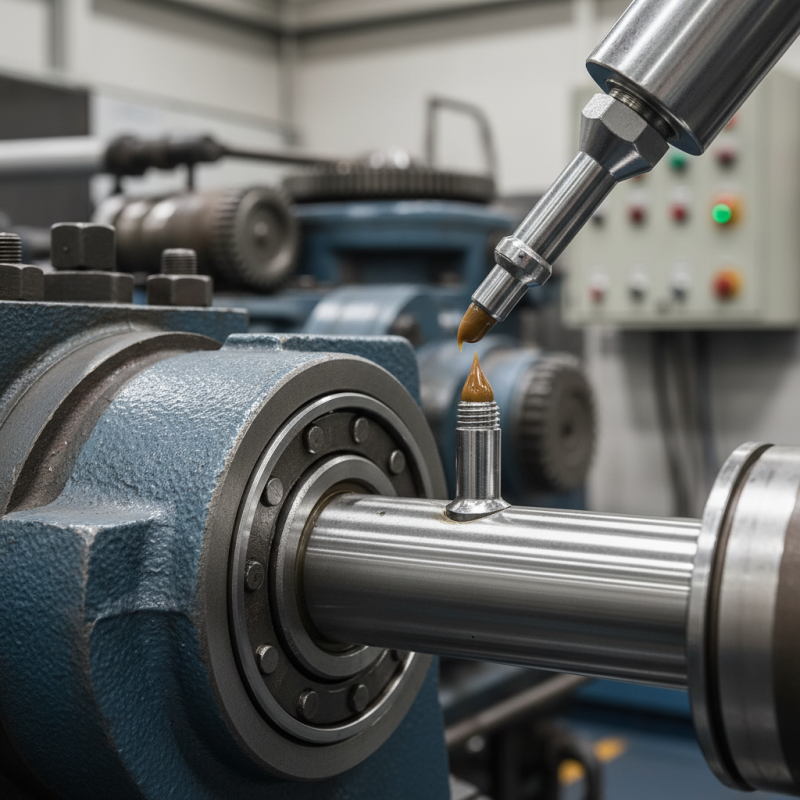
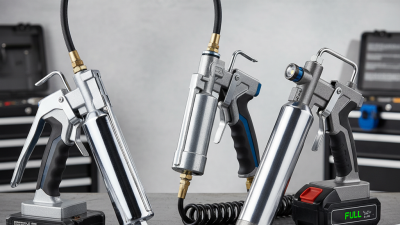
Grease nipples, also known as grease fittings, play a crucial role in machinery maintenance. These small attachments allow for easy lubrication of moving parts. By connecting a grease gun to the nipple, operators can inject lubricant directly into bearings and joints. This targeted lubrication reduces friction and wear. Consequently, machinery operates more smoothly and efficiently.
Regular use of grease nipples helps extend the life of equipment. However, many users overlook their importance. Ignoring lubrication can lead to severe damage, resulting in costly repairs. It's essential to regularly check these fittings for blockages or damage. Routine maintenance should include cleaning and ensuring proper function of grease nipples.
While grease nipples are straightforward, complications can arise. Users may experience leaks or contaminants in the lubrication system. Identifying these issues promptly can prevent further problems. Adopting a proactive approach to lubrication is crucial. Understanding the function of grease nipples enhances overall machinery performance and reliability.
Greasing is often overlooked in machinery maintenance. However, it plays a vital role in ensuring the longevity and efficiency of industrial equipment. Regular greasing minimizes wear and tear on moving parts. This, in turn, prevents costly breakdowns that can lead to extended downtime. A simple act of applying grease can save money and time over the long term.
Without proper greasing, friction increases between components. This causes parts to heat up and wear out faster. Equipment might struggle under heavy loads if maintenance is neglected. A grease nipple, also known as a zerk fitting, simplifies this process. It allows for easy access to the lubrication points, making it convenient for routine maintenance.
Identifying the right intervals for greasing can be challenging. Factors such as workload, environment, and machinery type affect this. Some operators may forget to grease machinery altogether, leading to potential failures. It is essential to establish a maintenance schedule and stick to it. Keeping a log can help track when greasing is due. This can prevent negligence and ensure equipment runs smoothly.
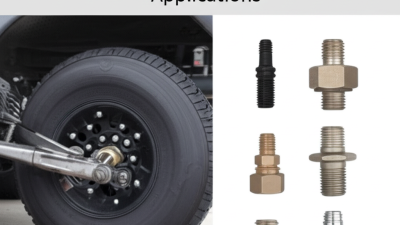
Grease nipples, also known as lubrication fittings, play a vital role in the maintenance of machinery. They ensure that the moving parts operate smoothly, reducing the risk of wear and tear. Various types of grease nipples exist, each designed for specific applications. The two most common types are standard grease nipples and angle grease nipples. Standard nipples are widely used in machinery and vehicles. Angle nipples are ideal for tight spaces, allowing for easier accessibility.
Using the right type of grease nipple is crucial. Failing to do so can lead to inefficient lubrication. For instance, utilizing a standard nipple in a cramped area can make greasing difficult. In contrast, angle nipples allow for proper alignment, ensuring that grease reaches critical components without blockage. This positioning can significantly prolong the lifespan of equipment.
Regular maintenance using grease nipples is essential yet often overlooked. Many operators may forget to check lubricants, risking machinery failure. The implications of a lack of lubrication can be severe. Machinery may begin to operate erratically or, worse, fail completely. Awareness and understanding of these fittings can help prevent costly downtime in production. It is a small task that can yield substantial benefits in the long run.
| Type of Grease Nipple | Description | Common Applications | Advantages |
|---|---|---|---|
| Standard Grease Nipple | A basic fitting allowing manual lubrication of machinery components. | Bearings, gears, and other rotating machinery. | Simple design, easy to use, widely available. |
| Angle Grease Nipple | Designed to fit in locations where a straight nipple is not suitable due to space constraints. | Complicated machinery, tight spaces. | Flexible installation options, effective in confined spaces. |
| Push-on Grease Nipple | Allows for quick connection to grease lines without threading. | Automotive and light machinery applications. | Fast and easy connection, ideal for repeated use. |
| Self-bleeding Grease Nipple | Prevents air locks by allowing trapped air to escape during lubrication. | Heavy machinery operating under high pressure. | Improves lubrication efficiency, reduces maintenance downtime. |
| Miniature Grease Nipple | Compact design for small machinery. | Robots, small electric motors. | Space-saving, tailored for precise applications. |
Grease nipples play a vital role in machinery maintenance. They facilitate the easy application of grease to moving parts. Regular lubrication helps prevent wear and tear, significantly extending equipment life. According to industry reports, machines properly maintained with regular greasing operate up to 30% more efficiently.
Effective grease distribution requires a systematic approach. Start by inspecting the grease nipples for damage or blockage. Clear any debris that may hinder grease flow. Use quality grease that matches the manufacturer's specifications. This ensures compatibility and performance. Aim for a consistent application frequency based on usage hours. For instance, high-demand machinery may need greasing every 20 hours of operation.
*Tip: Always clean grease fittings before each use. This helps prevent contamination, which can lead to equipment failures.*
It's important to recognize that not all machines are the same. Some systems may not require frequent greasing. Over-lubrication can be just as harmful, leading to grease buildup and attracting dirt. Additionally, always monitor performance post-greasing. Look for signs of improved operation or any robotic hiccups. Utilizing proper greasing protocols fosters a proactive approach to maintenance in the long term.
*Tip: Document each greasing session. Track which machines are serviced and when to identify patterns in maintenance needs.*
Neglecting grease nipples in machinery can lead to significant performance issues. These tiny components serve a critical role in maintaining the lubrication required for smooth operation. Without regular greasing, moving parts can experience increased friction. Over time, this friction generates heat, leading to premature wear and damaging failures.
The consequences of ignoring grease nipples are tangible. For example, a lack of proper lubrication can cause bearings to seize. This results in costly downtime for repairs. Additionally, the overall efficiency of machinery can decline dramatically. Maintenance schedules should emphasize checking and servicing grease nipples regularly.
Many operators may overlook these small details. A simple visual inspection can save time and money. It's essential to adopt a conscientious approach to machinery maintenance. Failing to do so may lead to unexpected breakdowns. The more attention given to grease nipples, the better machinery will perform overall.