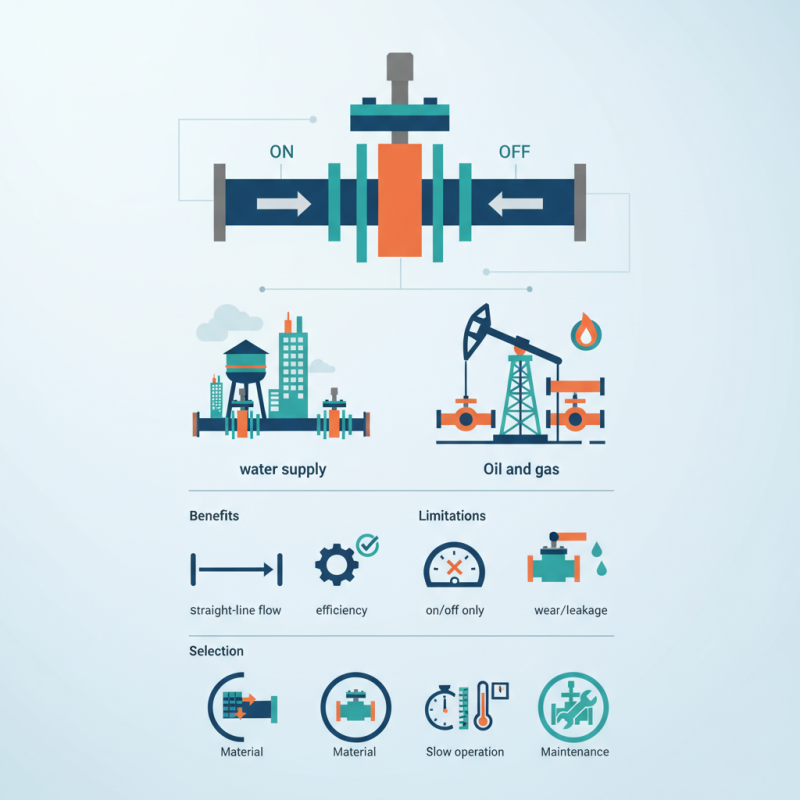
Gate valves are essential components in various industries, from water supply to oil and gas. According to a recent market report by Allied Market Research, the gate valve market is projected to reach $12 billion by 2027. These valves are renowned for their ability to provide a straight-line flow path, reducing resistance and increasing efficiency.
However, gate valves are not without limitations. They are primarily designed for on/off applications and may not be suitable for throttling. The American Society of Mechanical Engineers (ASME) indicates that improper use can lead to wear and leakages.
In practical applications, gate valves should be selected carefully. The material, size, and operating conditions must align to ensure optimal performance. Despite their benefits, users must acknowledge potential downsides like slow operation and maintenance requirements. Understanding these factors ensures better use of gate valves in industrial settings.
A gate valve is a crucial component in various piping systems. It functions primarily as an on/off control device. Unlike other valves, it does not regulate flow. Instead, it either allows flow or stops it completely. The simplicity of this valve makes it popular in many applications.
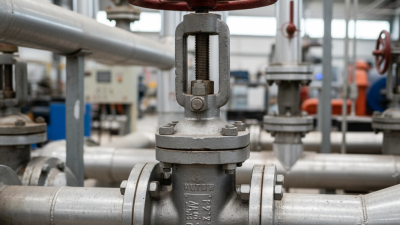
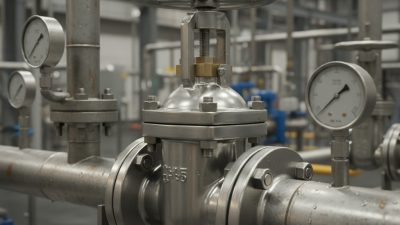
Key components of a gate valve include the body, the gate, and the stem. The body houses the gate, which moves up and down. The stem connects the gate to the actuator. When the actuator turns, it raises or lowers the gate. This movement is often smooth. However, sometimes jammed gates can occur. Maintenance is essential to ensure reliability.
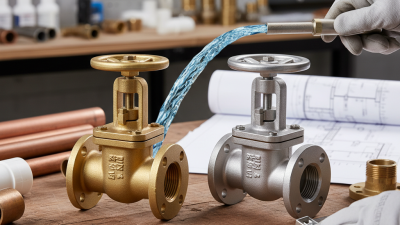
Gate valves are commonly made from metal or plastic. The choice of material depends on the application. Metal valves can withstand higher pressures, while plastic valves might be used in less demanding scenarios. Each option has its drawbacks. Metal can corrode, while plastic may not hold up under UV light. Regular inspections can help catch these issues early.
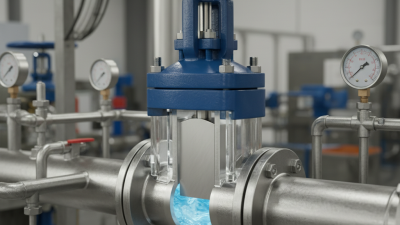
Gate valves serve a critical function in fluid management. They are often used in pipelines to control the flow of liquids and gases. The design is straightforward yet effective. A gate valve uses a wedge-shaped gate that moves up and down. When the gate is fully raised, fluid flows freely. Lowering it blocks the flow completely.
The mechanism relies on pressure differentials. When fluid enters, the pressure forces the gate upward. This movement allows for minimal resistance. According to industry reports, gate valves can maintain tight seals under high pressure. However, they require precise operation. Misalignment can lead to leaks or reduced efficiency.
Some challenges persist with maintenance. Over time, corrosion can affect the gate. A study by the American Society of Mechanical Engineers highlights the importance of regular inspections. Issues like wear can compromise flow control. Maintaining optimal conditions is vital for long-term function. Thus, gate valves are effective but demand attention and care.
Gate valves are essential components in various industries. They help control the flow of liquids and gases. Understanding their types and applications is crucial for effective use.
There are different types of gate valves, each with unique specifications. For instance, rising stem and non-rising stem gate valves serve distinct purposes. Rising stem valves give clear indications of the valve position. According to a recent industry report, approximately 30% of valves used in oil and gas applications are gate valves. Their durability and reliability make them a popular choice.
Moreover, gate valves find applications in water treatment facilities and power generation. In water treatment, they regulate the supply in large pipelines. The specifications vary based on industry needs. For example, the American National Standards Institute (ANSI) sets standard pressure ratings for these valves. Quality standards ensure their functionality.
However, improper maintenance can lead to failures, prompting the need for regular checks. Regular inspections should address any wear and tear issues.
Gate valves are widely used for on-off control in piping systems. Their performance hinges on pressure ratings and temperature limits. These metrics are crucial for determining the suitability of a gate valve in various applications.
Pressure ratings often range from 150 to 2500 psi. This wide range allows for versatile usage across industries. Not meeting these ratings can lead to failures. High-pressure systems require valves that can withstand extreme conditions. It’s essential to consult specifications carefully to avoid mishaps.
Temperature limits are another vital aspect. Gate valves typically operate within -20°F to 800°F. However, this can vary with materials used. Using the wrong valve at high temperatures can cause leaks. Always consider environmental factors when selecting a gate valve. A miscalculation here could lead to serious issues down the line.
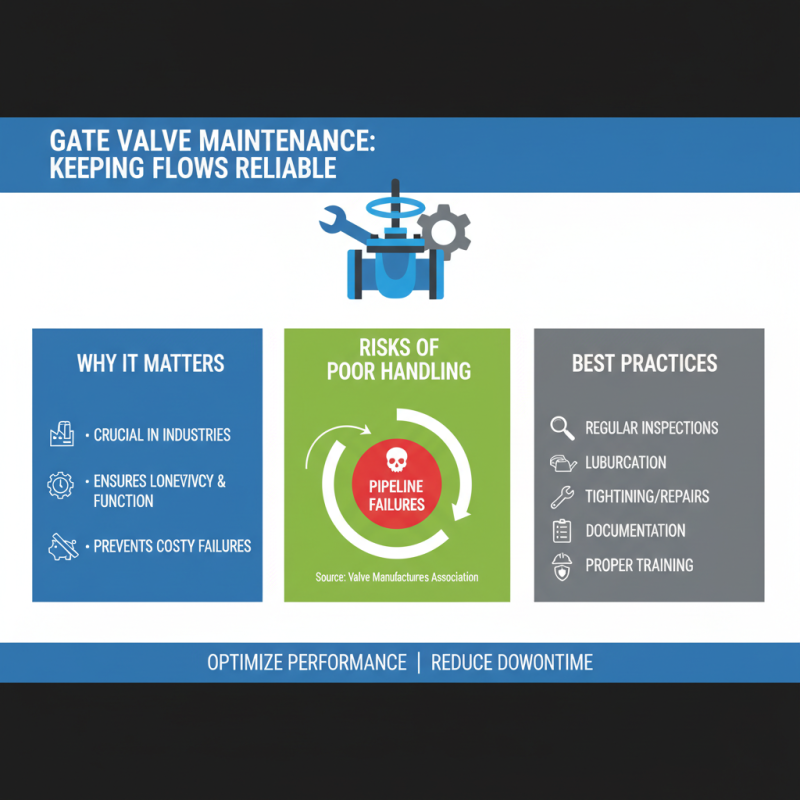
Gate valves are crucial in various industries. Proper maintenance ensures their longevity and functionality. Regular maintenance can prevent costly failures. According to the Valve Manufacturers Association, improper valve handling can lead to 30% of pipeline failures. Therefore, understanding maintenance best practices is essential.
One key practice is regular inspection. Inspecting the valve for leaks, corrosion, or wear helps identify issues early. Lubricating the valve stem can also improve performance. However, over-lubrication can attract dirt and impede function. A balance is necessary.
Operators should also document valve maintenance. Records help track performance and identify recurring issues. Data reveals that 15% of all valve-related problems stem from poor documentation. This reveals a gap that can lead to significant operational downtime. Regular training of personnel is crucial. Ensuring that staff understand best practices prevents mistakes and promotes optimal performance.