
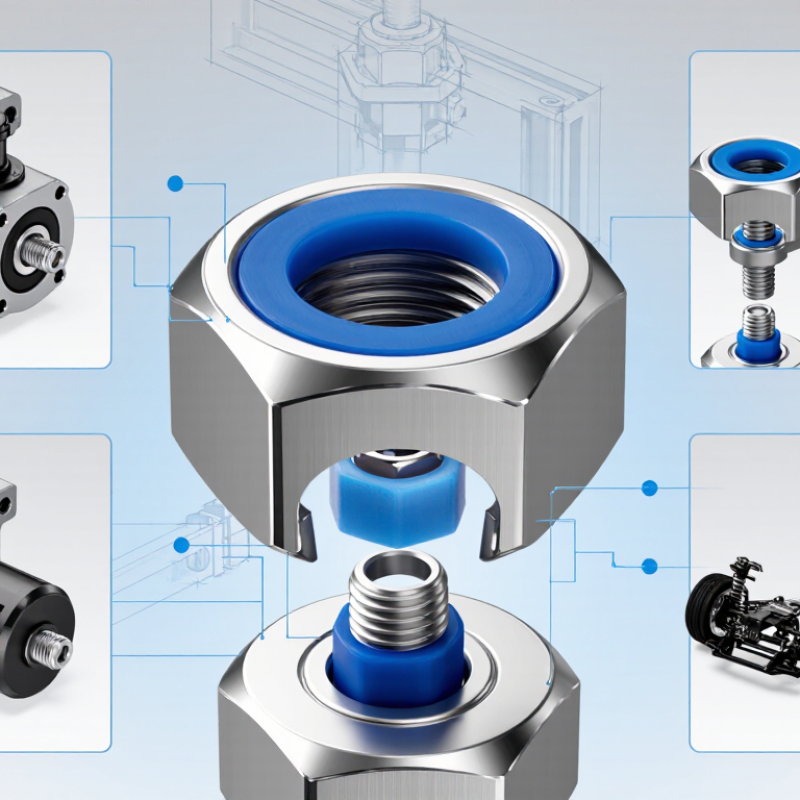
A nylon ring nut usually contains a nylon insert inside its threaded section. When tightened onto a bolt, the insert grips the bolt threads and creates resistance against loosening. This resistance helps maintain clamping force during moderate vibration. The metal body carries the load, while the nylon ring provides the locking action. It is not a permanent adhesive.
Common applications include vehicle trim, appliance panels, electrical cabinets, furniture hardware, and light machinery. Technicians often choose these nuts where corrosion resistance, low weight, and reduced scratching matter.
Nylon also operates more quietly than some all-metal locking designs. However, its performance depends on correct torque, clean threads, and suitable temperature conditions. Reusing the nut may reduce its locking ability. That detail is often overlooked.
Tips: Check the working temperature before installation. Excessive heat can soften the nylon insert and weaken thread resistance. Avoid using these nuts for joints exposed to severe heat, strong chemicals, or critical dynamic loads unless engineering data supports them. Match the nut with the correct bolt grade and diameter. Do not force a damaged insert onto the threads. In field work, a torque check is useful because hand-tightening can create uneven results. Nylon ring nuts are convenient, but convenience should not replace joint verification.