Choosing the right air operated drum pump can be a complex task. With so many options in the market, finding the best fit is essential. This process requires careful consideration of various factors. It’s not just about picking a pump; it’s about ensuring reliability and efficiency in your operations.
An air operated drum pump is designed to handle liquids efficiently. However, not all pumps are created equal. You must focus on specific features such as flow rate and material compatibility. Poor choices can lead to leaks or reduced performance, impacting your workflow. It’s important to assess your needs clearly.
Engaging with trusted manufacturers can provide valuable insights. They often offer guidance based on their expertise, ensuring you make informed decisions. Additionally, user reviews can highlight the strengths and weaknesses of different models. A thoughtful approach to selecting your air operated drum pump will ultimately lead to better results in your projects.
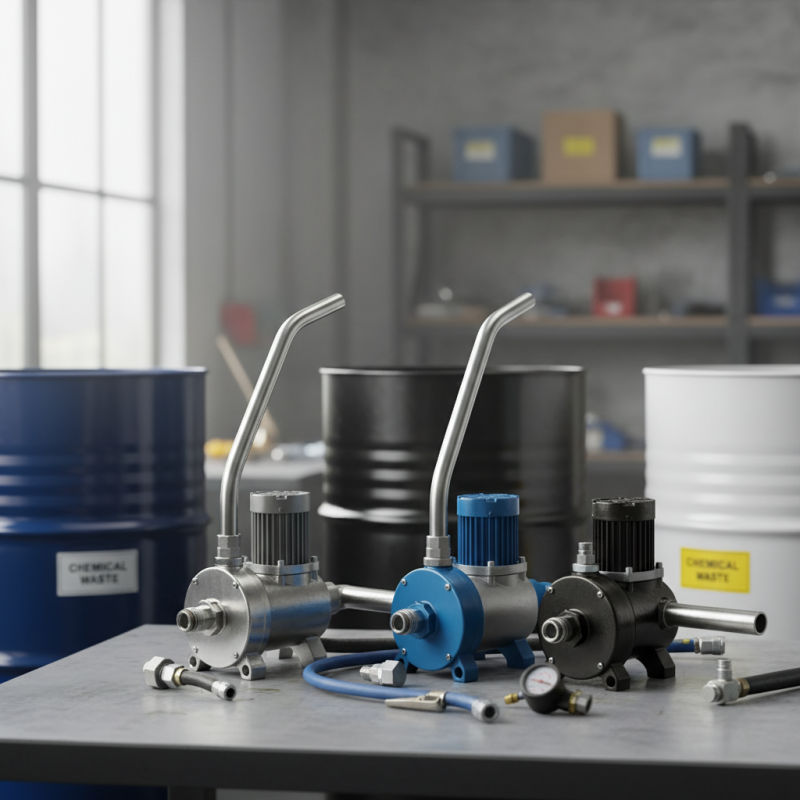
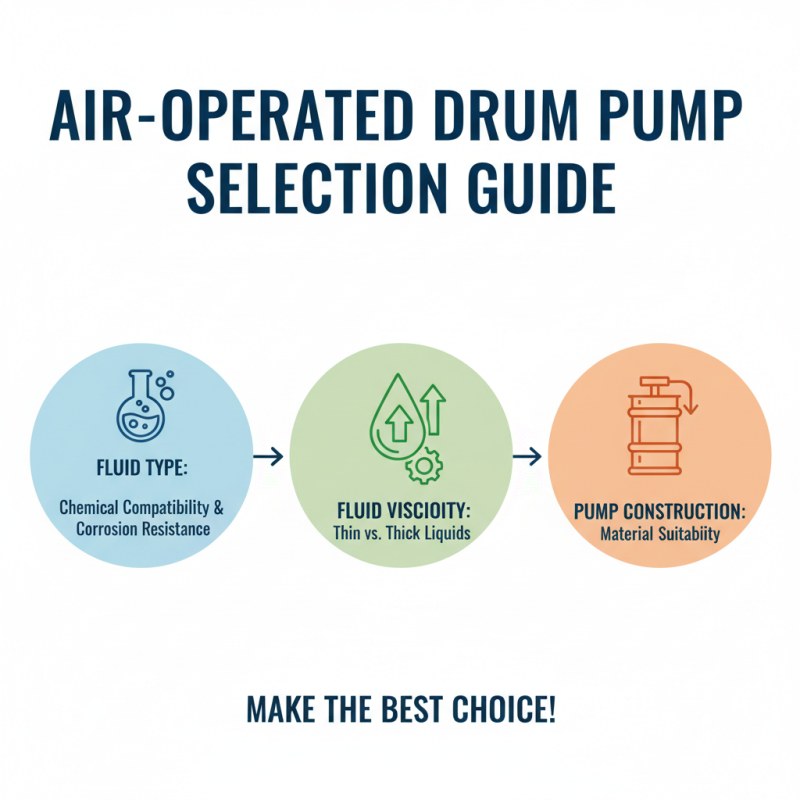
When selecting an air operated drum pump, several factors come into play. First, think about the type of fluid you will handle. Different chemicals require specific materials for compatibility. Ensure the pump's construction can resist corrosion or degradation. Evaluate the viscosity of the fluid, too. Some pumps excel with thin liquids. Others can manage thicker substances. Know your material to make the best choice.
Next, consider the pump's flow rate. This will impact your efficiency. A higher flow rate saves time during transfers. However, if your needs are minimal, a slower pump might suffice. Take a moment to assess your operational requirements. Also, think about the space you have available. Some pumps are compact and easy to install. Others require more room and complexity.
Lastly, check the ease of maintenance. Air operated drum pumps should have accessible components for routine checks. A reliable pump minimizes downtime. You may also want to consider noise levels. Some models operate quietly, which can be a significant advantage in sensitive environments. Reflect on how these elements fit into your working conditions and requirements.
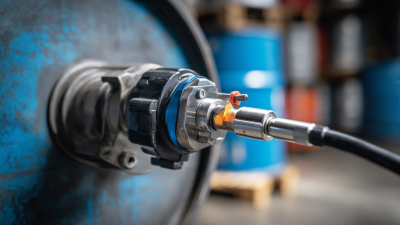
When selecting an air-operated drum pump, understanding pump flow rates and performance metrics is crucial. Flow rate indicates how much fluid the pump can move in a certain time. Typically measured in gallons per minute (GPM) or liters per minute (LPM), this metric affects your operations directly. A higher flow rate means faster processing, but it can also lead to inefficiencies if the system can't handle it.
Performance metrics aren't just about speed. Consider pressure ratings and suction capabilities. These factors determine how well the pump performs under different conditions. Knowing the specific requirements of your application is vital. For example, high-viscosity fluids may require more robust performance metrics. It's essential to balance speed and pumping capability with the fluid type.
Another aspect to consider is maintenance. Even the most efficient pump can falter if not maintained properly. Regular checks on seals and filters can prolong its life. A pump might perform well initially, but neglect can lead to reduced flow rates over time. Continuous monitoring can prevent unexpected downtimes. Remember, a well-informed decision is always more effective.
When selecting an air-operated drum pump, compatibility with various liquids and chemicals is crucial. Different materials can react differently with specific substances. For example, corrosive chemicals may degrade certain pump materials quickly. It is essential to identify the liquid's chemical properties before making a selection. This is where many users falter. They overlook the need for thorough research on liquid compatibility.
Consider the pump's construction materials. Some pumps are made with plastics and rubber that can degrade under harsh conditions. Others might use stainless steel, offering better durability. It's important to consult technical specifications and safety data sheets. These resources provide critical insights into which materials are suitable for your intended use. A common mistake is assuming one pump fits all situations. Before investing, ensure the pump meets compatibility standards for the liquids you plan to handle.
Monitor your pump’s performance regularly. Over time, even compatible materials may show signs of wear. This can lead to leaks or malfunctions. User feedback can also provide valuable insights. Engaging with community forums or reviews can highlight potential issues. Being proactive about your pump's compatibility can save time and money in the long run.
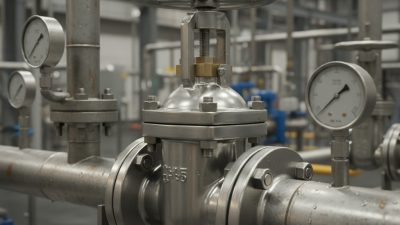
When selecting an air-operated drum pump, assessing safety features is crucial. Safety features protect users and enhance operational efficiency. Look for pumps with pressure relief valves. These prevent dangerous over-pressurization. A stable base design also contributes to safety, preventing tipping. Additionally, automatic shut-off mechanisms can be lifesavers during unexpected failures.
Compliance with industry standards is another important factor. Check if the pump meets relevant certifications. Adhering to safety regulations can minimize hazards. These standards often address materials and construction techniques. Equipment designed with compliance in mind typically ensures greater reliability. Explore user reviews to gauge real-world performance and safety. Feedback can reveal hidden issues that certification may overlook.
It's worth noting that not all pumps are created equal. Some may lack robust safety features, leading to accidents. Reflecting on this can help buyers make informed choices. A thorough assessment of safety elements and compliance ensures a wise investment. Selecting the right pump can significantly mitigate risks and enhance safety in the workplace.
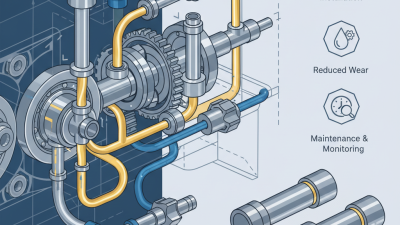
Air operated drum pumps require regular maintenance to ensure long-lasting performance. Keeping an eye on the pump’s seals is crucial. Worn or damaged seals can lead to leakage and inefficiencies. Regular inspections should become part of your maintenance routine. Use a checklist to monitor each component, including the air motor and pump casing.
Additionally, lubricating moving parts helps maintain efficiency. It minimizes wear and tear over time. Not all lubricants work for air operated pumps, so it’s essential to choose the right one. Failing to do so may lead to issues. This requires knowledge of the components made from various materials.
Understanding the lifespan of your pump can guide replacement decisions. Some pumps may last years, while others show wear in months. Environmental factors, such as temperature and humidity, can impact longevity. Observing the performance can reveal if it’s time for a replacement. Consistent training for operators ensures that everyone understands maintenance best practices. Mistakes happen, and learning from them is part of the process.
| Feature | Description | Maintenance Frequency | Expected Lifespan |
|---|---|---|---|
| Pump Material | Choose materials compatible with the fluids being pumped (e.g., aluminum, stainless steel). | Inspect quarterly | 5-10 years |
| Flow Rate | Select a pump with an appropriate flow rate for your application. | Review monthly | Varies based on use |
| Air Supply Requirement | Ensure adequate air supply pressure for optimal performance. | Check monthly | Indefinite with proper care |
| Seal Maintenance | Regularly check seals for wear to prevent leaks. | Inspect monthly | 2-5 years |
| Cleaning | Clean the pump and components to prevent build-up. | Clean after each use | Extended with regular cleaning |