
Choosing the right Cnc Tool Insert can make a significant difference in your machining processes. With numerous options available, it can be overwhelming. Understanding your specific needs is critical.
CNC tool inserts vary in material, shape, and intended use. Selecting the wrong insert could lead to premature wear or poor surface finish. This not only affects productivity but also impacts the overall quality of your workpieces. Each project might demand different inserts, and familiarity with these options is crucial for success.
It is essential to assess the compatibility of inserts with your machinery and tasks. Some may fit perfectly, while others might not perform efficiently. This decision requires careful consideration and experience. Navigating this landscape of choices might seem daunting, yet with the right knowledge, you can gain confidence in your selections. Understanding the nuances will empower you to optimize your machining capabilities.
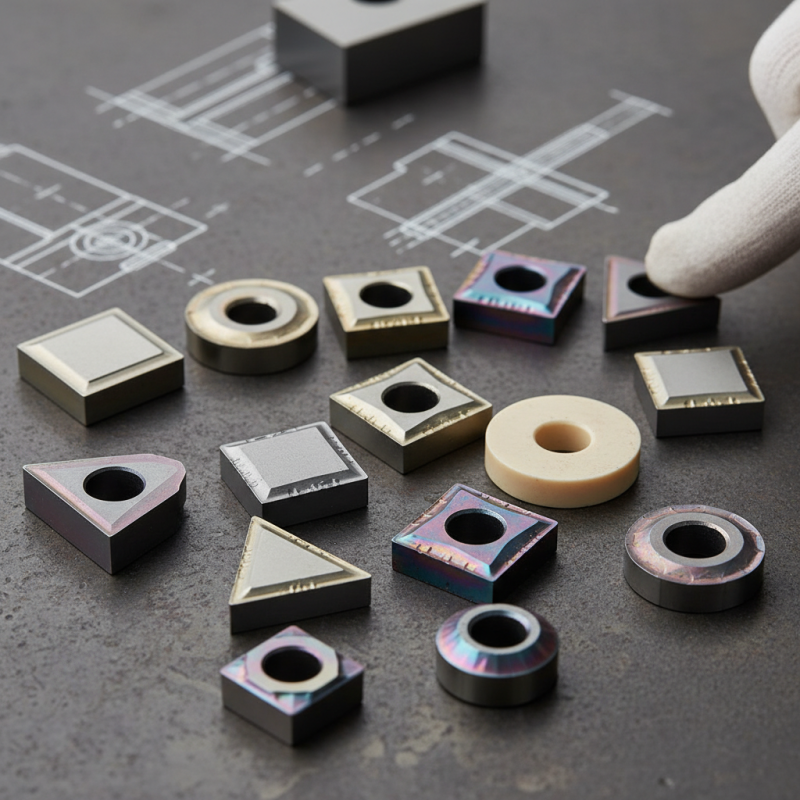
CNC tool inserts play a crucial role in machining processes. They come in various types, each designed for specific materials and applications. Understanding these differences is vital for optimal performance.
One popular type is carbide inserts, known for their hardness and wear resistance. Studies show that they can increase tool life by up to 50%. Another option is ceramic inserts, ideal for high-speed machining. They can withstand extreme temperatures, making them suitable for hardened materials. Each type serves a unique purpose, so assess your specific needs before choosing.
Consider your machining style when selecting inserts. For tedious operations, choose inserts that provide longer tool life. Alternately, for higher precision, select geometry that enhances chip control. Regularly review your insert performance data to identify opportunities for improvement. This can save costs significantly. Always explore new technologies and trends in inserts, as innovations can lead to better efficiency and results.

When selecting CNC tool inserts, several key factors demand your attention. Material composition is crucial. Inserts made from carbide or ceramic vary in performance. For example, carbide inserts are known for their durability and heat resistance. According to industry reports, carbide tools can last up to 50% longer than high-speed steel tools in heavy machining applications.
Another important aspect is the geometry of the insert. The shape affects chip formation and cutting efficiency. Inserts with a positive rake angle enhance cutting speeds, while a negative rake angle can improve tool life. Notably, a study indicated that using the right insert geometry can reduce cutting forces by up to 30%. This factor significantly influences machining precision and workpiece quality.
You must also consider the coating of the insert. Different coatings like TiN or TiAlN provide various benefits. They enhance wear resistance and reduce friction. A comprehensive study found that coated inserts could improve tool life by an average of 20-40%. However, applying the wrong coating might result in suboptimal performance. Understanding these factors can lead to more informed, effective choices in CNC tool inserts.
Choosing the right insert material is crucial for effective CNC machining. The material affects tool life, cutting speed, and surface finish. Common options include carbide, high-speed steel, and ceramic. Each has unique properties that cater to specific applications. For instance, carbide inserts excel in high-speed operations due to their hardness.
Consider the workpiece material. If you're machining tough metals, carbide may not always be the best choice. High-speed steel can offer better toughness in some cases. Ceramic inserts perform well at elevated temperatures but may be brittle, leading to unexpected failures. Evaluating the intended use helps guide the selection process.
Tool inserts also differ in coating options. Coatings can enhance durability and reduce friction. However, they come at a cost, sometimes making the decision challenging. Balancing performance and budget becomes essential. Reflect on previous experiences and gather feedback from peers for deeper insights into material performance.
| Insert Type | Material | Application | Recommended Hardness (HRC) | Surface Finish |
|---|---|---|---|---|
| Carbide Inserts | Tungsten Carbide | Machining Steel | 50-65 HRC | Fine Finish |
| Ceramic Inserts | Alumina | High-Speed Steel | 45-55 HRC | Moderate Finish |
| Cermet Inserts | Ceramic-Metal Composite | Stainless Steel | 30-50 HRC | High Finish |
| PCD Inserts | Polycrystalline Diamond | Non-Ferrous Metals | N/A | Excellent Finish |
| Cobalt Inserts | Cobalt Alloy | Titanium Alloys | 40-50 HRC | Decent Finish |
| High-Speed Steel Inserts | HSS | General Machining | 30-40 HRC | Rough Finish |
| HSS-Co Inserts | Cobalt High-Speed Steel | Tough Materials | 30-45 HRC | Better Finish |
| Tipped Inserts | Cubic Boron Nitride | Hard Materials | 60-70 HRC | Excellent Finish |
| CVD Coated Inserts | Ceramic Coating | Difficult Materials | N/A | Ultimate Finish |
When selecting CNC tool inserts, geometry plays a crucial role. The shape of the insert affects cutting efficiency significantly. For instance, a sharp edge helps in reducing cutting forces. This can lead to increased tool life. A round insert reduces potential breakage, offering more durability.
The rake angle also matters. A positive rake can enhance chip removal, while a negative rake improves stability. Balancing these geometrical aspects can be challenging. There is no one-size-fits-all solution. You may find that what works for one material does not for another.
Testing different geometries can lead to unexpected results. The insert’s thickness can influence how it withstands the heat generated during machining. A thicker insert may resist wear but can also reduce cutting speed. Understanding the relationship between geometry and function is key. It provides a pathway to optimizing performance. Experimentation is often necessary.
Don't overlook the impact of geometry on your operations. A well-considered choice can lead to noticeable improvements in productivity and tool longevity.
When selecting CNC tool inserts, balancing cost and performance is crucial. The right insert can enhance productivity while minimizing costs. However, it’s easy to get caught up in low prices while overlooking performance factors that could save money in the long run.
Consider manufacturing materials and conditions. High-performance inserts may seem costly, but they often wear longer. This reduces the need for frequent replacements. Evaluate the specific machining task and required precision. A cheaper insert can lead to poor finishes or increased cycle times. This might counteract earlier savings.
One tip is to analyze life expectancy and cutting speed. Sometimes, a higher upfront investment yields greater value overall. Look into inserts that provide flexibility and adaptability. They should meet various requirements in your operations. Furthermore, seek expert advice or data on insert performance in similar applications. Establishing reliable sources of information is key for informed decisions.
This chart illustrates the cost and performance rating of different CNC tool inserts. The cost is represented in dollars, while the performance is rated on a scale from 1 to 5. When choosing a CNC tool insert, it's important to evaluate both cost and performance to ensure the best fit for your manufacturing needs.