Global buyers rarely notice a needle valve until a small leak disrupts a test bench, instrument line, or process skid. These compact components regulate flow with fine control, but performance depends on more than size. Material compatibility, pressure ratings, seat design, machining quality, and repeatable testing all matter. Small parts matter.
The market context is substantial, though the figures require care. Grand View Research valued the global industrial valves market at approximately USD 78.6 billion in 2023 and projected continued growth through 2030. That report covers industrial valves broadly; it does not isolate needle valves. Still, it reflects investment across industries that rely on dependable flow control, including energy, chemicals, and water infrastructure. Buyers should treat market growth as context, not proof of any supplier’s quality.
This guide examines China’s needle valve manufacturers through practical purchasing criteria: product range, materials such as stainless steel, pressure and temperature specifications, inspection records, and export experience. A polished catalog is useful, but it cannot replace a clear datasheet or verifiable test documentation. Ask how the manufacturer controls tolerances and handles custom requirements. Then compare like with like. Supplier claims can be difficult to assess from a distance, and even a careful shortlist may miss something. That deserves a second look. The aim here is not to declare one factory universally best, but to help global buyers identify manufacturers whose capabilities match their application and evidence.
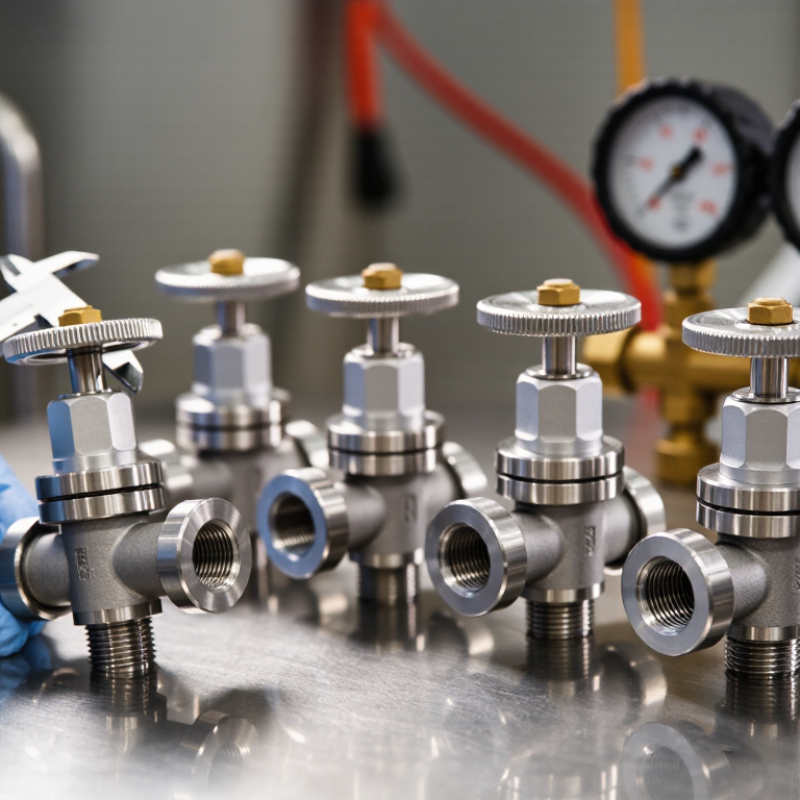
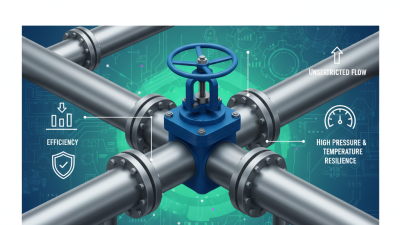
A needle valve controls flow by moving a slender, tapered stem toward or away from a small seat. Turning the handwheel shifts the stem in tiny increments, changing the opening through which fluid passes. Small turns matter. This fine adjustment makes needle valves useful in low-flow instrument lines, sampling systems, and laboratory setups where a gradual change is more useful than a quick on-off action. The response depends on the valve design, fluid, and operating pressure.
Picture a technician adjusting a valve while watching a flow indicator move slowly across its scale. That controlled response can help with precise settings, but it takes patience. A needle valve may create a significant pressure drop, and its narrow passage can be unsuitable for dirty fluids or high flow rates. Not always. Material compatibility also matters, especially when the fluid may corrode the body or damage the seat. One easy-to-miss detail is that a valve that feels closed may not provide dependable leak-tight isolation. Check its specified duty, inspect the seat, and make adjustments gradually. Even careful operators can misjudge a small change.
China serves global needle-valve buyers through a broad manufacturing base and established export networks. The World Steel Association’s World Steel in Figures 2025 reports that China produced 1,005.1 million tonnes of crude steel in 2024, about 53.4% of global output. This indicates substantial materials capacity, but it does not measure needle-valve production or quality. Buyers should check the actual alloy grade, heat-treatment records, and material certificates for each order.
Needle valves regulate small flows in instrument lines, sampling systems, and pressure-test rigs. Their performance depends on details: a finely machined stem, a clean seat, and repeatable handwheel movement. For global orders, manufacturers commonly support custom connections, documentation, and inspection requirements. Ask for pressure-temperature ratings, leakage-test records, dimensional drawings, and traceable batch documents. That matters.
A polished catalog can hide uneven batch control. Sample testing and clear acceptance criteria help buyers assess consistency before committing to volume. The steel-production figures show industrial scale, not a guarantee of precision. That distinction deserves attention. Export readiness also involves packaging that protects delicate threads and seats during transit, plus responsive technical support across time zones. In practice, the best sourcing decision weighs verified test evidence alongside price and delivery estimates.
Choosing a Chinese needle valve manufacturer requires more than comparing prices. Start with the valve’s actual service conditions: pressure, temperature, fluid compatibility, and required flow control. Ask which body and trim materials are available, and request material certificates for the parts that contact the fluid. Small details matter. A mismatch between alloy and process fluid can shorten service life.
Review manufacturing and inspection evidence. Ask how the supplier checks thread dimensions, stem finish, seat contact, and leakage. For critical applications, request pressure-test records and confirm the test medium and acceptance criteria. Ask for sample inspection reports, not just a statement that every valve is tested. A polished brochure is not proof, and a factory visit can still miss problems.
Communication is part of quality. Check whether technical questions receive specific answers, drawings can be reviewed before production, and changes are documented. Request a sample and compare its markings, dimensions, and operation with the agreed specification. Ask about batch traceability, packaging, lead times, and after-sales support. No review is perfect; a sample may not represent every production run. That is why clear records and consistent checks matter.
| Evaluation dimension | What to verify | Useful evidence to request | Buyer evaluation guidance |
|---|---|---|---|
| Product range and design suitability | Available connection types, end sizes, pressure and temperature limits, flow characteristics, and options such as bonnet styles or panel mounting. | Current product catalogue, dimensional drawings, product datasheets, and a written confirmation against the intended service conditions. | Compare the offered configuration with the actual process requirements. Do not assume that a catalogue pressure rating applies to every size, material, or temperature. |
| Materials and traceability | Body, stem, needle, seat, packing, and seal materials; compatibility with the fluid, temperature, and operating environment. | Material certificates and heat or batch traceability records. Depending on the component and grade, documents may reference specifications such as ASTM A182 for forged alloy or stainless components, or ASTM A479 for stainless steel bars and shapes. | Check that the material grade and product form match the purchase specification. Confirm how material records are linked to the delivered valves. |
| Pressure design and ratings | Design basis, pressure-temperature rating, connection rating, and any limits associated with the selected size or material. | Datasheets, design documentation, and applicable standard references. ASME B16.34 covers pressure-temperature ratings and other requirements for specified valve types and end connections. | Ask the supplier to identify the standard and rating basis for the exact valve configuration. Confirm that the cited standard applies to the product and service in question. |
| Inspection and pressure testing | Inspection points, test medium, test pressure, duration, acceptance criteria, and how test results are recorded. | Inspection and test plan, sample or order-specific test reports, and applicable procedure references. API 598 and ISO 5208 are examples of valve inspection and pressure-testing standards; applicability depends on valve design and contract requirements. | Specify required shell and seat tests, acceptance criteria, and documentation before ordering. Avoid treating a standard reference alone as proof that a particular order was tested. |
| Quality management and production controls | Document control, supplier controls, production inspection, nonconformance handling, and corrective-action processes. | Current quality-management-system certificate, certificate scope, audit information where available, and examples of inspection records. | Check certificate validity and scope. ISO 9001 certification concerns a quality management system; it does not by itself certify a valve’s design or performance. |
| Customization and engineering support | Ability to assess non-standard materials, connections, dimensions, packing, or operating requirements, and to manage drawing revisions. | Technical review of the inquiry, approved drawings, revision history, and written confirmation of deviations or exclusions. | Evaluate how clearly the supplier identifies assumptions and limitations. Approve drawings and technical deviations before production starts. |
| Production capacity and lead-time control | Manufacturing steps, capacity planning, quality checkpoints, and the process for communicating schedule changes. | Production schedule, order milestones, inspection hold points, and shipment-readiness updates. | Compare the quoted lead time with the required delivery date and agree on milestone updates. Treat capacity statements as order-specific commitments only when documented. |
| Export documentation and packaging | Export experience, shipping terms, packaging suitable for the transport route, and ability to provide agreed shipping documents. | Sample packing list, commercial invoice format, country-of-origin documentation where applicable, packaging details, and confirmation of agreed Incoterms. | Confirm document requirements and responsibility for freight, insurance, and customs-related tasks in the purchase contract. Requirements vary by destination and transaction. |
| Warranty, service, and communication | Written warranty terms, response process for technical issues, spare-parts availability, and clarity of communication across time zones. | Warranty document, service contact details, response-time commitment if offered, and spare-parts list for the selected model. | Review exclusions, claim procedures, and the evidence required for a claim before purchase. Confirm support arrangements for the destination market. |
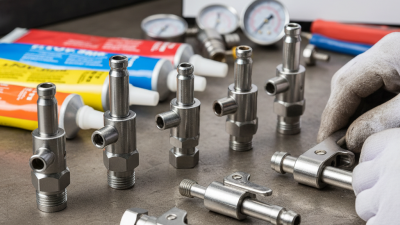
Chinese needle valve manufacturers serve instrumentation, chemical processing, and hydraulic applications, with capabilities ranging from bar-stock machining to assembled, pressure-tested valves. Better-equipped factories can CNC-turn stainless-steel bodies, lap metal seats, and inspect stem travel for smooth adjustment. Small details matter. Buyers should request material certificates, pressure-test records, and clear limits for temperature, pressure, and connection size—not rely on catalog photos alone.
World Stainless Association reported 58.4 million tonnes of global stainless-steel crude production in 2023. This indicates a broad material supply base, but it does not verify any factory’s grade control or traceability.
Not every shop makes those records easy to compare. Ask how each batch is identified, what leakage test is performed, and whether samples can be tested before volume orders. For low-flow service, a precise stem and clean seat finish can matter more than a polished brochure. Suppliers’ inspection depth varies, and that gap deserves closer scrutiny.
For global buyers, supplier verification should begin with the valve’s actual service conditions. Share the required media, operating pressure, temperature range, connection type, and flow needs. Ask the manufacturer to identify body and seal materials in writing. Check whether its pressure tests, inspection records, and product drawings match the proposed configuration. Details matter. A polished brochure cannot confirm that a specific valve will suit your system.
Review production capability as well as paperwork. Ask how materials are traced, how dimensions are checked, and how test equipment is calibrated. A factory visit or live video review can show machining, assembly, and inspection areas. Request a sample when practical, then compare its markings and dimensions with the approved drawing. Keep communication records. Even a careful checklist can miss a mismatch, especially when specifications change during negotiation.
Tips: Ask for a recent test report tied to the quoted model. Confirm delivery capacity with a realistic schedule, not a verbal promise. Have a qualified engineer review pressure and material compatibility. If an answer feels vague, ask for evidence. Supplier checks take time, and no single document proves everything.
Compare pressure values stated in bar and megapascals against their psi equivalents when reviewing supplier documentation.
Values are unit conversions, not valve pressure ratings or supplier test results. Conversion basis: 1 psi = 6,894.757293168 pascals.