Choosing the right gate valves is crucial for various industrial applications. In 2026, buyers face numerous options in the market. Understanding the features that distinguish top gate valves can greatly impact performance and longevity.
Gate valves are essential for regulating flow in piping systems. Their design offers reliability and efficiency. When selecting a valve, consider the material and pressure ratings. These aspects directly affect the valve's suitability for specific tasks.
Buyers must also be aware of potential shortcomings. Not all gate valves are created equal. Some may struggle under extreme conditions. Researching trusted brands and reviews is vital. This ensures you invest in high-quality products that meet your needs effectively.
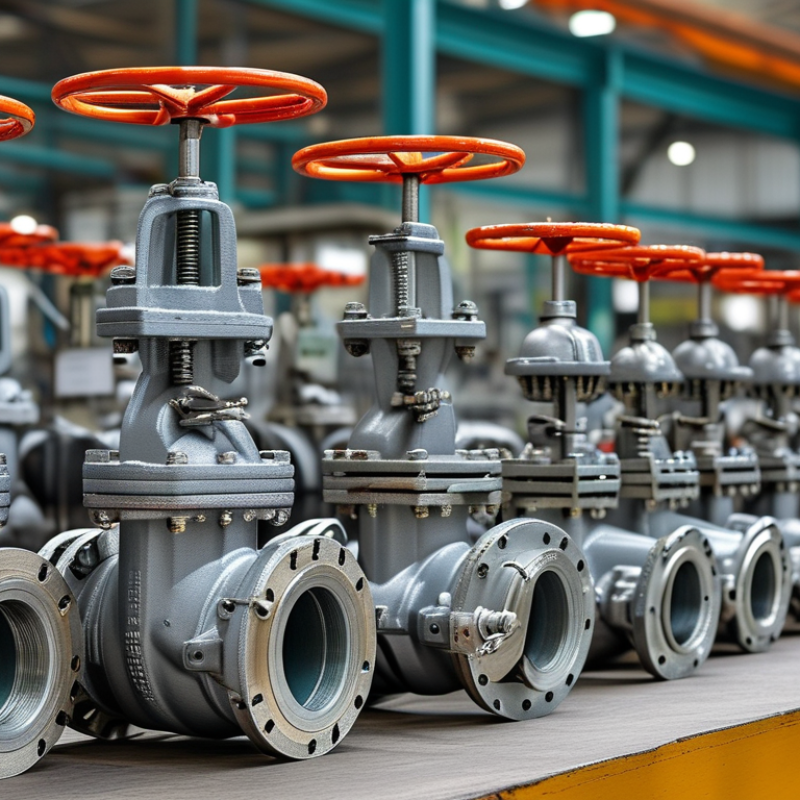
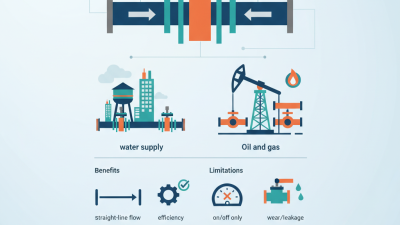
Gate valves are essential in various industries, providing reliable control of fluid flow. Their design allows for a straight-line flow, reducing turbulence. This feature is particularly beneficial in industries like oil and gas, water treatment, and chemical processing. With the increasing demand for efficiency and safety, understanding the applications of gate valves has become crucial for buyers.
In water treatment plants, gate valves facilitate the isolation of sections for maintenance. They help conserve water and energy when segments of the system require servicing. In chemical processing, they manage the flow of corrosive substances. A well-functioning gate valve ensures minimal leakage, which is vital for safety in hazardous environments. Each industry has unique needs, highlighting the importance of selecting appropriate valves.
While gate valves offer many advantages, they are not without limitations. In some cases, they may not provide quick shut-off capabilities, which can pose risks in emergency situations. Additionally, long-term use can lead to wear and a decrease in reliability. Buyers should weigh these factors carefully. Understanding the specific application requirements will aid in making informed decisions.
When selecting gate valves for 2026, understanding key features is crucial. Buyers should consider materials, as they impact durability and performance. Common materials include stainless steel, bronze, and cast iron. Each offers unique benefits in terms of corrosion resistance and pressure tolerance. For instance, stainless steel valves excel in harsh environments, while bronze can be more cost-effective for lower pressure systems.
Size and design are also essential. A proper fit ensures seamless operation. Pay attention to the valve's pressure rating. This rating indicates the maximum pressure the valve can handle safely. Inadequate pressure ratings can lead to leaks or failures. Also, consider the ease of maintenance. Valves with simple disassembly features make repairs quicker and less costly.
Buyers must not overlook the importance of certifications. Regulatory compliance guarantees safety and reliability. Look for valves tested and certified by recognized organizations. These certifications provide peace of mind, ensuring that the gate valves will perform as intended. While choosing the right gate valve seems straightforward, many factors require careful consideration. Each detail can significantly affect system efficiency and reliability.
When considering gate valves for 2026, it's essential to evaluate various brands and models. Different designs offer unique features, impacting functionality and reliability. Buyers should factor in materials, pressure ratings, and temperature limits. Stainless steel is common for durability, while brass valves can be cost-effective.
Comparing top brands reveals that each has strengths and weaknesses. Some excel in specific applications, such as water supply, while others are better suited for industrial use. For example, ease of maintenance is a crucial aspect that can influence long-term performance. A valve that is simpler to service can save time and reduce costs in the long run.
It's also important to read user reviews and expert recommendations. Real-world experiences can highlight potential drawbacks that specifications may not cover. Leaning too heavily on features without considering practical usage could lead to oversights. Effective decision-making requires balancing technical specifications with everyday performance. Engaging with industry professionals can provide insights that online resources might lack.
Understanding the pricing of gate valves in today’s market is crucial for buyers. Several factors come into play when determining the cost. Material quality is significant. Valves made from high-grade materials naturally cost more. The manufacturing process also influences prices. Advanced technologies can drive up costs, but they often enhance reliability.
Market demand is another factor. An increase in construction projects can lead to higher prices. Buyers should also consider geographical locations. Shipping costs can vary greatly depending on where the product is sourced. Additionally, seasonal trends may impact availability. These fluctuations can affect pricing unexpectedly.
Buyers often overlook long-term value versus initial costs. Investing in high-quality valves may prevent future maintenance issues. It's wise to assess both immediate and future needs. Researching supplier reliability is equally important. A trustworthy supplier can provide insight into pricing trends. Understanding these dynamics will help buyers make informed decisions.
Gate valves are essential components in many industrial applications. They are primarily used to control fluid flow.
However, these valves can face issues during operation. Regular maintenance can help ensure optimal performance and longevity.
Inspecting gate valves periodically is crucial. Look for signs of corrosion or wear. Check the sealing surfaces for any damage.
If the valve leaks, it may need a new seat or a reseating process. Cleaning the valve can also prevent blockages.
Proper lubrication of moving parts ensures smooth operation.
Troubleshooting is also vital. If a valve fails to open or close, it could be due to debris inside. Sometimes, the actuator may malfunction.
Identifying these problems quickly can save time and resources. It’s essential to have a checklist for regular inspection.
A well-maintained gate valve can significantly reduce downtime and extend service life.