The grease zerk, a staple in machinery maintenance, ensures smooth operation and longevity. Industry reports indicate that systems with well-maintained grease zerks can increase equipment lifespan by up to 30%. This highlights the critical role of selecting the right zerk options.
Expert Mark Thompson, a lubrication specialist, emphasizes, “Choosing the correct grease zerk can significantly impact machinery efficiency.” Global buyers face a myriad of choices, which can be overwhelming. Understanding the specifications and applications of different grease zerk types is essential for making informed decisions.
Moreover, inconsistencies in grease application can lead to equipment failures. Thus, selecting high-quality grease zerks is vital. Buyers should consider factors such as material durability and design. This nuanced landscape requires careful evaluation, ensuring that partners in the selection process have a track record of reliability.
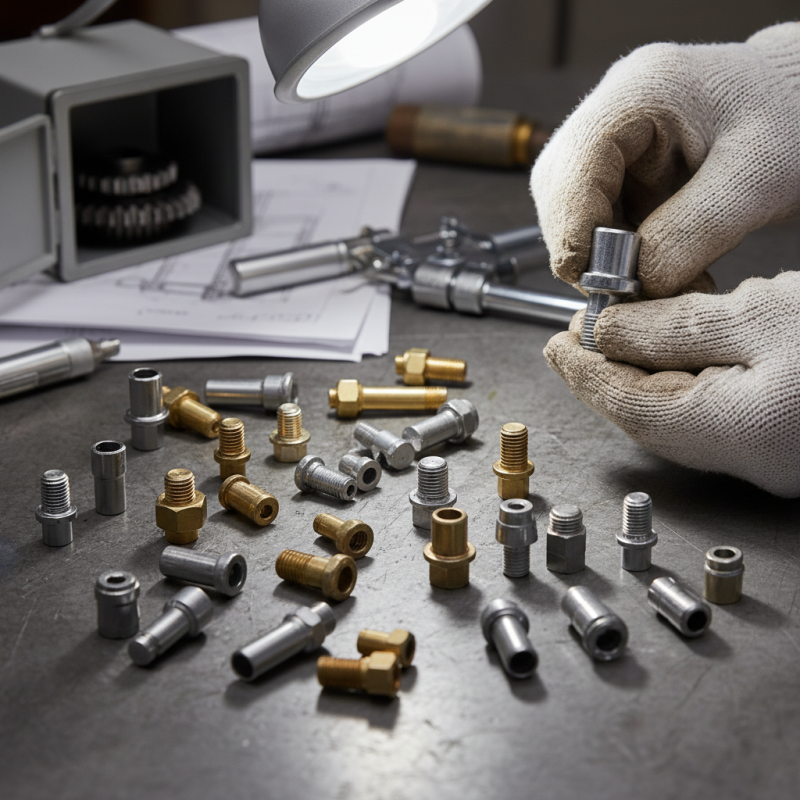
Grease zerks, or grease fittings, are integral to the maintenance of machinery. They enable easy lubrication of moving parts, extending the life of equipment. Understanding the different types available globally aids buyers in making informed choices.
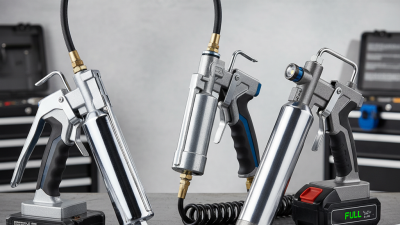
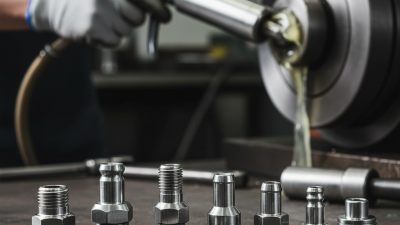
There are various types of grease zerks to consider. Standard zerks, commonly used, fit most machinery. Their simple design ensures effective closure, preventing contaminants. However, they sometimes challenge access in tight spaces. Angled zerks offer a solution for hard-to-reach areas. Their unique shape allows for easier attachment of grease guns.
Some manufacturers provide specialized options. Self-sealing zerks prevent leakage, maintaining a clean workspace. This feature is valuable in reducing maintenance time. However, the trade-off can be difficulty in installation. Additionally, locking zerks enhance security against accidental disconnection. Yet, this design might confuse users unfamiliar with their functionality. Exploring these options ensures a balance between usability and effectiveness.
This chart illustrates the popularity percentages of various grease zerk types globally. Standard Zerk options are the most preferred among buyers, while Flush and Grip Zerk types have a smaller share of the market.
When selecting the right grease zerk, several criteria should be considered for optimal performance. Grease zerks come in various sizes and types, making it essential to align specifications with machinery requirements. Industry reports indicate that improper sizing can lead to over-pressurization and leakage, significantly impeding equipment efficiency.
Durability is another critical factor. Materials used in manufacturing grease zerks vary widely, impacting their lifespan and reliability. Statistics show that stainless steel options often outperform plastic varieties in harsh environments, lasting up to three times longer. It's crucial to assess the operating conditions your zerk will face to ensure longevity.
Compatibility with lubricants also deserves attention. Not all grease types work efficiently with every zerk. Misalignment here can lead to increased wear or even failure. Many professionals suggest using high-quality lubricants that match the specific application to mitigate issues. In today's market, making informed decisions based on these criteria is more important than ever, especially given the rising costs associated with equipment downtime.
| Zerk Type | Material | Thread Size | Pressure Rating (psi) | Application |
|---|---|---|---|---|
| Standard Grease Zerk | Steel | 1/8” NPT | 3000 | Automotive |
| Angle Grease Zerk | Brass | 1/4” NPT | 4500 | Industrial Machinery |
| Button Head Zerk | Stainless Steel | M6 | 5000 | Agricultural Equipment |
| Threaded Grease Zerk | Aluminum | 1/4” BSP | 2500 | Construction |
| Mini Grease Zerk | Plastic | M4 | 1500 | Small Machinery |
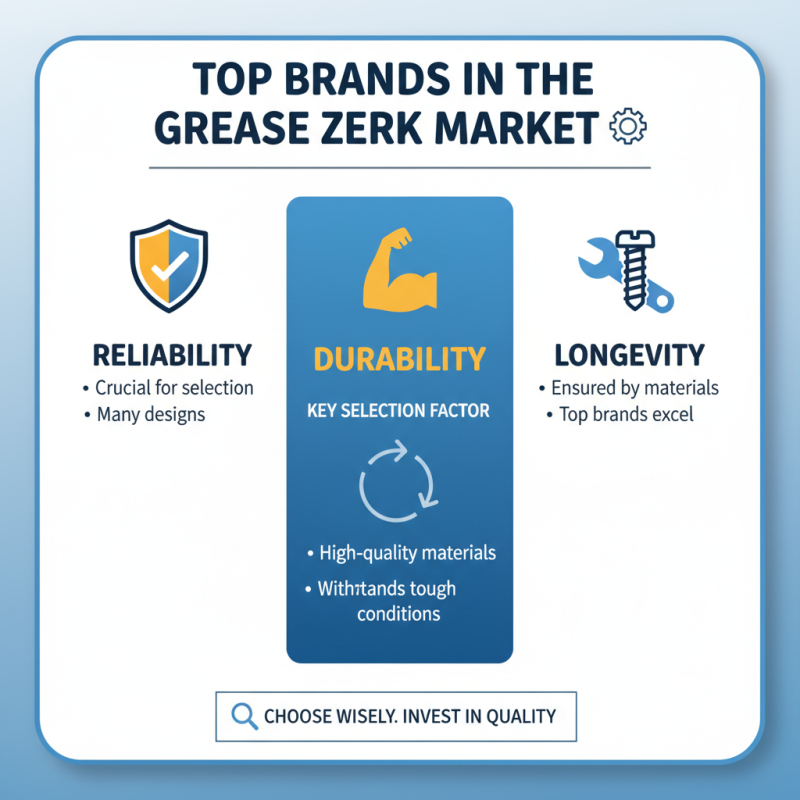
When exploring grease zerk options, it’s crucial to consider the reliability of top brands in the market. Many companies offer a variety of designs and features. Durability is often the key factor in selecting a zerk. The best brands typically use high-quality materials to ensure longevity. Look for products that can withstand tough conditions.
Another important aspect is compatibility. Different machinery requires specific zerk sizes and threads. Knowing your equipment’s requirements can help narrow choices. Some brands provide universal options, which can be convenient. Additionally, consider the ease of installation. A well-designed zerk can save time during maintenance.
While there are reliable options, not all brands meet expectations. Some may have inconsistent quality. User reviews can shed light on performance issues. It’s wise to research customer feedback before making a decision. In the end, balancing quality and cost should guide your purchases.
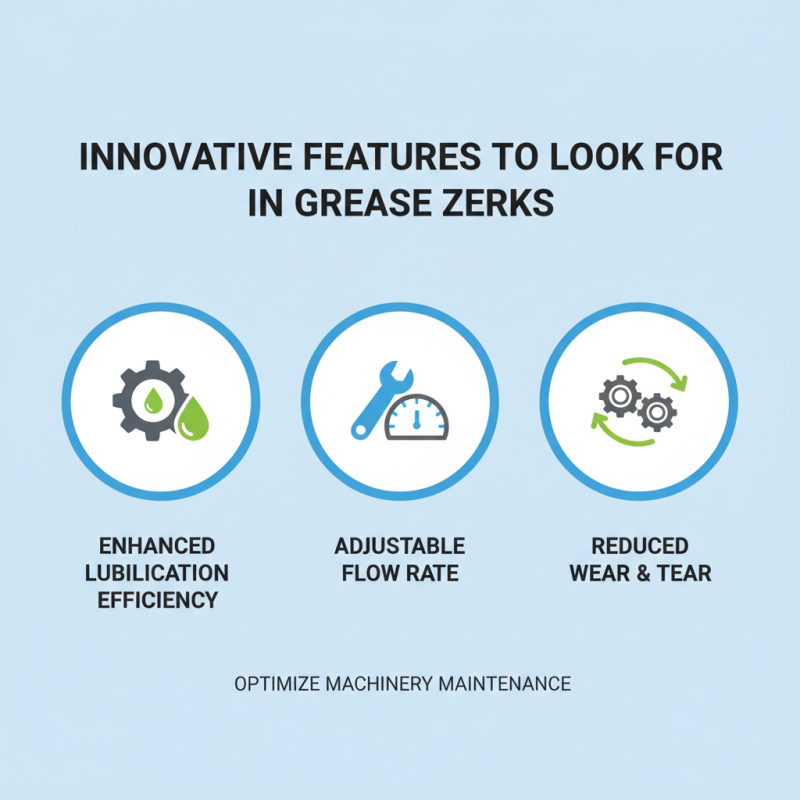
When exploring grease zerk options, it's crucial to understand their innovative features. These components play a significant role in machinery maintenance. A well-designed grease zerk enhances lubrication efficiency. This reduces wear and tear on moving parts. An adjustable flow rate is a feature to look for. It allows operators to manage lubrication needs based on specific applications.
Another important aspect is the material used in construction. Durable materials resist corrosion and withstand harsh environments. Some zerks offer self-cleaning capabilities, which can prolong their lifespan. This technology minimizes the risk of grease contamination. However, not all grease zerks are created equal. Some may have limited compatibility with certain grease types or machinery designs.
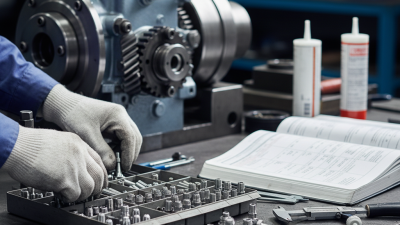
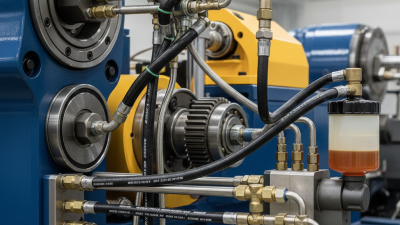
Ease of installation is also worth considering. Quick-connect fittings can save valuable time during maintenance. A reliable zerk should require minimal tools for installation. Additionally, look for designs that provide visibility for checking grease levels. While many zerks meet basic standards, focusing on these advanced features can yield better performance. Testing different designs and configurations can guide buyers to the best option. Always keep in mind that ongoing maintenance leads to optimal machinery function.
When considering grease zerk options, buyers must focus on pricing and value. A recent industry report indicated that the grease zerk market is expected to grow by 5.6% annually over the next five years. Understanding the cost dynamics can help in making informed decisions.
Typical prices for grease zerks vary widely. Basic models range from $0.50 to $2 each. High-performance options can go up to $10 per unit. The discrepancies often relate to material quality and durability. For industrial use, investing in higher-end zerks might be worthwhile. These options often provide enhanced longevity and reliability.
Tips: Always check for specifications that align with your equipment. Ensure compatibility to avoid future issues. Bulk purchases can lead to significant savings. Consider suppliers that offer volume discounts, which can make higher-quality zerks more affordable.
A common oversight is neglecting maintenance. Regular checks on grease zerk integrity are crucial. A worn-out zerk can lead to lubrication failures, resulting in costly repairs. Investing in reliable zerks pays off in the long run. Always reassess your grease zerk choices based on equipment performance and operational demands.