Choosing a 4 inch gate valve manufacturer is not simply a matter of comparing catalog prices. Global buyers must examine pressure ratings, body materials, end connections, sealing performance, and documented quality controls. A valve may look suitable on paper, yet fail when exposed to abrasive water, high-temperature oil, or repeated pipeline cycling. Small details matter. A stainless steel stem, for example, can reduce corrosion around a coastal pumping station.
Greg Johnson, a long-time valve-industry educator and former United Valve president, often stresses the importance of application-based selection: “A valve must fit the system, not merely the pipeline.” This principle should guide every manufacturer comparison. The strongest suppliers explain where their products perform well, where they do not, and how testing supports their claims. That honesty is valuable.
This guide reviews four leading 4 inch gate valve manufacturers serving international buyers. It considers manufacturing experience, technical documentation, material traceability, customization, delivery capability, and after-sales support. Certifications deserve attention, but certificates alone do not prove dependable field performance. Buyers should also request inspection records, pressure-test results, coating specifications, and realistic lead times.
There is no perfect supplier.
A manufacturer with excellent engineering may offer slower delivery. Another may provide competitive pricing but limited regional support. These trade-offs require careful review. Our comparison aims to make that process clearer, while recognizing an uncomfortable reality: product quality can vary between production batches, distributors, and project conditions. That uncertainty deserves direct questions before purchase.
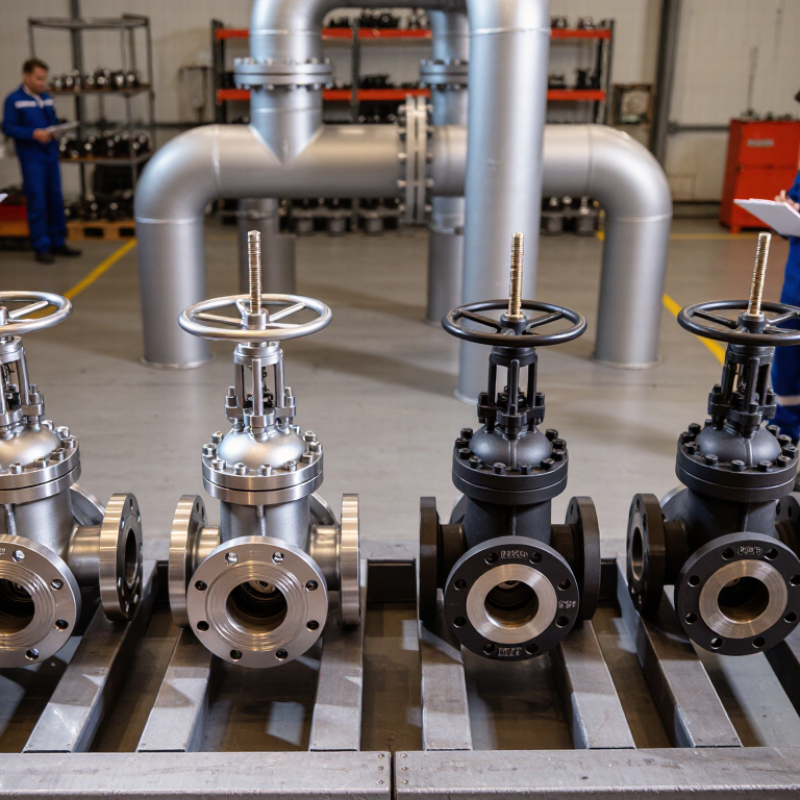
A 4-inch gate valve is a quarter-turn? No. It uses a rising or non-rising stem to lift a wedge or slab gate vertically. “Four-inch” usually means NPS 4, approximately DN100. It describes nominal pipe size, not the exact internal bore. When fully open, the gate leaves a nearly straight flow path. This helps reduce pressure loss in pipelines carrying water, oil, gas, steam, or process fluids. It is not a good throttling device. Partial opening can cause vibration, seat damage, and accelerated erosion.
These valves commonly appear in municipal water mains, fire-protection lines, refinery piping, power plants, and large building services. A 2024 MarketsandMarkets report estimates the industrial valves market will grow from about USD 77.7 billion in 2024 to USD 100.3 billion by 2029. That growth reflects broad industrial demand, not automatic suitability for every line. The assumption is easy to make, and often wrong.
For global buyers comparing four established manufacturers, practical verification matters more than catalog claims. Check pressure class, body material, trim, end connection, temperature range, and certified testing. API 600, API 598, ASME B16.10, and ISO 5208 provide useful reference points for design, dimensions, and inspection. In the field, a handwheel may feel smooth while the valve still leaks internally. Request hydrostatic and seat-test records. Also confirm coating thickness and packing materials for the actual service. A 4-inch valve can look compact on a drawing, yet its actuator clearance may block a narrow maintenance aisle. That detail deserves more attention.
Choosing a reliable 4-inch gate valve manufacturer requires more than comparing catalog prices. Global buyers should examine design experience, production controls, and documented field performance. Ask whether the supplier understands water, oil, gas, chemical, or industrial service conditions. A valve suitable for clean water may fail in abrasive or corrosive media.
Technical compliance is essential. Review applicable pressure ratings, face-to-face dimensions, material specifications, and inspection procedures. Request certificates for body castings, stem materials, and sealing components. Hydrostatic and seat leakage test reports should identify each valve clearly. Traceability matters. It supports faster investigation when a problem appears years later. Independent inspection can add confidence, especially for large or repeated orders.
Manufacturing quality also depends on details that brochures often hide. Check machining tolerances, coating preparation, actuator compatibility, and storage protection. Review production capacity against your delivery schedule, not just the promised lead time. Ask how the manufacturer handles nonconforming products and warranty claims. Clear answers reveal operational maturity. Vague answers are a warning.
Experience should include similar projects, export documentation, and support across time zones. Communication is part of reliability. Still, no evaluation checklist is perfect. A factory visit may show excellent equipment but weak process discipline. A polished certificate may not reflect every production batch. Request samples, audit records, reference projects, and realistic testing evidence before approving a supplier. Price remains important, but premature savings can become replacement costs.
For international buyers, the top four 4-inch gate valve manufacturers should be judged by evidence, not catalogue claims. One should specialize in API 600 carbon-steel valves for oil, gas, and water pipelines. Another should focus on stainless steel or alloy bodies for corrosive service. The third should provide electric or pneumatic actuation and documented control integration. The fourth should offer flexible OEM production, export packaging, and traceable spare parts. Each supplier should provide pressure-test records, material certificates, and dimensional drawings before purchase.
A 4-inch valve may look standard, but pressure class changes wall thickness, weight, and cost. API 600 and ISO 5208 are useful benchmarks for design and leakage testing. MarketsandMarkets valued the industrial valves market at about USD 78.8 billion in 2023, with continued growth expected through 2028. That expansion increases supplier choice, but also increases inconsistent quality. Check whether the manufacturer tests every unit or only samples production batches.
Field experience suggests that resilient-seated valves suit many water systems, while metal-seated designs handle higher temperatures and harsher media. Ask about stem material, wedge guidance, coating thickness, and end connections. Request production photographs. Small details matter. The cheapest quotation can still win, but only after freight, inspection, and replacement risks are calculated. Our shortlist is not flawless; factory audits remain necessary.
Top 4 Inch Gate Valve Manufacturers for Global Buyers?
Product, Certification, and Performance Comparison
Choosing a 4-inch gate valve requires more than comparing prices. Leading manufacturers usually offer cast or forged bodies, resilient or metal-seated wedges, and flanged ends. Rising-stem designs make position checks easier during maintenance. Some suppliers also provide electric or pneumatic actuation for remote systems. The product must match pressure class, temperature, media, and installation space.
Certification separates reliable suppliers from ordinary catalog sellers. Buyers should verify API 600 or API 602 compliance, ASME B16.34 dimensions, and API 598 pressure testing. Fire-safe service may require API 6FA or ISO 10497 certification. For sour environments, documentation against ISO 15156 or NACE requirements is important. ISO 9001 supports production control, but it does not guarantee perfect valve performance.
Performance depends on sealing consistency, stem strength, coating quality, and cycle testing. A valve that closes smoothly in a workshop may behave differently after months of corrosion, vibration, or thermal changes. This is often overlooked. Request material certificates, inspection records, test curves, and traceable serial numbers before purchase. Independent inspection can expose gaps between advertised performance and actual production. No manufacturer fits every application. A lower-cost valve may be reasonable for clean water, but risky for abrasive slurry or high-temperature process service.
| Manufacturer Profile | Typical 4-Inch Product Configuration | Pressure Class | Primary Design Standards | Body and Trim Options | Certification and Compliance | Temperature Range | Sealing and Performance | Actuation Options | Global Buyer Considerations |
|---|---|---|---|---|---|---|---|---|---|
| Manufacturer Profile A | 4 in NPS full-bore bolted-bonnet gate valve; rising stem; outside screw and yoke design; flanged ends | ASME Class 150 and 300 | API 600; ASME B16.34; ASME B16.5; API 598 | ASTM A216 WCB carbon-steel body; 13% chromium stainless-steel trim; flexible graphite packing and gasket | API 6FA fire testing; ISO 15848-1 fugitive-emission option; NACE MR0175/ISO 15156 materials option | -29°C to 200°C with standard soft packing; final limits depend on seat and gasket materials | Metal-to-metal gate seating; bidirectional shutoff; low pressure drop when fully open; hydrostatic shell and seat testing available | Handwheel; chainwheel; electric actuator; pneumatic actuator | Suitable for general oil, gas, water, and process-piping duties where a compact, maintainable flanged valve is required |
| Manufacturer Profile B | 4 in NPS slab-gate valve; through-conduit full-bore passage; rising stem; bolted or pressure-sealed bonnet configuration | ASME Class 150, 300, 600, and 900 | API 6D; ASME B16.34; ASME B16.5 or B16.47; API 598 | Forged or cast carbon-steel body; 316 stainless-steel or nickel-alloy trim; resilient or metal-seat variants | API 6D; ISO 14313; API 6FA; ISO 15848-1 option; NACE MR0175/ISO 15156 option | -46°C to 200°C for selected low-temperature and standard configurations | Full-bore design supports pipeline pigging; double-block-and-bleed capability on suitable configurations; low fugitive-emission packing option | Manual handwheel; gearbox; electric actuator; pneumatic or hydraulic actuator | Strong choice for transmission pipelines, isolation service, and projects requiring pipeline-standard documentation |
| Manufacturer Profile C | 4 in NPS wedge gate valve; flanged-end construction; non-rising stem option available for restricted headroom installations | ASME Class 150 and 300; selected Class 600 designs | API 600; BS 1414; ASME B16.34; API 598 | ASTM A216 WCB or stainless-steel body; 410 stainless-steel, 316 stainless-steel, or hard-faced trim; graphite packing | ISO 9001 quality system; API 6FA fire-safe option; NACE-compliant materials available by project specification | -29°C to 400°C depending on body, packing, gasket, and seat materials | Resilient-seat or metal-seat versions; bidirectional isolation; graphite packing supports elevated-temperature service; cavity relief may be specified | Handwheel; bevel gearbox; electric actuator; pneumatic actuator | Appropriate for refineries, chemical plants, utilities, and higher-temperature process applications |
| Manufacturer Profile D | 4 in NPS forged-body gate valve; compact bolted-bonnet design; flanged or butt-weld-end options for process systems | ASME Class 150, 300, and 600 | ASME B16.34; API 602 for applicable compact forged designs; API 598; ASME B16.5 | A105 forged carbon-steel body; F316 or F304 stainless-steel trim; hard-faced seat surfaces available | ISO 9001; API 6FA fire-safe option; ISO 15848-1 emission-control option; material traceability documentation | -29°C to 350°C for commonly specified material combinations | Compact pressure boundary; suitable for frequent maintenance access; metal-seat configuration supports demanding process isolation; test certificates available | Handwheel; gearbox; electric actuator; pneumatic actuator | Useful where installation space, material traceability, and configurable end connections are important procurement criteria |
Choosing a 4-inch gate valve manufacturer starts with your project conditions, not a glossy catalog. I compare line pressure, temperature, fluid type, pipe schedule, and connection standards. A valve for clean water may fail early in abrasive slurry. Ask for body, wedge, stem, and seat materials in writing. Also check whether the manufacturer has produced similar valves for comparable service. Practical evidence matters more than general claims. Test reports should identify serial numbers, pressure limits, and inspection results.
A reliable supplier explains design limits clearly. Look for traceable material certificates, documented quality controls, and pressure testing under recognized standards such as API or ASME, where applicable. Confirm face-to-face dimensions and actuation options before ordering. One overlooked dimension can delay installation. Review lead times, spare parts, warranty terms, and technical response times. A responsive engineer who asks difficult questions is often safer than a low-price seller. Still, paperwork can look impressive and hide weak production discipline.
Before approval, request a sample inspection plan, drawing review, and a video or in-person factory audit when practical. Examine machining, coating thickness, storage conditions, and final packaging. For critical projects, use an independent inspector for witness testing. I have seen decisions rely too heavily on price. That mistake is expensive. Recheck every assumption against actual site conditions, because a standard 4-inch valve may not fit a nonstandard system.