A grease gun looks simple: a barrel, a lever, and a coupler pressed against a fitting. Yet the wrong tool can make routine maintenance slow, messy, or inconsistent. The U.S. Department of Energy’s Operations & Maintenance Best Practices guide identifies lubrication as a core preventive-maintenance practice. That matters on a workshop bench, farm, or factory floor, where a bearing may need a measured shot of grease—not a guess.
Reliability author Heinz P. Bloch’s published work emphasizes the role of proper lubrication in machinery reliability. The practical takeaway is straightforward: choose a gun that delivers grease in a way suited to the machine and the job. This guide compares the best grease gun options by power source, pressure, capacity, control, and ease of handling. A cordless model may save effort across many fittings; a manual lever gun can offer better control in tight spaces. Neither wins every time.
Small details count. Look for a secure coupler, a barrel that loads without a wrestling match, and a hose that reaches recessed fittings. Then check whether the gun suits the grease cartridge or bulk-loading method you actually use. The comparison also has limits: product specifications cannot predict every user’s grip, maintenance routine, or equipment condition. Weigh those factors before buying. A few minutes spent matching the tool to the task can prevent frustration later.
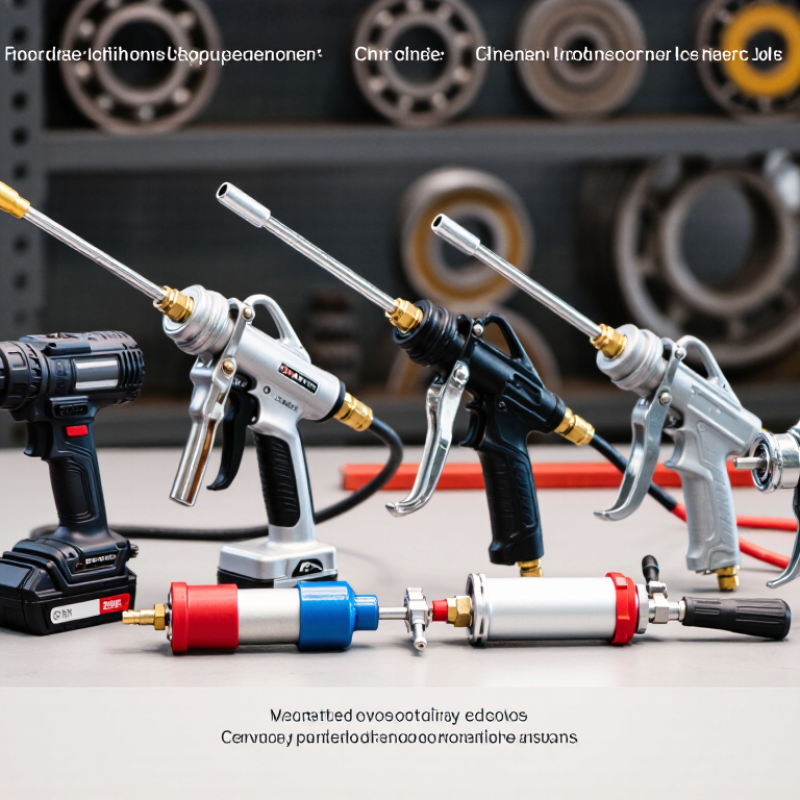
A grease gun moves lubricant from a cartridge or reservoir through a narrow hose to a machine’s grease fitting. Inside, a plunger pushes grease forward when the handle or trigger is operated. The pressure forces it through the coupler and into the fitting, where it reaches moving parts such as bearings and joints. Hand-operated models are common for routine maintenance; powered models can help when many fittings need servicing. That matters. A blocked fitting or poorly seated coupler can make grease leak around the connection instead of entering the part.
Before use, wipe dirt from the fitting and check the equipment manual for the specified grease and service interval. Press the coupler squarely onto the fitting, then pump slowly while watching for resistance or escaping grease. Stop when the manufacturer’s guidance indicates the part is full; extra pressure can damage seals. Not always obvious. The awkward part is reaching fittings tucked behind a wheel or frame, where a flexible hose helps but can also kink. Afterward, release pressure before removing the coupler, wipe away excess grease, and clean the tool’s tip. Those small habits reduce mess and help prevent grit from entering the connection.
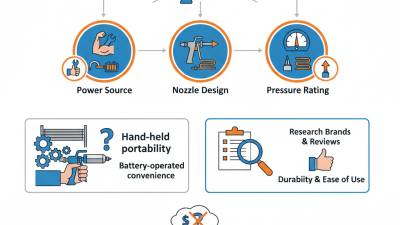
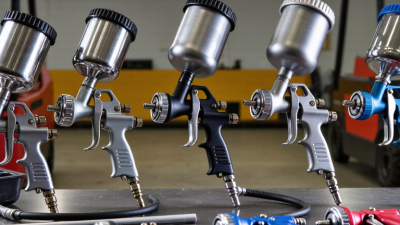
Grease guns mainly differ by power source, output control, and portability. A manual lever gun suits workshop use and delivers strong pressure through repeated strokes. Its long handle can reach fittings on a tractor axle, though it needs both hands. A pistol-grip model is easier to operate one-handed in tight spaces, but may feel tiring during extended work. Battery-powered guns reduce pumping effort and help with frequent service jobs. Pneumatic guns provide steady delivery when a compressor is available, but hoses limit movement.
The NLGI 2022 Global Grease Production Survey estimated worldwide grease production at about 1.1 million metric tonnes. This figure reflects grease’s broad role in equipment maintenance, not a need for any particular gun. Selection still depends on fitting access, daily volume, and how carefully grease must be metered. Too much grease can make a mess or damage seals, so maximum pressure is not automatically an advantage. I would check the manual’s output per stroke before choosing; that detail is easy to overlook.
Tips: Match the coupler to the fitting, wipe the nipple clean, and count strokes. Test on scrap first. A small test can prevent a costly mistake.
Choosing a grease gun starts with the fitting, not its headline pressure. Check whether your equipment has standard or hard-to-reach grease fittings, and confirm the coupler fits before buying. A loose coupler wastes grease; forcing a locked one can damage the fitting. Small detail. Big consequence.
Match the gun’s output and drive type to the job. A manual lever model offers control for occasional servicing, while a pistol-grip model may be easier to handle in tight spaces. For frequent work, pneumatic or battery-powered options can reduce repeated hand effort. Compare grease delivered per stroke, reservoir capacity, hose length, and pressure rating—not peak pressure alone.
NIOSH’s alert, Preventing Injuries from High-Pressure Injection of Paint, Grease, and Other Materials, warns that injection injuries can occur at pressures as low as 100 psi. Never check a leak with your fingers; depressurize the gun before clearing a blockage.
NLGI’s 2023 grease production survey estimated global output at roughly 1.1 million metric tonnes, reflecting the wide range of greases used across equipment and industries. Check the equipment manual for grease compatibility. It is easy to overlook.
Weight, grip comfort, seal quality, and parts availability may matter more over a full shift than an impressive pressure figure.
A grease gun should match the task, not just the machinery. A manual lever gun suits workshop users who need steady control and can work with both hands. A pistol-grip model is easier to operate one-handed around a small tractor or trailer. For frequent maintenance across several machines, a battery-powered gun can save effort. It is heavier, though, and needs charging.
Air-powered guns fit busy shops with a compressor nearby. They deliver grease quickly, but pressure control matters near delicate seals. A compact mini gun can reach tight fittings on bicycles or small equipment, while a high-pressure model helps with stubborn joints. Flexible hoses reach recessed zerks; rigid extensions offer better control in open spaces. Details count. Check that the coupler fits your fittings before buying.
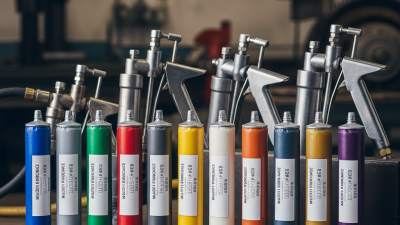
For occasional home repairs, a simple hand-operated gun is often enough. Fleet mechanics may prefer a larger-capacity model that reduces refills during a long shift. Bulk-loading designs can speed up replenishment, but clean loading takes practice. Grease can trap grit, and contamination may damage bearings. Wipe fittings before connecting the coupler, then use only the grease specified for the machine. No single option is perfect. Hose length, barrel size, grip comfort, and service access can matter more than advertised pressure.
Before using a grease gun, inspect its barrel, hose, coupler, and fittings for cracks or leaks. Wear safety glasses and work gloves. Grease can escape under high pressure, so never point the nozzle at your skin or test a blockage with your fingers. Keep the work area steady and well lit. Small details matter.
Clean the fitting before attaching the coupler; dirt pushed into a bearing can cause avoidable wear. Connect the nozzle securely, then apply grease in short, controlled strokes. Stop when you feel firm resistance or see the seal begin to move. More grease is not always better. If the coupler sticks, release pressure according to the tool’s instructions before removing it. A high-pressure grease injury may look minor at first but needs urgent medical care.
After use, wipe away excess grease and clean the nozzle. Store the gun with pressure relieved, away from heat and dust. Check seals and hoses regularly, and replace damaged parts rather than improvising a repair. Even careful users sometimes leave grease on a handle or miss a worn seal; I would not treat either as harmless. A clean, maintained tool is easier to control and less likely to contaminate the equipment being serviced.
A practical routine for manual, pneumatic, and cordless grease guns. Intervals are general guidance, not universal requirements; follow the tool manufacturer’s instructions and inspect the gun before use.
The chart uses approximate days between routine checks: 1 means before or after each use, 7 means weekly, 30 means monthly, and 90 means quarterly. Stop using a gun with a damaged hose, leaking connection, or other visible defect. Never point a grease gun at yourself or anyone else; high-pressure grease can cause serious injection injuries.