Reliable lubrication hardware rarely attracts attention until a machine stops. A zerk fitting can be small, yet its thread accuracy, ball-check performance, and corrosion resistance influence maintenance results. Global buyers therefore need more than a supplier list. They need evidence.
Grand View Research estimates the global industrial lubricants market reached about USD 70 billion in 2023 and expects continued growth through 2030. Mordor Intelligence also identifies manufacturing, construction, mining, and automotive equipment as important lubricant-consuming sectors. These figures do not measure zerk fitting sales directly. However, they show the expanding equipment base that depends on dependable grease delivery. The connection is practical, not perfect.
This guide examines China’s top 10 zerk fitting manufacturers for global buyers. It considers product range, machining capability, material options, surface treatment, thread standards, quality control, export experience, and customization support. Buyers should check whether fittings match ISO, SAE, BSP, or other required specifications. They should also request dimensional drawings, pressure data, salt-spray results, batch records, and sample approvals before placing volume orders. Details matter here.
Our assessment draws on manufacturer documentation, recognized lubrication guidance, and market research from established industry publishers. It also reflects purchasing realities, including minimum order quantities, packaging, lead times, and communication quality. A polished website is not proof of consistent production. Factory evidence matters more.
No ranking is flawless. Supplier performance can change with tooling, materials, and inspection discipline. For that reason, this article encourages technical verification rather than blind acceptance. The strongest manufacturers should offer repeatable fittings, traceable materials, responsive support, and clear commercial terms. That is what global buyers actually need.
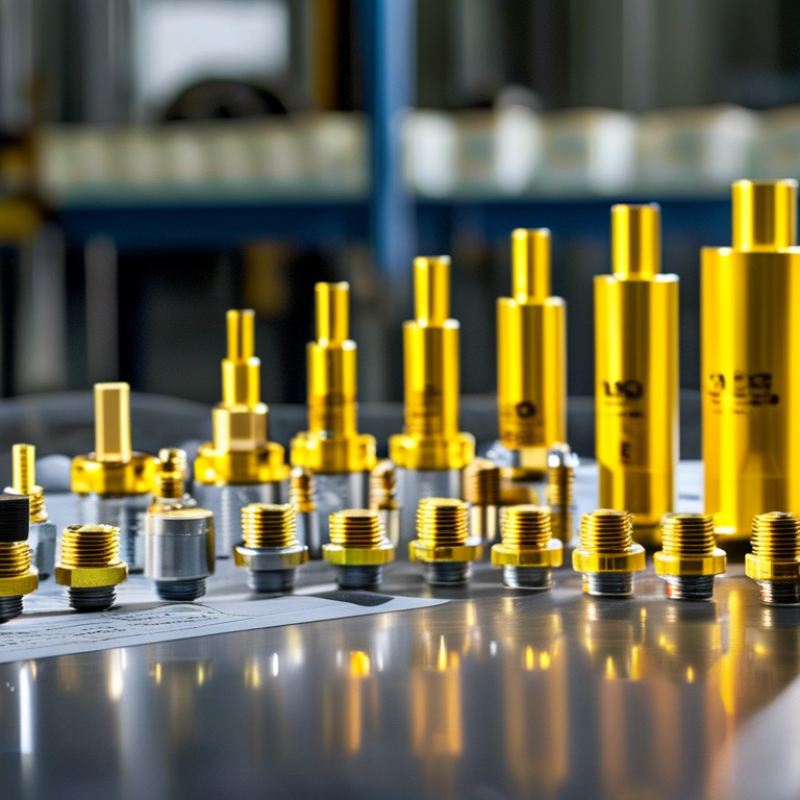
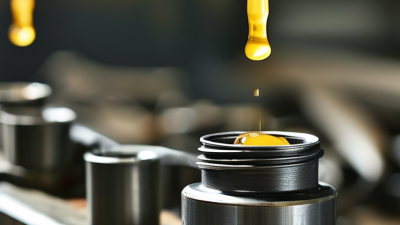
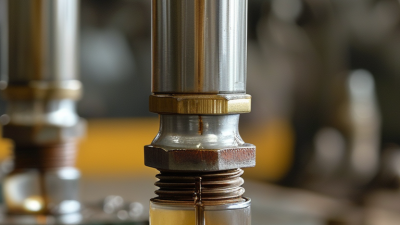
Zerk fittings, also called grease fittings, are small valves that guide lubricant into bearings, joints, and moving assemblies. A spring-loaded ball normally seals the passage after greasing. When a grease gun applies pressure, the ball moves inward and allows lubricant to pass. Their design is simple, but small errors can cause serious maintenance problems.
Global buyers need suppliers that understand real equipment conditions. A fitting may face vibration, moisture, dust, heat, or repeated pressure from a grease gun. Material choice matters. Carbon steel, stainless steel, and protective coatings serve different operating environments. Thread accuracy matters too. A fitting that feels tight may still leak if its thread standard is incorrect. That mistake can stop a machine.
Reliable manufacturers should provide clear drawings, material information, dimensional inspection, and practical sample testing. Good factories check ball movement, thread gauges, surface finish, and corrosion resistance. Consistent packaging also protects threads during long-distance shipping. Ask for batch traceability. It helps connect a failed part with its production records.
In field work, I have seen lubrication issues blamed on poor grease when the fitting was actually blocked. It is an easy assumption, and often wrong. Supplier communication should include application temperature, thread type, working pressure, and installation tools. Cheap fittings can reduce purchasing costs, but inconsistent sealing may increase maintenance time. A dependable supplier proves performance before large orders, not after complaints.
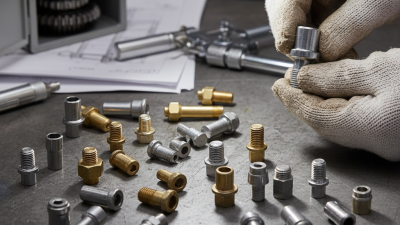
Selecting China’s top 10 zerk fitting manufacturers requires more than checking online rankings. Global buyers need evidence from factory experience, production records, and technical documentation. We reviewed manufacturers with established machining capabilities and consistent experience in grease fitting production. Their processes were assessed through material control, thread accuracy, surface treatment, and assembly checks.
Details matter. A reliable supplier should identify steel grades, coating thickness, pressure limits, and thread standards clearly. Sample fittings were considered for clean threads, smooth ball movement, and secure spring retention. Quality systems also mattered, including incoming inspection, in-process testing, final sampling, and batch traceability. Export experience helped reveal whether packaging could protect small fittings from moisture and mixed-part damage.
Cost was not treated as the main advantage. Low prices can hide unstable dimensions or weak plating. We also examined customization support, minimum order flexibility, communication speed, and responses to technical questions. Customer feedback was useful, but it was not accepted without careful comparison. Factory audits and recent samples remain stronger evidence.
The selection process is practical, yet imperfect. Public information may be incomplete, and supplier performance can change after evaluation. Some manufacturers provide impressive documents but limited production depth. Others offer solid workmanship with less polished communication. Buyers should request current samples, inspection reports, and a clear corrective-action process before placing large orders. Small details can expose larger risks.
China’s leading zerk fitting suppliers differ in process, materials, and quality control. The first profile covers cold-forging specialists producing standard carbon-steel fittings at high volume. The second focuses on CNC-machined miniature fittings for compact machinery. The third serves agricultural equipment makers. The fourth supplies heavy-duty lubrication points for construction equipment.
The fifth profile represents stainless-steel specialists for humid or corrosive environments. The sixth combines automatic assembly with batch traceability. The seventh offers customized threads, angles, and protective caps. The eighth concentrates on hydraulic and industrial maintenance systems. The ninth supports private-label export programs. The tenth emphasizes laboratory testing, including thread gauges, pressure checks, and salt-spray evaluation.
UNIDO’s 2024 International Yearbook of Industrial Statistics states that China generated about 31.6% of global manufacturing value added in 2022. This scale supports competitive sourcing, but it does not guarantee consistent fitting performance. ISO 9001 certification helps, though factory-level audits remain important. A polished catalog is not proof. No shortlist is perfect.
Tips: Ask for DIN 71412 or SAE J534 compatibility, material certificates, coating specifications, and sample inspection records. Confirm grease passage size with actual gauges. Request recent test results, not only template documents. Buyers should also compare minimum order quantities, packaging protection, and replacement support. A lower unit price can hide burrs, weak plating, or inconsistent threads. That risk deserves attention.
For global buyers comparing the top ten zerk fitting manufacturers, standards should come before price. SAE J534 defines common lubrication fitting dimensions, thread forms, and functional requirements. DIN 71412 adds widely used metric and hydraulic fitting specifications. These references help buyers check thread accuracy, ball retention, and grease passage consistency. A fitting may look identical but still fail during installation. Small details matter.
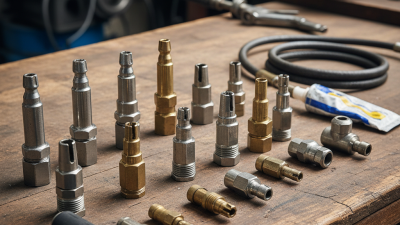
Material selection changes service life. Zinc-plated carbon steel suits general machinery and controlled indoor conditions. Stainless steel, commonly 304 or 316, is better for moisture, washdown areas, and moderate chemical exposure. Brass can support specific low-corrosion applications, but it may not tolerate every pressure or vibration condition. ISO 9227 salt-spray testing can support corrosion comparisons, although laboratory hours do not perfectly predict field performance. That limitation deserves attention.
Customization often includes thread size, angle, head profile, dust caps, surface coating, and automatic lubrication compatibility. A 2024 Grand View Research report estimated the industrial lubricants market at roughly USD 68 billion in 2023, with growth projected at about 3.4% annually through 2030. This growth increases demand for interchangeable parts and traceable quality records. Buyers should request material certificates, dimensional inspection data, pressure-test results, and batch identification. Catalog quantity is not proof of manufacturing depth. I would also verify samples before approving large orders, because supplier documentation can be incomplete.
Anonymized supplier benchmark based on commonly used international fitting standards, engineering materials, manufacturing processes, and export-oriented customization practices.
| Rank | Anonymous Manufacturer Profile | Typical Product Scope | Common Reference Standards | Common Materials | Typical Surface Finish | Thread Options | Configuration Options | Customization Capability | Quality Documentation to Request |
|---|---|---|---|---|---|---|---|---|---|
| 01 | Profile A — High-volume standard fittings | Straight, 45° and 90° grease fittings for agricultural, automotive and general machinery applications. | SAE J534; DIN 71412; ISO 4144, where applicable to the selected design. | Carbon steel; stainless steel grades commonly include 304 and 316. | Zinc plating, black oxide or passivated stainless steel. | Metric and Unified inch threads; NPT available by specification. | Drive-in, threaded, self-tapping and button-head styles. | Thread length, body angle, ball-and-spring assembly, plating and packaging. | Material certificate, dimensional report, coating report and batch traceability. |
| 02 | Profile B — Stainless corrosion-resistant fittings | Lubrication fittings for marine, food-processing support equipment and outdoor installations. | SAE J534; DIN 71412; customer drawings and application specifications. | AISI 304 and AISI 316 stainless steel; carbon steel for non-corrosive applications. | Natural stainless finish, passivation or electropolishing by request. | Metric, UNF, UNC and selected pipe threads. | Straight, angled, extended-neck and compact-head designs. | Special lengths, corrosion-resistant springs, seal materials and laser marking. | Stainless material certificate, salt-spray test method, inspection plan and samples. |
| 03 | Profile C — Heavy-equipment fittings | Heavy-duty fittings for construction machinery, mining equipment and industrial joints. | SAE J534; DIN 71412; equipment-maker drawings and validation requirements. | Medium-carbon or alloy steel; stainless steel for selected environments. | Zinc plating, zinc-nickel coating or black oxide according to corrosion requirements. | Metric, UNF, BSP and NPT options subject to design verification. | Heavy-duty button-head, flush, extended and 90° configurations. | High-strength body, reinforced shoulder, special thread engagement and protective caps. | Heat-treatment record, hardness data, dimensional inspection and functional test results. |
| 04 | Profile D — Automated lubrication components | Fittings compatible with centralized lubrication systems and automatic grease dispensers. | SAE J534; DIN 71412; system-specific connector requirements. | Carbon steel, stainless steel and brass for selected low-load components. | Zinc plating, nickel plating or passivated stainless steel. | Metric, UNF, BSPP, BSPT and NPT subject to system compatibility. | Adapters, extensions, restrictors, check-valve fittings and protective caps. | Flow-control features, seal selection, port geometry and tubing interfaces. | Leak test report, flow test data, seal material declaration and drawing approval. |
| 05 | Profile E — Compact and flush fittings | Low-profile fittings for confined spaces, hinges, slides and compact mechanical assemblies. | SAE J534; DIN 71412; application drawing requirements. | Carbon steel, stainless steel and case-hardened steel options. | Zinc plating, black oxide or stainless passivation. | Metric and Unified threads; press-fit versions may be available. | Flush, button-head, recessed and miniature designs. | Custom head diameter, seating depth, hole size, thread length and cap design. | Gauge records, pull-out or retention test data, dimensions and sample approval. |
| 06 | Profile F — Automotive and truck fittings | Standard grease nipples for chassis, suspension, steering and commercial-vehicle assemblies. | SAE J534; selected DIN and JIS design references. | Carbon steel; stainless steel for corrosion-sensitive applications. | Zinc plating, trivalent passivation or black oxide. | UNF, UNC, metric and selected tapered pipe threads. | Straight, 45°, 65°, 90°, self-tapping and drive-type options. | Thread standard changes, angle, length, plating, packaging and kitting. | Material declaration, dimensional report, coating thickness and lot records. |
| 07 | Profile G — Agricultural machinery fittings | Grease fittings for tractors, harvesters, implements and exposed pivot assemblies. | SAE J534; DIN 71412; machinery-specific drawings. | Carbon steel, alloy steel and 304 stainless steel. | Zinc plating, zinc-nickel coating or stainless passivation. | Metric, UNF, UNC and pipe-thread variants. | Long-neck, angled, swivel-adapter, button-head and protective-cap styles. | Extended bodies, special angles, anti-contamination caps and corrosion upgrades. | Salt-spray method, dimensional inspection, material certificate and packaging approval. |
| 08 | Profile H — Industrial OEM fittings | Made-to-drawing fittings for gearboxes, conveyors, machine tools and production equipment. | SAE J534; DIN 71412; ISO 4144 or customer-controlled standards. | Carbon steel, stainless steel, brass and selected alloy steels. | Zinc, nickel, black oxide, passivation or customer-specified treatment. | Metric, Unified, BSP and NPT options. | Custom geometry, adapters, extensions, check balls and sealing arrangements. | Prototype tooling, CNC samples, private-label-neutral packaging and PPAP-style files. | Control plan, first-article inspection, material certificate and process capability data. |
| 09 | Profile I — Export-oriented mixed catalog | Broad catalog covering common metric, Unified, BSP and NPT grease-fitting configurations. | SAE J534; DIN 71412; JIS B 1575 for compatible Japanese-design products. | Carbon steel, 304 stainless steel, 316 stainless steel and brass. | Zinc plating, nickel plating, black oxide and passivated stainless steel. | Metric, UNF, UNC, BSPP, BSPT and NPT. | Straight, angled, button-head, flush, drive-in and self-tapping types. | Mixed-size kits, assortment packaging, custom labels and drawing-based variations. | Certificate of conformity, inspection report, packing list and batch identification. |
| 10 | Profile J — Small-batch engineered fittings | Low-volume and special-purpose fittings for repair, retrofit and replacement applications. | SAE J534; DIN 71412; ISO 4144 or buyer-provided technical drawings. | Carbon steel, stainless steel, brass and selected copper alloys. | Zinc plating, nickel plating, black oxide or custom passivation. | Metric, Unified, BSP and NPT subject to prototype validation. | Non-standard angles, unusual lengths, adapters and replacement geometries. | Rapid prototyping, custom tooling, small minimum order quantities and engineering samples. | First-article report, drawing revision control, material certificate and functional test record. |
Global buyers should evaluate the ten manufacturers through evidence, not catalogue claims. Request material certificates, dimensional drawings, thread specifications, and pressure-test records. Confirm whether fittings use carbon steel, stainless steel, or another approved material for your application. Small differences in thread form can cause leakage, delays, and expensive rework.
Ask each manufacturer for production samples before placing a large order. Inspect surface finish, ball movement, sealing performance, and thread accuracy with calibrated tools. A reliable supplier should explain inspection points and provide traceable batch records. Review factory capacity, minimum order quantities, lead times, packaging methods, and export experience. Photos help, but a live factory audit or independent inspection provides stronger evidence.
Purchase terms require equal attention. Compare quotations using the same material grade, coating, fitting size, packaging, and delivery terms. Clarify warranty coverage and replacement procedures in writing. Check whether the supplier can maintain consistent quality during repeat orders, not only during sampling. I have learned that a perfect sample proves very little without process control. That judgment can be uncomfortable. Buyers should also test compatibility in their own equipment, because laboratory results may not match field conditions. Keep approved samples, inspection criteria, and revision-controlled drawings with the purchase order. A practical supplier communicates quickly, admits limitations, and corrects problems with documented action. Confidence grows slowly.
Reference procurement priorities based on common industrial fitting requirements, including dimensional compatibility, corrosion resistance, pressure performance, traceability, and supply capability.
Buyers should first verify thread type, fitting geometry, and applicable standards such as SAE J534 or DIN 71412. Material and surface-finish documentation are important for corrosion-prone environments, while pressure testing, batch traceability, inspection records, minimum order quantity, lead time, and export documentation help confirm whether a manufacturer is suitable for long-term global supply.