Choosing a button head grease fitting in 2026 is not a minor hardware decision. It affects lubrication access, service speed, component protection, and maintenance costs. A fitting may look simple on a workbench. Its failure can stop a machine in a dusty yard or crowded factory.
Lubrication expert Jim Fitch has repeatedly emphasized, “The right lubricant, at the right time, in the right amount.” That principle also guides fitting selection. A button head grease fitting must match the grease gun coupler, thread standard, pressure needs, and available clearance. Check whether the fitting uses metric or inch threads. Confirm the button diameter before ordering replacements. A small mismatch can cause leakage, poor coupling, or damaged threads.
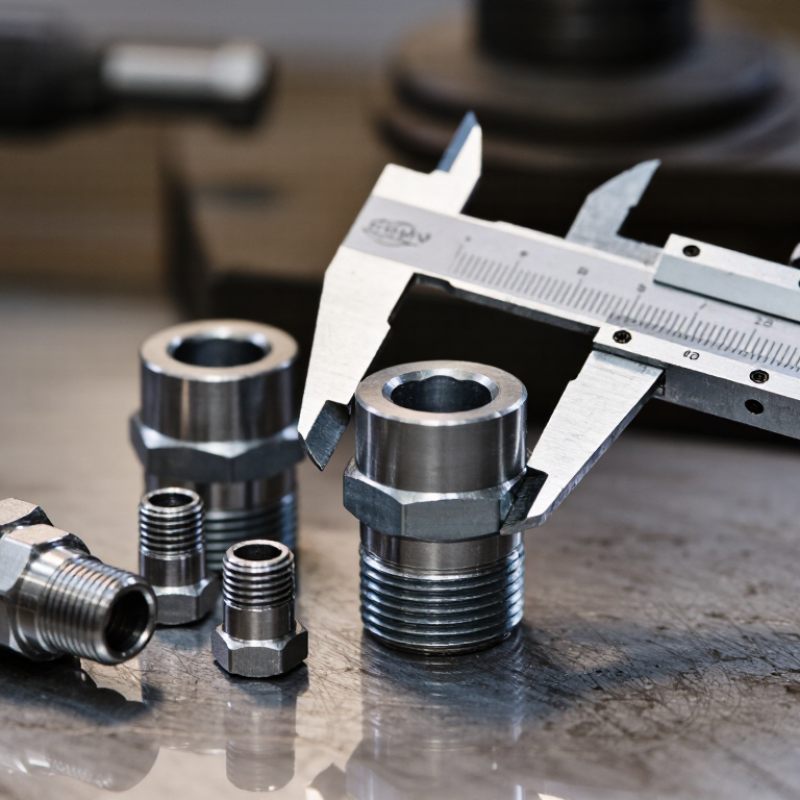
In 2026, buyers should also examine steel grade, surface treatment, sealing design, and corrosion resistance. Outdoor equipment may need zinc-plated or stainless-steel options. Heavy machinery often requires a larger head for fast coupling under difficult conditions. Measure the fitting location with a caliper, not only by visual inspection. That extra minute matters.
Do not choose solely by the lowest unit price. Ten inexpensive fittings can create repeated service problems. Still, premium materials do not guarantee perfect performance. Contamination, over-greasing, and careless installation remain common causes of failure. I have seen maintenance plans overlook access angles entirely. That is a practical weakness worth admitting.
A reliable selection process combines equipment records, manufacturer specifications, field measurements, and technician experience. Compare samples before approving a full purchase. The best button head grease fitting is the one that couples securely, survives its environment, and supports consistent lubrication without unnecessary maintenance delays.
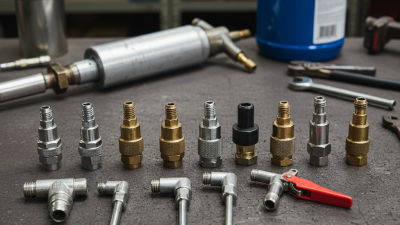
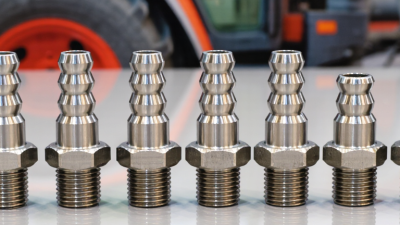
Button head grease fittings are designed for fast, high-volume lubrication. Their broad heads accept matching couplers and help distribute grease through heavy-duty machinery. This design is common on excavators, loaders, agricultural equipment, trailers, and industrial hinges. In field inspections, I have found that head size matters more than many buyers expect. A loose coupler wastes grease and attracts abrasive dust.
The fitting’s thread, body material, pressure rating, and surface protection should match the equipment. Steel fittings suit demanding loads, while corrosion-resistant options work better near water or chemicals. Check the thread standard carefully. A similar-looking thread may still leak or damage the port. Measure the existing fitting before ordering. Small detail. Big consequence.
Application conditions should guide the final choice. Muddy construction sites need a reliable seal and a cleanable head. Frequent lubrication points may benefit from a fitting that connects quickly without repeated adjustment. For low-clearance areas, confirm the fitting’s height and angle first. I sometimes see maintenance teams choose a stronger fitting that cannot be reached easily. That is not a real improvement. Grease compatibility, storage temperature, and service intervals also deserve attention. Manufacturer data remains useful, but actual access and contamination often reveal the better solution.
Start with dimensional compatibility. SAE J534 and DIN 3404 provide recognized references for grease-fitting geometry, thread profiles, and coupling interfaces. Check the thread size, pitch, head diameter, and overall height against the machine drawing. A fitting that looks correct may still cross-thread or sit too high. Metric and tapered pipe threads are not interchangeable. Measure them.
Pressure performance deserves equal attention. Compare the fitting’s working pressure, burst pressure, check-ball design, and grease flow path. The pressure rating must exceed the lubrication system’s normal pressure, not merely match it. Look for corrosion-resistant steel when moisture, washdown, or outdoor storage is expected. Surface treatment matters. So does the seal material, especially when synthetic grease or elevated temperatures are involved.
Maintenance data also supports a practical check. The U.S. Department of Energy’s industrial efficiency guidance identifies lubrication control as a major maintenance factor, while NLGI technical publications emphasize grease compatibility and correct application. These sources do not make every fitting suitable. Confirm coupler engagement in real conditions, including gloves, dirt, and limited access. I have seen oversized heads pass bench tests but fail beside guards. Perfect selection is rare. Recheck the angle, clearance, and actual grease-gun pressure before approving the part.
Choosing button head grease fittings in 2026 starts with accurate measurements, not guesswork. Clean the mounting hole before checking it. Measure the fitting’s outside diameter, thread pitch, and usable length with calipers. A small error can cause leakage or damaged threads.
Match the thread type carefully. Metric threads, UNF threads, and tapered pipe threads are not interchangeable. A straight thread usually needs a sealing washer or suitable seal. A tapered thread seals through its taper, so excessive tightening may crack the housing. Check the equipment drawing whenever possible. If no drawing exists, compare the old fitting with a thread gauge. Do not rely on appearance alone.
The lubrication tool must match the button head profile. Use a grease gun with the correct button-head coupler, not a standard hydraulic coupler. Confirm the coupler reaches the fitting squarely in tight spaces. Test the connection at low pressure first. Grease should enter smoothly without forcing the fitting sideways. Select a fitting material suitable for moisture, heat, and vibration. Stainless steel may suit washdown areas, while plated steel can work in ordinary machinery.
One practical mistake is choosing the largest fitting for durability. Clearance often matters more. Another overlooked detail is the fitting angle. A 45-degree or 90-degree version may improve access, but it can interfere with guards. Recheck the thread after installation. I have seen correct-looking fittings fail because the lubricant, coupler, and thread standard were never checked together.
Material selection should follow the working environment, not the fitting’s appearance. Carbon steel suits sheltered machinery with moderate moisture and controlled temperatures. Stainless steel is safer around washdown areas, salt spray, and corrosive chemicals. However, stainless steel may cost more and still needs correct installation. Corrosion can begin at damaged threads.
Seal choice matters just as much. Nitrile seals perform well with common petroleum greases and moderate heat. For higher temperatures, fluorocarbon seals usually offer better resistance. In cold outdoor equipment, a seal must remain flexible below freezing. A rigid seal can leak before the grease reaches the bearing.
Keep the details visible.
Check the grease type, temperature range, pressure, and cleaning method before ordering. I have seen fittings fail because technicians matched thread size but ignored seal compatibility. That shortcut creates contamination risks and repeated maintenance. Button head fittings also need enough clearance for the coupler and a clean seating surface. In dusty areas, use protective caps and inspect them during scheduled lubrication. Do not assume a premium material solves every problem. Galvanic corrosion, poor alignment, and over-tightening can still shorten service life. A small field test is worthwhile when conditions are uncertain. Examine the seal after several cycles, then adjust the specification.
How to Choose Button Head Grease Fittings in 2026?
Choosing a button head grease fitting starts with the machine, not the catalog. Check thread size, material, sealing method, and available clearance. The fitting must match the grease gun coupler securely. A loose connection wastes grease and hides poor lubrication. For outdoor equipment, corrosion-resistant materials and protective caps are practical choices. In high-load joints, verify the fitting’s pressure rating against the service manual. Do not guess.
Installation quality affects service life. Clean the housing before removing the old fitting. Dirt can enter the bearing within seconds. Apply suitable thread sealant only where specified, then tighten the fitting to the recommended torque. Over-tightening may crack a small threaded boss. Under-tightening can cause leakage or rotation. I have seen technicians install a correct fitting at the wrong angle, making future lubrication nearly impossible. Alignment matters. After installation, pump grease slowly until fresh grease appears at the relief point, if one exists. Stop if the seal swells or resistance rises sharply.
Maintenance should follow operating conditions, not only calendar dates. Inspect the button head for dents, blocked passages, rust, and grease leakage. Wipe the coupler and fitting before every connection. Use one compatible grease type unless the equipment maker approves mixing. Replacement is necessary when threads are damaged, the ball check sticks, or the fitting leaks after cleaning. A fitting that looks usable may still be restricted. Test the new part with a small amount of grease before returning the machine to work. Keep records of dates, grease type, and observed resistance. Records are easy to neglect. They often reveal failures early.