Choosing the right button head grease fitting can affect equipment life, maintenance speed, and long-term operating costs. Global buyers often compare thread size, steel grade, surface treatment, pressure performance, and connector compatibility. These details matter in workshops, agricultural machinery, construction fleets, and industrial plants.
This guide reviews ten practical options for international purchasing teams. Each fitting should be assessed against its intended grease gun, lubrication point, working environment, and maintenance schedule. Carbon steel may suit general machinery, while stainless steel can offer better corrosion resistance in damp or demanding locations. Zinc plating also helps, but it does not make a fitting immune to salt, chemicals, or neglect.
Real-world selection is rarely perfect. A low-cost fitting may reduce purchase price but increase replacement work later. A premium model may perform well, yet remain unsuitable if its thread specification is wrong. We consider material quality, machining consistency, sealing performance, packaging, supplier reliability, and documentation. Product samples should be tested before large orders. That step is easy to skip.
Buyers should also confirm dimensions, pressure ratings, coatings, and applicable regional requirements with manufacturers or qualified technical teams. Standards and purchasing expectations can differ between markets. Clear drawings and inspection records improve confidence. The ranking reflects practical buying priorities, not a universal answer for every machine. Conditions change. Even experienced buyers should review the final choice against actual equipment data, grease type, climate, and service frequency.
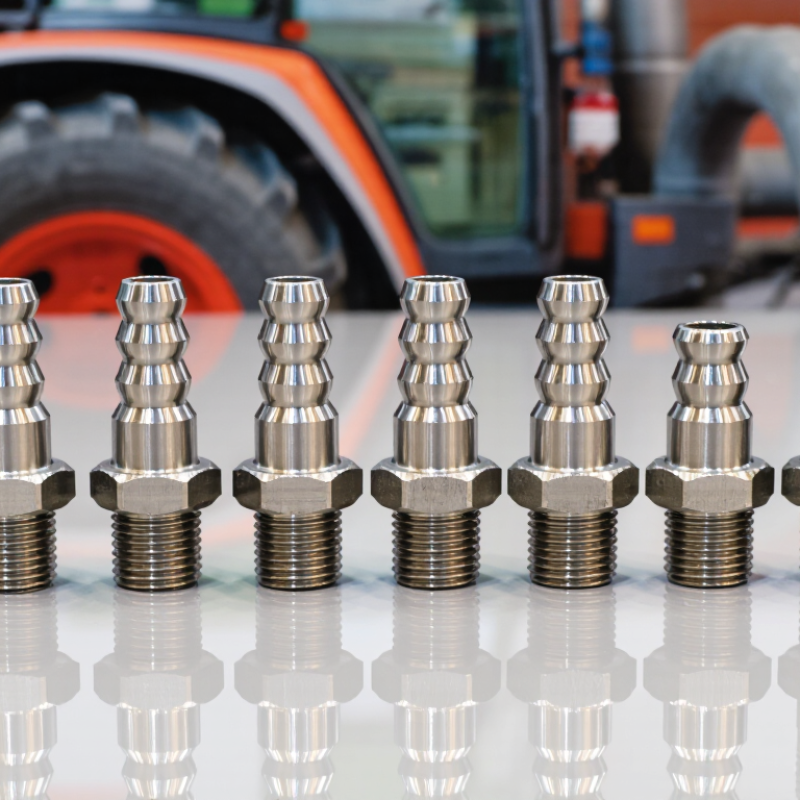
Button head grease fittings are lubrication points built for frequent servicing and heavy mechanical loads. Their wide, rounded heads accept a matching button-head coupler. This design supports fast grease delivery across construction equipment, agricultural machines, and industrial assemblies.
The fitting usually contains a steel body, threaded base, internal check ball, and spring. The thread secures the fitting inside a tapped lubrication port. During servicing, the coupler presses firmly against the button head. Grease pressure then moves the check ball inward and fills the connected passage. When pressure stops, the spring pushes the ball back into place. This helps reduce lubricant leakage and outside contamination.
Size and profile matter. A fitting that looks correct may still have the wrong thread pitch or head diameter. Measure the port, compare the coupler, and inspect the sealing surface before installation. In field maintenance, dirt often causes more trouble than pressure. Wipe the head first. Not always easy. Over-greasing can also damage seals or force lubricant past weak points. I have found that controlled, regular applications work better than occasional heavy pumping. Buyers should also review material, corrosion resistance, operating temperature, and access space. The best choice depends on the machine, not only on catalog appearance.
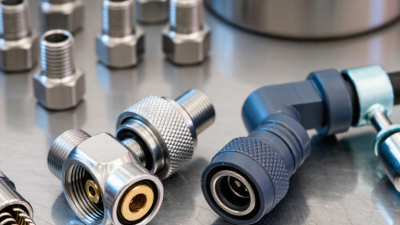
For global buyers, the top 10 button head grease fittings should be selected by standards, not appearance. DIN 3404 defines common button-head lubrication fittings, while SAE J534 covers automotive and industrial grease-fitting requirements. These references help buyers compare body size, sealing form, and coupling access across suppliers.
Thread choice remains critical. Metric options commonly follow ISO 261 and ISO 965, including M6, M8, and M10 sizes. Unified threads follow ASME B1.1, while tapered pipe threads may follow ASME B1.20.1 or ISO 7-1. A fitting can look identical but fail during installation. Check pitch, thread angle, seat design, and engagement length. For harsh equipment, confirm carbon-steel, stainless-steel, or plated-steel suitability. ISO 6743-9 also helps match grease families and operating conditions. Compatibility is not automatic.
Tips: Request a dimensional drawing, thread gauge sample, and pressure test record. Confirm the coupler matches the button diameter. Test the fitting on the actual machine before bulk purchasing. Industry maintenance guidance repeatedly links contamination control with longer lubricant life, yet buyers often ignore cap protection and storage. That is a practical weakness worth correcting. Temperature, vibration, washdown exposure, and grease consistency can change the best choice. A small thread mismatch may cause leakage, blocked lubrication, or damaged housing threads. Standards narrow the risk, but field verification still matters.
Ranking the top ten button head grease fittings requires more than counting thread options. I would score each fitting across sealing, material strength, flow performance, corrosion resistance, and service access. SAE J534 provides a useful reference for grease fitting dimensions and performance expectations. Thread accuracy matters because a small mismatch can cause leakage, damaged ports, or difficult maintenance.
The NLGI 2023 Grease Production Survey reported global grease production at roughly 2.5 billion pounds. This volume highlights a practical issue: fittings must support different grease grades and lubrication equipment worldwide. The ranking should examine button diameter, check-ball retention, pressure resistance, and compatibility with standard couplers.
Zinc-plated steel may suit ordinary machinery, while stainless steel deserves higher marks in wet, salty, or chemical environments. ISO 9227 salt-spray testing can help compare corrosion protection, although laboratory results do not perfectly represent field exposure. That limitation deserves attention.
Tips: Check the actual port thread, not only the fitting’s advertised size. Measure coupler engagement. Inspect the ball and spring after repeated lubrication cycles. Keep test records, including pressure, temperature, grease grade, and installation torque.
A useful scorecard might assign 30% to sealing and pressure stability, 20% to corrosion resistance, and 20% to dimensional consistency. The remaining points can cover availability, installation ease, and service life. My caution is simple: a polished fitting can still fail after poor cleaning or over-tightening. Field trials should challenge every ranking.
Top 10 Button Head Grease Fittings for Global Buyers
Material choice shapes service life. Carbon steel fittings suit protected machinery and moderate environments. Zinc plating adds useful resistance, but damaged plating exposes the base metal quickly. Stainless steel performs better near salt spray, washdown areas, and outdoor equipment. It costs more. Sometimes, buyers still choose it too late.
Pressure ratings need careful reading. A fitting may show a high burst pressure, but working pressure is the safer comparison. Match the fitting to the grease system, hose, and lubrication frequency. Button head designs support fast coupler engagement, especially on agricultural and construction equipment. Threads must match exactly. Small mismatches cause leakage and damaged ports. Request test data, not only a catalog number.
Sealing depends on more than the check ball. Inspect the ball seat, spring condition, thread quality, and mating coupler. A clean seat helps retain grease under vibration. Contamination remains a common failure. Corrosion testing also deserves attention. Salt-spray hours can indicate coating performance, but they do not perfectly predict field life. Moisture, chemicals, and temperature change the result. Buyers should compare samples after exposure and inspect pitting around the head. That step takes time. It often reveals an assumption that looked reasonable on paper.
Button head grease fittings are chosen for controlled lubrication in excavators, agricultural equipment, trailers, and industrial joints. Their broad heads accept suitable couplers and reduce slipping during routine servicing. Installation begins with cleaning the port, checking thread compatibility, and removing damaged fittings. A small amount of thread sealant may help, but excess material can block the grease passage.
Use the correct wrench and avoid over-tightening. The fitting should sit firmly without distorting the surrounding metal. After installation, apply grease slowly until fresh lubricant reaches the joint or the seal shows slight movement. Do not rely only on pressure readings. Pressure can rise because of a blocked channel. That mistake is common.
Maintenance records should show fitting location, lubricant type, service date, and observed condition. Inspect for rust, loose threads, bent heads, and hardened grease. Replace questionable parts early. A perfect checklist does not exist. I would still recheck alignment after the first operating cycle.
International buyers should confirm metric or imperial threads, steel grade, surface treatment, operating temperature, and head dimensions. Request dimensional drawings, material certificates, inspection reports, and samples before ordering large quantities. Packaging needs dry separation, clear labels, and corrosion protection for sea transport. Confirm carton markings, quantity tolerances, delivery terms, and import documentation with the supplier. A low unit price can become expensive after rework, delays, or incompatible couplers. Small details matter.