Choosing the right needle valves is a practical decision, not a catalog exercise. The correct model must control flow accurately, withstand system pressure, and match the fluid passing through it. Small details matter. Port size, stem design, bonnet construction, and seat material can change performance significantly.
Valve engineer R. W. Zappe, author of Valve Selection Handbook, offers a useful principle: “A valve should be selected for the service, not merely for the pipe size.” That idea guides this discussion. A needle valve installed on a calibration line may need fine metering and repeatable adjustment. A valve used with corrosive chemicals may require stainless steel, alloy components, or a specialized seat. Gas service brings different concerns, including leakage control and pressure rating.
This guide examines how to compare needle valves through real operating conditions. It considers flow range, temperature, pressure, media compatibility, connection type, and maintenance access. It also explains when a panel-mounted valve differs from a high-pressure instrumentation valve.
Experience shows that specifications rarely tell the whole story. A valve may meet every listed requirement yet feel difficult to adjust. That weakness can appear only during commissioning. No checklist is flawless. Engineers should review supplier data, test results, and installation conditions together.
The goal is not to choose the most expensive needle valve. It is to choose a dependable control point that performs predictably, lasts within its environment, and remains serviceable when the system needs attention.
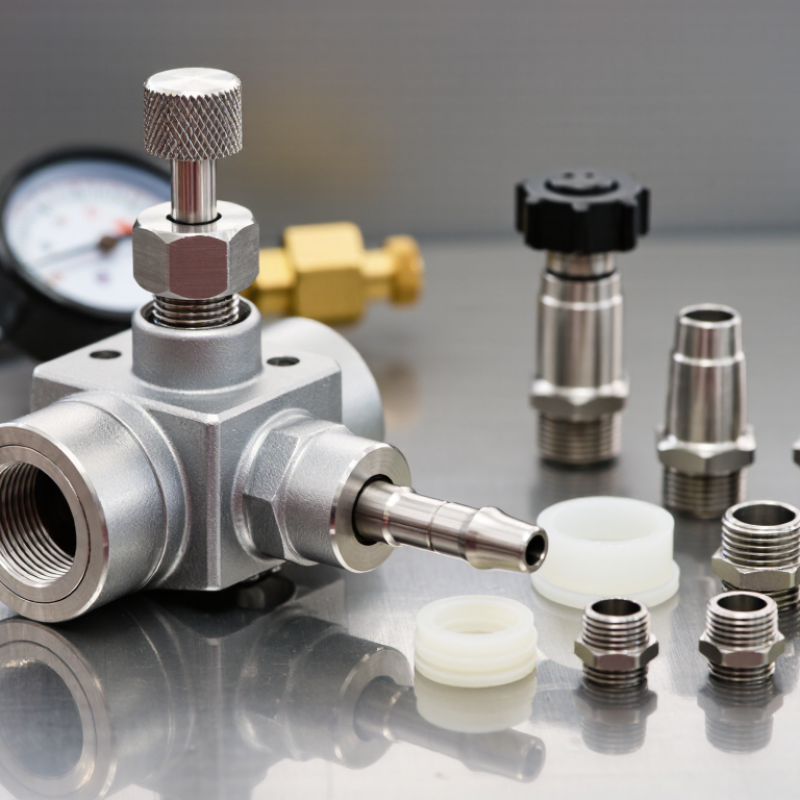
Needle valves control small flow rates with precision. Their tapered needle moves into a matching seat. Turning the handwheel changes the opening gradually, unlike a sudden quarter-turn valve. This design creates fine flow adjustment for instruments, calibration lines, sampling points, and pressure gauges. In practice, operators should open the valve slowly. A quick adjustment can cause pressure shock or damage sensitive instruments. Needle valves can stop flow, but they are not always the best choice for emergency isolation.
Selection depends on operating pressure, temperature, fluid compatibility, and required flow capacity. Check the valve’s pressure rating at the actual temperature, not only at room conditions. The needle shape also matters. A sharp tip supports fine control, while a more robust tip may tolerate frequent operation.
Connection type, thread accuracy, packing material, and leakage requirements deserve equal attention. I have seen installations fail because the valve fit the pipe but not the instrument. That detail is easy to overlook.
Tips: Keep the valve clean during installation. Use the correct sealant for the service. Never force the handwheel past its stop. Mark the normal operating position when settings must be repeated. Test the valve under real pressure before commissioning. Also, question the assumed flow range; a valve selected too large may feel precise but still respond poorly.
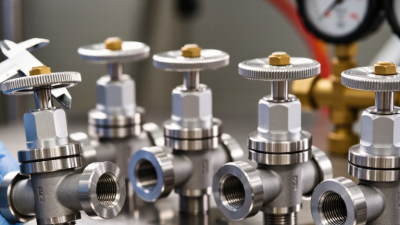
A needle valve should be selected around the fluid, not its appearance. Stainless steel suits many clean gases, water systems, and moderate chemical services. Brass can work well with air, oil, and non-corrosive liquids. It may fail quickly with ammonia or aggressive cleaning fluids. Check compatibility before installation.
Seal material matters just as much. PTFE handles many chemicals and offers low friction, but high temperatures can reduce its reliability. Elastomer seals may perform well in ordinary water service, yet swell in certain oils or solvents. The fluid temperature, pressure, concentration, and flow rate should all appear in the selection record. Small details matter.
The environment can change the answer. Salt spray, outdoor moisture, and coastal air increase corrosion risk. Chloride-rich water can damage some stainless steels over time. In such areas, consider a more resistant alloy and protect exposed threads. Avoid mixing dissimilar metals without checking galvanic corrosion. That mistake is easy to overlook.
A practical review should include the valve body, stem, seat, packing, and fittings. Do not judge compatibility from the body material alone. During commissioning, inspect for discoloration, leakage, stiff adjustment, or unusual deposits. A valve may pass a short test and still deteriorate later. When the service is uncertain, use a compatibility chart and request documented data from a qualified supplier. Field assumptions are useful, but they are not evidence.
Choosing a needle valve begins with the fluid, not the port size. A valve that fits the pipe may still restrict flow excessively. Identify the medium, temperature, viscosity, and required flow range. For water, a small valve may respond smoothly. Thick oil needs more attention. I have seen valves selected by connection size alone, then adjusted almost fully open. That is a warning sign.
Compare the required flow with the valve’s flow coefficient, commonly shown as Cv or Kv. Use pressure-drop data at actual operating conditions. Do not estimate from nominal diameter alone. For gases, pressure ratio and compressibility can change the result significantly. Check normal and peak flow. A valve sized only for average demand may become a bottleneck during startup. Leave useful adjustment range, but avoid oversizing. An oversized needle valve can make fine control surprisingly difficult.
Pressure rating needs more than a single maximum number. Confirm the rating at operating temperature, then consider pulsation, trapped pressure, and short pressure spikes. The body, stem, seat, and connection must suit the service. Review the applicable technical standard and request pressure and leakage test records for critical applications. I also inspect installation space and handle access. A perfect calculation is useless if the operator cannot turn the valve safely. My own selections still deserve a second review when fluid data is incomplete.
Select the correct size, pressure rating, and flow capacity for the intended service.
The chart compares representative stainless-steel instrumentation needle-valve sizes. Flow values are calculated water-flow capacities at a 1 bar differential pressure using typical Cv values for each nominal size. Pressure ratings are representative high-pressure design values and must be verified against the valve datasheet, temperature, connection type, and applicable safety standards before selection.
Connection choice should precede thread size. Use compression fittings for clean instrument tubing and frequent field service. Threaded ends suit compact manifolds, but sealant can contaminate a narrow passage. Flanged connections fit larger, higher-consequence lines, although they add weight and cost. Check tube material, pressure rating, temperature, and vibration before selecting. Do not trust appearance.
Control method changes repeatability. Manual handwheels work well for occasional isolation and visual adjustment. For frequent throttling, an actuator can improve consistency, but sizing must match differential pressure and stroke. The U.S. Department of Energy’s Improving Compressed Air System Performance sourcebook estimates leakage can waste 20–30% of compressor output. That figure supports careful shutoff testing, especially in pneumatic panels. Energy savings are not automatic.
Needle geometry determines sensitivity. A long tapered needle gives fine low-flow control; a short, blunt design passes more flow with less adjustment. V-shaped or non-rotating stems can reduce seat damage during repeated modulation. The IEA’s Energy Efficiency 2023 report places industry near 37% of global final energy demand. Small losses deserve attention. Still, a finer tip is not always better; it may clog, erode, or slow response. Review the medium, cleanliness, shutoff need, and actual flow range.
A needle valve should match the medium, pressure, temperature, and required flow precision. Check the connection type before ordering. A mismatch can create leakage, vibration, or difficult servicing. During installation, leave enough clearance for handwheel movement and future inspection. The U.S. Department of Energy reports that compressed-air leaks can waste 20–30% of compressor output. Therefore, inspect every threaded joint, tube fitting, and isolation point. Small leaks become expensive when equipment runs continuously.
Maintenance needs deserve equal attention. Choose materials that resist corrosion from the actual fluid, not a general specification. Confirm seal compatibility with temperature changes and cleaning chemicals. Field technicians often find that inaccessible valves are ignored until failure. That is a design problem, not only a maintenance problem. The DOE Operations & Maintenance Best Practices Guide identifies potential energy savings of 5–20% through effective maintenance programs. The exact result varies. It depends on equipment condition, inspection quality, and operating discipline.
Tips: Mark flow direction clearly. Install a nearby pressure gauge when readings matter. Use approved leak-detection methods, never an open flame. Review the manufacturer’s pressure-temperature rating against real conditions. Include a lockout point where stored pressure could injure workers. One practical caution: tightening the stem too aggressively may damage packing and restrict adjustment. Record the initial valve position, inspection date, and observed pressure. Those simple notes make troubleshooting faster. They also expose assumptions that looked reasonable during installation.