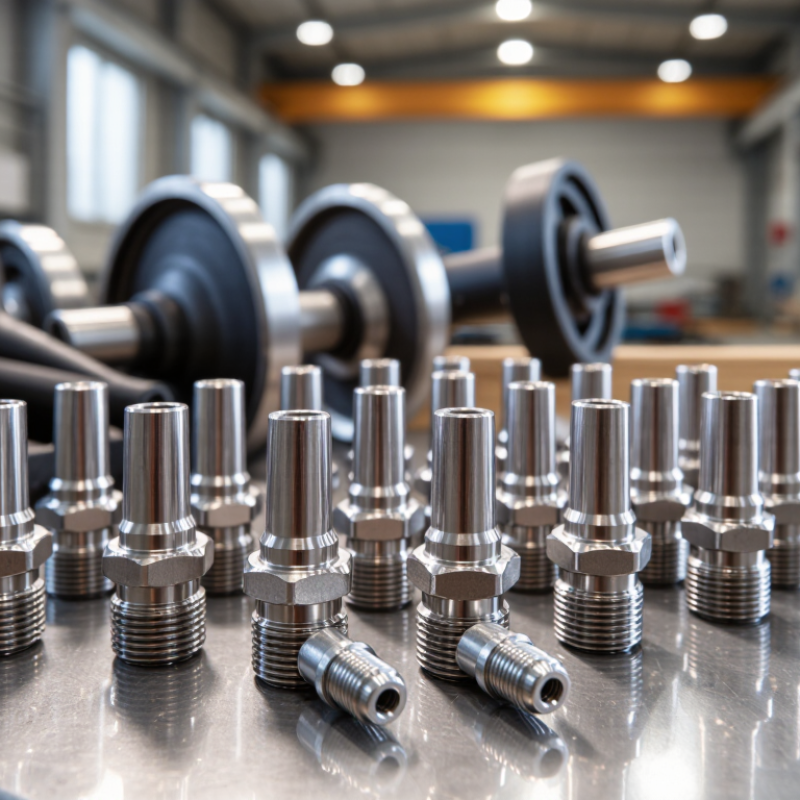
Choosing a reliable zerk grease fitting manufacturer requires more than comparing prices or catalog sizes. These small fittings control lubricant access inside wheel hubs, construction joints, agricultural equipment, and industrial bearings. A blocked passage can leave a bright metal pin dry, while a poorly sealed fitting may admit dust, water, and premature wear.
Industry data supports this practical concern. Grand View Research has identified expanding demand for industrial lubricants, driven by manufacturing, automotive, mining, and heavy equipment applications. The MarketsandMarkets industrial lubricants report also highlights maintenance reliability and equipment longevity as major purchasing priorities. These reports do not rank zerk grease fitting suppliers directly. However, they explain why fitting quality, material selection, thread accuracy, and corrosion resistance deserve closer attention.
NLGI technical materials remind buyers that “grease is a semisolid lubricant,” not simply thick oil. That distinction matters. A fitting must deliver grease consistently without damaging seals or contaminating the lubrication path. In this guide, we examine China’s top 10 zerk grease fitting manufacturers through production experience, quality systems, export capability, customization, and application knowledge. The list is useful, but not absolute. Supplier rankings can change with certifications, factory audits, and project requirements.
Real-world details matter. A stainless fitting on a washdown line faces different risks from a zinc-plated fitting on a tractor chassis. Buyers should verify thread standards, pressure performance, batch traceability, and testing evidence before placing large orders.
What Are China Top 10 Zerk Grease Fitting Manufacturers?
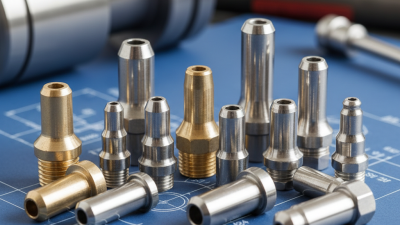
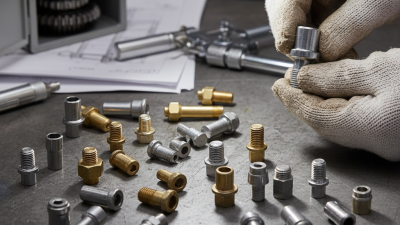
Zerk grease fittings, also called grease nipples, are small threaded valves that deliver lubricant into bearings, pins, bushings, and joints. A spring-loaded ball normally blocks dirt from entering the passage. When a grease gun connects, pressure moves the ball inward and pushes lubricant through the fitting.
Their design looks simple. It is not always simple in service. Thread accuracy, steel quality, heat treatment, and surface protection affect reliability. A poorly finished fitting may leak, clog, or detach during vibration. When assessing China’s top ten manufacturers, buyers should check material certificates, thread gauges, pressure testing, and batch traceability. Sample testing matters more than attractive catalog claims.
Industrial applications include excavators, agricultural machinery, forklifts, trailers, mining equipment, and production-line mechanisms. A technician may install a 45-degree fitting inside a crowded joint, while a flush fitting can suit equipment with limited clearance. Stainless steel versions help in damp environments, but they may not solve every corrosion problem. Grease compatibility also deserves attention. Mixing lubricants can create hard deposits and restrict flow.
Field experience teaches an uncomfortable lesson: over-greasing can damage seals and raise operating temperatures. Under-greasing causes similar trouble through wear and contamination. Maintenance teams should record fitting size, lubricant type, service interval, and visible leakage. Even a reliable fitting needs correct installation. That part is often overlooked.
Zerk grease fittings, also called grease nipples, provide a sealed point for delivering lubricant into bearings, joints, bushings, and other moving components. The chart compares the nominal major diameters of commonly used metric, UNF, NPT, and BSPT thread standards found in industrial equipment, agricultural machinery, construction equipment, automotive systems, conveyors, and machine tools. Values are reference thread dimensions; the actual fitting body and sealing design may vary by standard and application.
Evaluating China’s top 10 Zerk grease fitting manufacturers requires more than comparing prices. A capable supplier should show practical production experience, stable machining control, and clear product documentation. Ask whether the factory makes fittings in-house or relies heavily on outside processing. This distinction affects consistency.
Check the steel or stainless-steel grade, thread accuracy, ball movement, and surface finish. Request dimensional drawings and sample measurements, not only catalog claims. A reliable manufacturer can provide inspection records, material certificates, and batch traceability. Ask for proof. Testing should include pressure resistance, leakage checks, corrosion exposure, and repeated coupling cycles. Small details matter.
Factory visits can reveal useful evidence. Look at CNC equipment, thread gauges, cleaning stations, and how finished parts are stored. Packaging should protect threads from dents and contamination during ocean transport. Export experience also matters, especially when documents, labeling, and delivery schedules must remain accurate. Communication is another practical test; technical questions should receive specific answers, not vague promises.
No supplier is perfect. A polished website does not guarantee dependable fittings. I would compare several samples from different batches before approving a long-term order. Even experienced buyers can overlook plating thickness or inconsistent grease passages. Independent inspection may add cost, but it can expose problems before they reach machinery in the field.
China’s top 10 Zerk grease fitting manufacturers show different strengths rather than identical production models. One profile centers on cold forming, producing consistent steel bodies at high volume. Another focuses on stainless steel fittings for humid workshops and outdoor equipment. A third specializes in brass components, where clean threads and smooth seating matter more than extreme output. Several manufacturers serve agricultural machinery, construction equipment, and industrial pumps with common metric and imperial thread options.
The strongest profiles include factories with CNC machining, automated assembly, and clear batch traceability. Their inspection routines may include thread gauges, dimensional checks, leak testing, and pressure testing. Small details matter. A loose ball can waste lubricant. A rough thread can damage a housing. Some suppliers also provide angled fittings, button heads, extended bodies, and custom thread designs for restricted spaces. Their engineers usually review drawings before tooling begins, which reduces costly corrections later.
Export-oriented manufacturers often maintain documented material certificates and stable packaging procedures. However, a polished catalog is not proof of dependable performance. Buyers should compare sample consistency, coating thickness, salt-spray results, and response times. No profile is flawless. Some factories offer impressive customization but weaker small-batch flexibility; others deliver fast production with less engineering support. The most reliable evaluation combines factory evidence, application experience, and repeat testing under realistic grease pressure.
What Are China Top 10 Zerk Grease Fitting Manufacturers?
Comparing Product Quality, Materials, Standards, and Customization
China’s leading zerk grease fitting manufacturers should be compared beyond price. Material selection matters first. Stainless steel offers stronger corrosion resistance in wet equipment. Zinc-plated carbon steel remains practical for general machinery. Brass can suit applications requiring easier machining and stable sealing.
NLGI’s 2023 Global Grease Production Survey reported worldwide grease production of about 2.6 million metric tonnes. This volume reflects continuing demand for reliable lubrication hardware. However, grease quality alone cannot prove fitting quality. Buyers should inspect thread accuracy, ball-check movement, burst pressure, and plating thickness. ISO 6743-9 helps classify industrial grease applications, while ASTM D4950 supports automotive grease performance evaluation. These standards guide compatibility, but they do not replace factory testing. A supplier with good paperwork may still show inconsistent batches. That weakness deserves attention.
Tips: Request material certificates, dimensional reports, and salt-spray results. Check whether samples match mass production. Ask for PPAP-style documentation when supplying vehicles or heavy equipment. Customization may include thread types, body angles, cap designs, and laser marking. Yet unusual designs often increase tooling costs and inspection time. Confirm tolerances before approving the drawing. A practical audit should review equipment, operator records, failed samples, and corrective actions. Ten manufacturers may appear similar online. Their production discipline may not be similar.
How to Select the Right Chinese Manufacturer for Your Requirements
A “top 10” list should be a starting point, not a purchasing decision. The 2023 NLGI Global Grease Production Survey recorded about 2.64 billion pounds of grease production worldwide. This volume makes supplier verification essential. Ask each Chinese manufacturer for recent batch records, base oil details, thickener type, and consistency data. Check whether testing follows recognized methods, such as ASTM D4950 or ISO 6743-9.
Look beyond a polished website. Request a factory video, production address, equipment list, and quality-control flow. A serious supplier should explain dropping point, worked penetration, water resistance, corrosion protection, and operating temperature. Intertek’s 2023 Global Economic Impact Report highlights how independent testing can reduce supply-chain uncertainty. Therefore, send samples to an accredited laboratory before approving bulk orders. Small details matter.
Inspect the grease fitting itself, too. Review thread accuracy, surface finish, zinc or stainless-steel grade, sealing performance, and carton protection. The China Fastener Industry Association has repeatedly emphasized quality consistency and standardization in industrial component supply. Still, certificates can become outdated. I would verify their issue date and match them against the actual shipment. This step feels slow, but one failed fitting can stop a maintenance line. Compare at least three quotations using the same specifications, delivery terms, warranty language, and minimum order quantity. Price alone is a weak filter. Supplier selection is rarely perfect. Your checklist may need revision after the first trial order.
| No. | Evaluation Dimension | Recommended Requirement | Relevant Standard or Reference | Verification Method | Why It Matters |
|---|---|---|---|---|---|
| 1 | Product Range | Straight, 45-degree, and 90-degree fittings in metric and inch thread configurations. | DIN 71412; ISO 7-1; ISO 965-1; applicable inch-thread specifications. | Review catalogues, technical drawings, thread gauges, and sample parts. | A broad range reduces sourcing complexity and improves equipment compatibility. |
| 2 | Base Material | Material selected according to load, corrosion exposure, temperature, and application environment. | Applicable carbon-steel, stainless-steel, or alloy-steel material specifications. | Request material certificates and verify chemical composition through testing when required. | Material quality affects strength, fatigue resistance, corrosion performance, and service life. |
| 3 | Surface Protection | Consistent zinc plating, stainless finish, or another specified protective treatment without bare areas or blistering. | ISO 4042 for electroplated fastener coatings; ASTM B117 for salt-spray test procedures. | Inspect coating thickness, appearance, adhesion, and corrosion-test reports. | Protection is essential for outdoor, marine, agricultural, and industrial applications. |
| 4 | Dimensional Accuracy | Critical dimensions, thread size, head diameter, ball-seat geometry, and overall length must match approved drawings. | ISO 2768 for general tolerances; customer-approved engineering drawings. | Use calibrated gauges, verniers, optical measuring equipment, and thread plug gauges. | Accurate dimensions prevent leakage, cross-threading, installation failure, and premature damage. |
| 5 | Sealing Performance | The check ball, spring, seat, and body should prevent grease leakage and contamination ingress. | Manufacturer-specific pressure and leakage test procedures; customer specification. | Request pressure-holding, backflow, contamination, and grease-flow test results. | Reliable sealing protects bearings and joints from water, dust, and lubricant loss. |
| 6 | Pressure and Flow | The fitting must support the intended grease-gun pressure and allow consistent lubricant delivery. | Application-specific design criteria; documented internal test method. | Conduct functional tests using the specified grease, coupler, and pressure range. | Poor flow can cause maintenance delays and insufficient lubrication of moving components. |
| 7 | Manufacturing Process | Controlled cold heading, machining, thread forming, heat treatment where applicable, cleaning, and assembly. | Documented process-control plan and inspection procedures. | Audit production equipment, process records, tooling controls, and first-article samples. | Stable processes improve consistency across large production batches. |
| 8 | Quality Management | A documented quality system with incoming, in-process, final, and corrective-action controls. | ISO 9001 certification or an equivalent independently audited quality system. | Verify certificate validity, audit scope, inspection records, and nonconformance procedures. | Formal quality controls lower defect rates and improve traceability. |
| 9 | Customization Capability | Capability to produce non-standard thread sizes, angles, lengths, materials, finishes, packaging, and inspection plans. | Customer drawings, technical agreements, and approved sample requirements. | Evaluate tooling resources, engineering support, prototype lead time, and sample approval records. | Customization allows the fitting to match specialized machinery and maintenance systems. |
| 10 | Supply and Export Readiness | Reliable capacity, documented lead times, export packaging, lot traceability, and clear commercial terms. | Incoterms® 2020; applicable packaging, labeling, customs, and destination-market requirements. | Check production capacity, delivery history, packaging samples, batch records, and pre-shipment inspection options. | Supply reliability reduces stockouts, logistics risks, and total procurement cost. |
Note: Manufacturer rankings should be based on verified audits, product samples, valid certifications, test reports, and current production capability rather than unverified online listings.