Global buyers need more than a polished supplier list when selecting a 6 inch gate valve. They need evidence, traceability, and dependable field performance. A valve may look identical in a catalog, yet differ greatly in casting quality, seat design, coating, testing, and after-sales support. Grand View Research’s Industrial Valves Market Size, Share & Trends Analysis Report (2024) identifies energy, water infrastructure, and process industries as major demand drivers. Fortune Business Insights also projects steady growth in the global industrial valves market through 2032. These trends show why supplier evaluation deserves technical attention.
This guide reviews ten 6 inch gate valve suppliers serving international buyers. It considers manufacturing experience, API and ASME alignment, material options, pressure classes, inspection practices, delivery capability, and documentation quality. API 600, API 598, ASME B16.34, and ISO 5208 remain useful reference points for design and testing decisions. However, certification alone is not enough. A buyer should examine mill certificates, hydrostatic test records, dimensional drawings, and actual project references. Small details matter, such as a readable nameplate, protected stem threads, and dry, impact-resistant packaging.
No shortlist is perfect. Supplier rankings can change by region, application, and order volume. A refinery may prioritize fire-safe performance, while a municipal project may focus on corrosion resistance and lifecycle cost. Buyers should also challenge broad claims, especially when technical data is incomplete. The following comparison offers a practical starting point, not a substitute for engineering review, site conditions, or independent inspection.
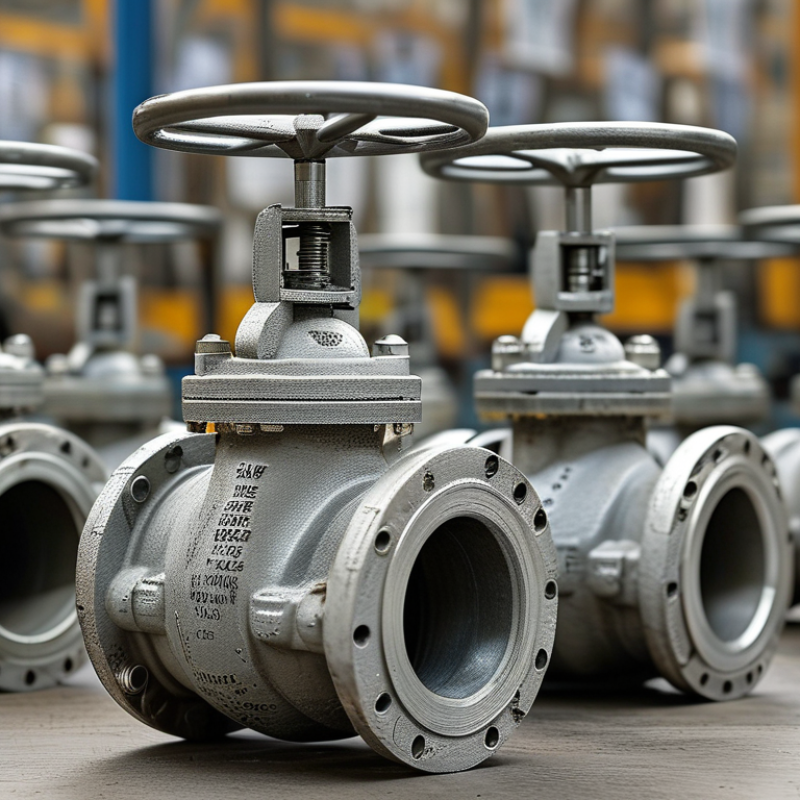
A 6-inch gate valve is an isolation device designed for pipelines with a nominal diameter of six inches, commonly called DN150. Its internal gate moves vertically to open or close the flow path. When fully open, it usually creates little flow resistance. It is not intended for regular throttling, because partial opening can cause vibration, erosion, and seat damage.
These valves appear in municipal water systems, firewater lines, wastewater plants, oil terminals, process facilities, and industrial steam networks. Selection depends on the medium, pressure, temperature, connection type, body material, and corrosion risk. A rising-stem design allows operators to see valve position, while a non-rising stem suits areas with limited vertical space. Global buyers should also check face-to-face dimensions, pressure testing records, material certificates, and applicable standards. Small specification gaps can cause expensive installation problems.
For global buyers, a 6-inch gate valve usually means NPS 6 or DN150. Confirm this point before comparing suppliers. A small size mismatch can delay installation. Check the pressure class, such as Class 150, 300, or 600, against the piping design. The valve should match ASME B16.34 requirements for pressure-bearing construction. Flange dimensions should follow ASME B16.5, while face-to-face dimensions should follow ASME B16.10. These details affect bolt alignment and replacement work.
Material selection depends on the service. Carbon steel may suit water or general process lines, while stainless steel can better resist corrosive media. Confirm body, wedge, stem, seat, and bonnet materials separately. Ask for material certificates and heat-number traceability. For sour service, review NACE MR0175/ISO 15156 requirements. Testing should include shell and seat tests under API 598 or an equivalent standard. Check temperature limits, sealing direction, stem design, and actuator compatibility. Manual operation is common, but heavy valves may need gearing.
Do not rely on a catalog image alone. Request certified drawings and inspection records. A practical mistake is overlooking the valve’s flow direction during installation. Gate valves are normally for isolation, not throttling. That distinction matters. I would also verify packing performance after storage, because long warehouse periods can weaken seals. Suppliers with clear documentation, repeatable testing, and responsive technical support are easier to qualify for international projects.
| Rank | Anonymous Supplier Profile | Primary Supply Region | Nominal Size | Typical Pressure Class | Body Materials | End Connection | Face-to-Face Standard | Design Standard | Testing Standard | Best-Fit Application |
|---|---|---|---|---|---|---|---|---|---|---|
| 1 | Profile A — API-certified industrial valve manufacturer | Asia-Pacific | NPS 6 / DN 150 | ASME Class 150, 300, 600 | ASTM A216 WCB; ASTM A351 CF8M | Flanged, ASME B16.5 | ASME B16.10 | API 600 | API 598 | Oil, gas and general process piping |
| 2 | Profile B — Forged and cast valve specialist | North America | NPS 6 / DN 150 | ASME Class 150 and 300 | ASTM A216 WCB; ASTM A352 LCB | RF flanged; optional RTJ | ASME B16.10 | API 600; ASME B16.34 | API 598 | Water, steam and hydrocarbon service |
| 3 | Profile C — Stainless-steel process valve producer | Europe | NPS 6 / DN 150 | ASME Class 150 and 300 | ASTM A351 CF8M; ASTM A351 CF3M | EN 1092-1 or ASME B16.5 flanges | EN 558 or ASME B16.10 | EN 1983; ASME B16.34 | EN 12266-1 or ISO 5208 | Chemical, food and corrosive-process systems |
| 4 | Profile D — Pipeline gate valve supplier | Middle East and Asia | NPS 6 / DN 150 | ASME Class 300 and 600 | ASTM A216 WCB; low-temperature carbon steel | Flanged or butt-weld ends | ASME B16.10 or API 6D dimensional basis | API 6D | API 6D and API 598 | Transmission pipelines and terminals |
| 5 | Profile E — Municipal waterworks valve manufacturer | Europe and Latin America | NPS 6 / DN 150 | PN 10, PN 16 and ASME Class 150 | Ductile iron EN-GJS-400-15; epoxy-coated iron | EN 1092-2 flanges | EN 558 | EN 1074-2 | EN 12266-1 | Potable water and wastewater networks |
| 6 | Profile F — Cryogenic and low-temperature valve supplier | East Asia | NPS 6 / DN 150 | ASME Class 150 and 300 | ASTM A352 LCB; stainless steel trim | ASME B16.5 flanges | ASME B16.10 | ASME B16.34 | API 598; cryogenic test specification required | LNG, liquid oxygen and low-temperature fluids |
| 7 | Profile G — Power-generation valve specialist | North America and Europe | NPS 6 / DN 150 | ASME Class 300 and 600 | ASTM A216 WC6; ASTM A217 WC9 | Flanged, ASME B16.5 | ASME B16.10 | API 600; ASME B16.34 | API 598 | High-temperature steam and boiler systems |
| 8 | Profile H — Chemical-service lined valve supplier | Europe and Asia | NPS 6 / DN 150 | ASME Class 150 | Carbon steel or ductile iron with PTFE lining | Flanged, ASME B16.5 or EN 1092-1 | ASME B16.10 or EN 558 | ASME B16.34; manufacturer lining specification | ISO 5208 or API 598 | Acids, alkalis and corrosive chemicals |
| 9 | Profile I — OEM and private-label valve exporter | Asia-Pacific | NPS 6 / DN 150 | ASME Class 150 and 300 | ASTM A216 WCB; ASTM A351 CF8M | Flanged, threaded auxiliary connections optional | ASME B16.10 | API 600 or ASME B16.34 | API 598 | Standard replacement projects and distribution |
| 10 | Profile J — Custom engineered valve supplier | Global project supply | NPS 6 / DN 150 | ASME Class 150 through 600 | Carbon steel, low-temperature steel or stainless steel | Flanged, butt-weld or special-end design | ASME B16.10; project-specific dimensions | API 600, API 6D or ASME B16.34 | API 598, API 6D or ISO 5208 | EPC projects and non-standard operating conditions |
A reliable 6-inch gate valve supplier should provide more than a competitive quotation. Ask for body, wedge, stem, and seat materials, not just a product photo. Confirm the nominal pressure, temperature range, end connection, and operating method. A quotation without these details creates avoidable risks.
Request dimensional drawings before ordering. Compare face-to-face length, flange drilling, stem height, and actuator clearance with your pipeline design. Suppliers should also provide pressure-test records, material certificates, inspection plans, and serial-number traceability. Factory quality systems matter, but certificates alone are not enough. Review recent inspection examples and ask how nonconforming valves are handled.
Delivery performance deserves equal attention. Check production capacity, packaging methods, spare-part availability, and technical support across time zones. A wooden case with moisture protection can prevent damage during long transport. Clarify inspection points before shipment, including shell testing, seat leakage testing, coating thickness, and visual checks. Independent inspection may be worthwhile for critical projects.
Price can mislead. A cheaper valve may require extra machining, urgent replacement, or repeated testing. Yet a higher price does not guarantee better performance. This is where buyers must remain skeptical. No checklist is perfect. I would compare at least three suppliers using the same technical specification and scoring sheet. Then verify references from projects with similar media, pressure, and climate conditions. Small details often reveal the supplier’s real engineering discipline.
For international buyers, the top 10 6-inch gate valve suppliers should be judged by evidence, not catalog size. A 6-inch valve usually matches DN150 piping, but pressure class, trim, end connection, and temperature range still require careful review. Grand View Research valued the global industrial valves market at about USD 78.3 billion in 2023. Its report also projects steady growth through 2030. This demand increases supplier competition, but not every factory offers equal control.
Reliable suppliers should provide material certificates, pressure-test records, dimensional drawings, and traceability from casting to shipment. API 600 and ISO 10434 are common references for steel gate valve design. API 598 and ISO 5208 support inspection and pressure testing. International buyers should also verify fugitive-emission options, coating systems, spare parts, and technical response times. Small details matter. A missing test record can delay an entire project.
The top 10 supplier shortlist should include manufacturers with audited quality systems, stable foundry access, and export experience across several regions. The 2024 MarketsandMarkets industrial valves analysis identifies energy, water, and process industries as major demand sectors. That makes application knowledge especially important. Some suppliers may quote quickly but overlook low-temperature service or actuator clearance. This is a weakness worth challenging. No ranking is perfect, because price, lead time, and local support change by project. Buyers should compare at least three documented offers before selecting a 6-inch gate valve partner.
When global buyers compare the top 10 six-inch gate valve suppliers, quality should be checked beyond catalog photos. Ask for pressure-test records, material certificates, and dimensional inspection reports. A reliable supplier identifies body material, trim grade, seat design, and applicable standards clearly. Request sample documents before placing a trial order. This small step often exposes vague claims. In field use, a cleanly machined stem and even wedge alignment matter more than polished packaging. Still, no certificate replaces an actual inspection. That is an easy mistake.
Pricing needs a complete landed-cost view. Compare valve price, testing, export packing, freight, duties, and spare parts separately. The lowest quotation may exclude actuators, gaskets, or inspection fees. Ask suppliers to quote identical specifications and quantities. Then compare warranty terms, payment milestones, and change-order charges. Delivery promises should include production time, inspection time, and port handling. A supplier with local stock may ship quickly, but stock age and storage conditions deserve checking. We once saw a “ready” valve delayed because its coating needed renewal. Promises can be optimistic.
After-sales service reveals supplier maturity. Confirm response hours, technical contact channels, installation guidance, and replacement-part availability. For overseas projects, clear drawings and video support can prevent a costly site error. Warranty language should state coverage, exclusions, evidence requirements, and resolution times. Ask how failure reports are reviewed, not merely whether a warranty exists. Reference checks with similar water, oil, or industrial installations add practical confidence. Yet buyer feedback is not always complete. Keep written records, inspect incoming goods, and treat every comparison as risk management.