For industrial buyers, choosing a grease pump means matching equipment to the lubrication task, not simply selecting the highest pressure rating. The right unit should deliver the required flow and pressure while handling the grease’s consistency, operating temperature, and duty cycle. A pump that performs well on a clean workshop bench may struggle when connected to long lines or multiple lubrication points. Small mismatches can cause slow delivery, uneven lubrication, or extra maintenance.
In 2026, buyers can compare manual, pneumatic, and electric models, along with different reservoir sizes and control options. The best choice depends on the application. A maintenance team servicing several machines may value steady output and easy refilling, while a mobile technician may prioritize portability and durable fittings. Details matter. Check the manufacturer’s flow and pressure specifications, compatible grease grades, connection sizes, and service requirements. Also consider whether replacement seals and other wear parts are readily available. No model fits every plant.
This guide examines practical factors behind the “best” grease pump, including performance, reliability, usability, and ownership costs. It draws attention to specifications buyers can verify rather than relying on broad product claims. A little caution is useful: catalog ratings may not reflect performance in a specific installation. Ask suppliers how their figures were measured, then compare them with your operating conditions. Expect trade-offs. A higher-capacity pump may save time but take up more space, and added controls can bring extra setup needs. The final shortlist should fit the worksite, the maintenance routine, and the people who will use it.
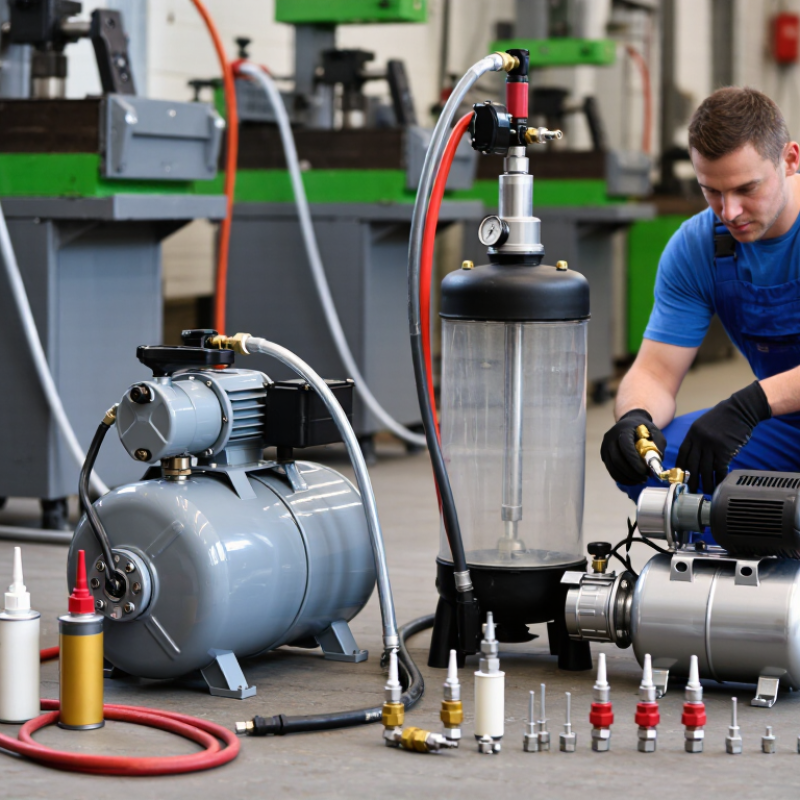
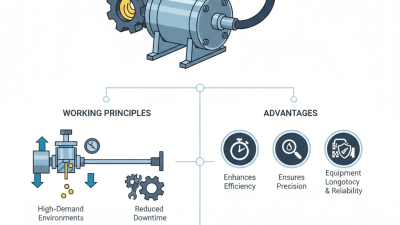
Grease pumps move semi-solid lubricant from a reservoir to bearings, gears, and other friction points. Their core parts include the reservoir, follower plate, pump element, drive, pressure-control valve, and delivery line. In operation, the pump draws grease into a chamber and displaces it under pressure. A metering valve or distributor then directs measured amounts to lubrication points. Manual, electric, and pneumatic drives suit different duty cycles and access conditions.
Grease is not oil. Its consistency affects suction, line resistance, and cold-start performance, so match pump capability to the specified grease grade and operating temperature. The NLGI 2022 Grease Production Survey reported about 1.146 million metric tonnes of grease production worldwide, underscoring the scale of grease use across industry; it does not, however, measure pump demand.
That distinction matters.
On site, inspect the follower plate, seals, hoses, and relief setting, then verify delivery at the bearing.
Pressure is not proof.
A blocked line can show high pressure while the bearing stays dry. Selection tables help, but real pipe length, bends, and temperature can expose gaps in a paper specification.
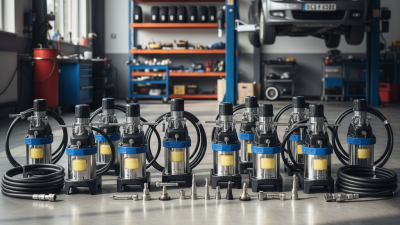
Industrial grease pumps in 2026 generally fall into three practical groups: manual, pneumatic, and electric. Each delivers grease differently, so the right choice depends on the lubrication point, duty cycle, and available power. No single type suits every plant.
Manual lever pumps are simple and useful for occasional servicing. A technician can feel resistance while applying grease, but repeated strokes become tiring across many fittings.
Pneumatic pumps use compressed air to supply grease more steadily. They suit frequent lubrication and larger systems, provided the air supply is reliable and the pump matches the required pressure and flow. Air lines can add clutter, though.
Electric grease pumps support repeatable, scheduled delivery and can connect with automatic lubrication systems. They are often considered for machinery with many lubrication points or long operating hours. Check grease consistency, reservoir capacity, output rate, and compatibility with seals before choosing. A pump that handles one grease grade may not perform well with another. That detail is easy to overlook. In practice, maintenance access matters too: a compact pump is not helpful if its filter or refill point is difficult to reach. Compare operating conditions, not just specifications on a product sheet.
Selecting a grease pump starts with the equipment, not the catalog headline. Record the grease grade, operating temperature, required delivery rate, and longest line run. A pump that moves grease well at room temperature may struggle after a cold overnight stop. Cold starts matter. Compare working pressure with actual system resistance, including hose length, fittings, and metering points. Maximum pressure alone is not a useful match.
For performance, check whether output stays consistent during repeated cycles. Watch for slow delivery, unusual motor heat, or pressure fluctuations; each can point to a mismatch or restriction. A short trial under a typical load helps, though it cannot reproduce every shift. I would not treat one successful test as proof. The grease may behave differently in a longer line or at a different temperature.
Compatibility includes more than the lubricant. Confirm that seals and wetted parts suit the grease, and check the available power source, reservoir capacity, and mounting space. If the system uses compressed air, verify the supply pressure and connection size. Fit matters too. Ask for rated output and operating limits in writing, then compare them with the machine’s service requirements. Leave room for routine access: a pump that is difficult to refill or inspect can lose practical value, even when its published performance looks right.
Worked penetration indicates grease consistency: lower values mean stiffer grease. Use the NLGI grade and the pump’s documented pressure and flow limits to assess compatibility; actual performance also depends on temperature, piping, and the grease formulation.
Industrial buyers should compare grease pumps against the lubrication task, not just the stated maximum output. Check the required grease consistency, delivery rate, operating pressure, and daily duty cycle. A pump serving several bearings across a long hose may need different capacity than one filling a single point nearby. Small details matter. Confirm the pump can maintain steady delivery at the pressure your system actually uses. Published flow rates may describe ideal conditions, so ask how performance changes under load.
Also review reservoir size, refill access, mounting space, and compatibility with the grease and seals in use. For pneumatic models, consider available air pressure and consumption; for electric models, check the power supply and controls. Manual pumps can suit low-volume tasks, but repeated strokes may slow maintenance work. Evaluate hose reach and fittings on the equipment itself. A convenient pump on paper can be awkward beside a guarded machine. There is rarely one perfect choice, and comparing specifications alone can miss real shop-floor constraints.
Tips: Test a sample unit with your usual grease, if possible. Record delivery time at the farthest lubrication point. Check for leaks after a short operating run. Include service access in the comparison; it is easy to overlook.
| Pump Type | Typical Power Source | Typical Delivery and Pressure | Common Grease Supply | Suitable Applications | Advantages | Points to Check Before Buying |
|---|---|---|---|---|---|---|
| Manual lever grease pump | Hand operated | Low-volume, intermittent delivery; pressure and output depend on the operator and pump design. | Cartridge or small bulk container; capacity varies by model. | Maintenance work, isolated bearings, and equipment without a fixed lubrication system. | Simple setup, portable, and does not require electricity or compressed air. | Check the required grease consistency, connection type, cartridge compatibility, and expected lubrication frequency. |
| Pneumatic grease pump | Compressed air; many industrial models use an air-pressure ratio to multiply outlet pressure. | Delivery and outlet pressure vary substantially by pump ratio, air supply, hose, and grease temperature. Confirm the rated values in the pump data sheet. | Bulk pail or drum, depending on the follower plate and pump tube. | Workshops, production maintenance, and multi-point dispensing where a reliable air supply is available. | Can supply grease continuously or in repeated dispensing cycles; suitable for larger containers than a hand gun. | Verify available air pressure and flow, pump ratio, duty cycle, container size, hose rating, and whether air treatment is needed. |
| Electric grease pump | AC or DC electric motor, depending on the equipment and installation. | Model-specific flow and pressure; performance can vary with grease grade, temperature, line length, and back pressure. | Reservoir, pail, or drum; check whether the unit includes a follower plate. | Fixed lubrication points, production equipment, and applications where compressed air is unavailable or undesirable. | Can be integrated with controls or lubrication cycles; avoids dependence on a compressed-air supply. | Match the voltage, motor duty rating, control method, required flow, pressure limit, and environmental protection to the installation. |
| Battery-powered grease gun | Rechargeable battery | Portable, intermittent delivery; pressure and cartridge capacity are model-specific. | Usually a cartridge or refillable barrel, depending on the design. | Mobile maintenance across multiple machines or work areas. | Portable and faster to operate than a manual lever gun for repeated service tasks. | Compare battery runtime, spare-battery availability, grease loading method, weight, and rated pressure. |
| Centralized lubrication pump | Electric or pneumatic, with controls selected for the lubrication system. | Selected to meet the system’s design pressure, lubricant demand, line layout, and cycle requirements. | Central reservoir; capacity is selected for the number of lubrication points and service interval. | Machines with multiple lubrication points, production lines, and equipment requiring scheduled lubrication. | Can deliver measured lubricant to multiple points and reduce the need for manual point-by-point greasing. | Check the system type, metering devices, line length, number of points, cycle timing, monitoring, and compatibility with the specified grease. |
Comparison note: Delivery rate and maximum pressure are not directly comparable across all pump types. Actual performance depends on the specific model, grease consistency (NLGI grade), temperature, hose and line dimensions, and operating conditions. Confirm published ratings and system requirements before selection.
For a 2026 industrial grease pump, size for the real delivery task, not the largest number on a catalog sheet. Calculate the required volume per lubrication point, then multiply by the number of points and the planned cycle frequency. Confirm that the pump can deliver this volume at the pressure needed to overcome line length, fittings, grease consistency, and operating temperature. The U.S. Department of Energy’s Improving Pumping System Performance sourcebook estimates that pumping systems account for nearly 20% of global electricity demand. Grease pumps are only one small part of that picture, but inefficient operation still deserves attention. Do not guess. Check the grease manufacturer’s recommended working temperature and the pump’s stated output under load.
Installation details affect delivery. Keep lines as short and direct as the equipment layout allows, secure them against vibration, and fit a pressure-relief device where the system design requires one. Before connecting lubrication points, prime the pump and purge trapped air; a soft, intermittent discharge can signal air or a blockage. Small errors matter. During commissioning, compare measured output with the calculated demand and record the result. For maintenance, inspect hoses, seals, filters, and connections for leaks or hardened grease. Follow the equipment maker’s service intervals, but shorten inspection intervals when dust, water, or frequent pressure cycling is present. Even a careful calculation can be wrong once the line warms up or the grease changes. Recheck it.