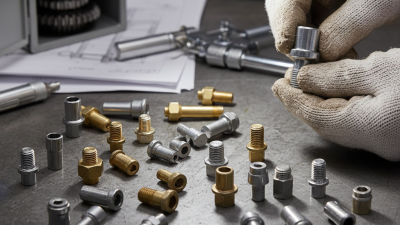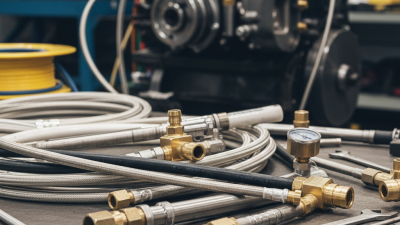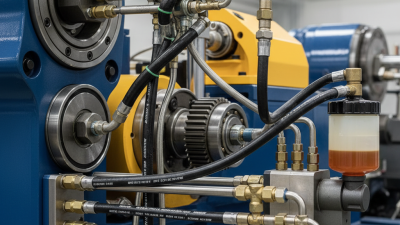
A zerk grease fitting may be small, but its performance affects lubrication, maintenance time, and equipment reliability. Also called a grease nipple, it provides a controlled point for injecting lubricant into bearings, joints, and other moving parts. Buyers comparing China-based manufacturers should look beyond unit price. Thread accuracy, material choice, surface finish, sealing, and consistent production all matter. A fitting that leaks or clogs can turn a routine service task into a frustrating repair.
This guide introduces ten Chinese manufacturers associated with zerk grease fitting production and supply. It offers a starting point for evaluating potential partners, not a guarantee that every company suits every application. Product ranges, factory capabilities, export experience, and quality controls can change. Verify current details directly with each supplier. Ask for drawings, material specifications, thread standards, sample parts, and inspection records. When possible, test samples under the pressure and operating conditions your equipment will actually face. Small details count. A clean thread and a well-seated ball can make a noticeable difference during greasing.
A fair comparison should also consider communication, lead times, packaging, customization, and after-sales support. Request clear answers about minimum order quantities and production consistency. Certifications can be useful, but they do not replace product-level verification. And supplier websites may not tell the whole story. Some capabilities are difficult to judge without a sample or factory discussion. This list is intended to help narrow the search and frame better questions. The final choice should depend on documented requirements, hands-on evaluation, and the needs of the application—not rankings alone.
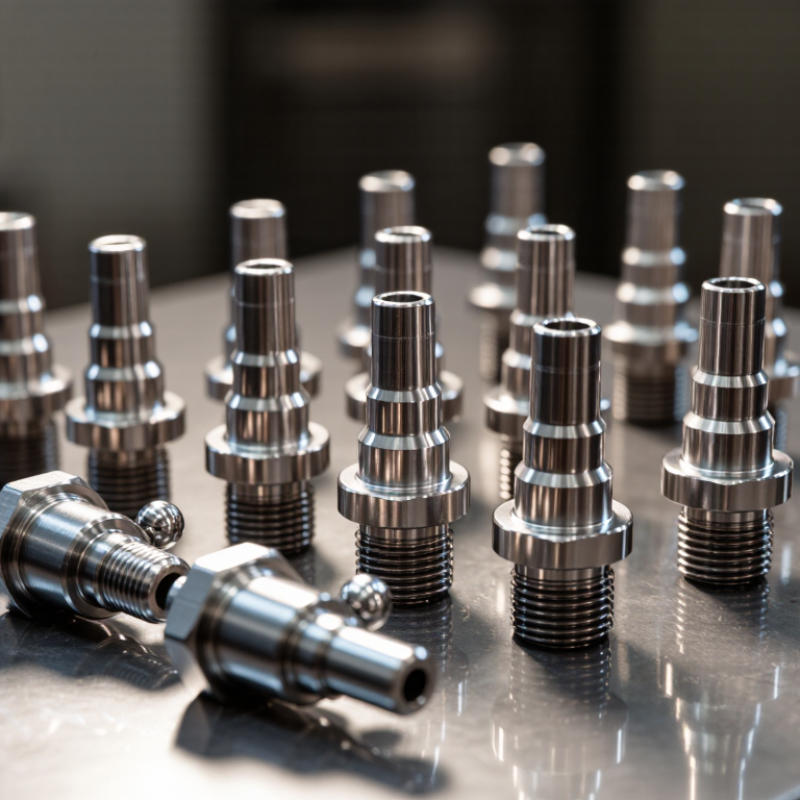
A Zerk grease fitting, also called a grease nipple, is a compact one-way valve that lets a grease gun deliver lubricant into a machine joint. Pressure pushes its small internal ball aside; when the gun is removed, the ball helps keep dirt out. Simple hardware. Correct fit matters: thread type and size must match the receiving port.
These fittings are common on vehicle suspension joints, agricultural equipment, construction machinery, trailer hubs, and conveyor pivots. They help replenish grease where metal parts move under load, but they do not replace inspection. The NLGI 2022 Global Grease Production Survey estimated global grease output at about 2.4 million metric tonnes in 2021. That figure describes grease production, not fitting use, but it shows the scale of lubrication demand. In practice, follow the equipment maker’s grease type and service interval. Too little grease can leave a joint dry; too much may damage seals or force contaminants inward. A fitting can be missed during routine servicing, especially when mud hides its head. That small oversight deserves a second look.
China’s zerk grease fitting manufacturers should be evaluated on repeatable quality, not catalog claims. Check thread dimensions, ball-check movement, sealing, and corrosion resistance across multiple production batches. A fitting may look sound yet leak under pressure. Ask for inspection records, material specifications, and test methods, then compare them with samples from routine production. Small details matter: a rough thread can slow assembly, while a sticking ball can block grease flow.
Quality systems offer useful evidence, but they are not proof of product performance. The ISO Survey 2022 recorded more than one million valid ISO 9001 certificates worldwide, showing how widely quality management systems are used. Certification can indicate documented controls; it cannot confirm that a specific fitting meets your pressure or service requirements. Review corrective-action records, calibration logs, and batch traceability. Also assess manufacturing capacity, delivery consistency, and clear technical communication. A polished audit file can still miss a weak process. That is worth checking twice. A practical evaluation combines documents with dimensional checks and functional testing on production samples. Ask suppliers to explain failures, not just pass rates. Their answers can reveal more than a brochure.
China’s Top 10 Zerk Grease Fitting Manufacturers should be judged by evidence, not directory placement. China’s National Bureau of Statistics reported that manufacturing value added grew 5.0% in 2023. This signals a large industrial base, but it does not rank grease-fitting factories. A credible shortlist should show product specifications, production controls, and verifiable customer references.
Compare manufacturers on practical details: thread accuracy, ball-check performance, corrosion resistance, and leak testing. Ask whether they make straight, angled, and button-head fittings in materials such as zinc-plated steel or stainless steel. Request inspection records and sample parts. A neat catalogue is useful, but it cannot prove consistent quality. Small differences matter.
Tips: Ask for thread-gauge results and salt-spray test conditions. Check that samples match the quoted drawings and materials. Confirm production capacity and lead times in writing. Don’t treat export claims as proof of rank. A supplier may be capable, yet still need closer review.
A technical reference for common metric thread designations used when comparing grease fitting specifications.
The bars show the nominal major diameter indicated by each metric thread size (M6, M8, M10, and M12), in millimeters. These are standard thread dimensions, not company rankings or market-share data; fitting availability varies by supplier.
Comparing grease fitting manufacturers is more useful when you examine the parts, not just catalog size. Check whether each supplier offers straight, angled, and flush fittings in the thread sizes your equipment requires. Small differences matter. A fitting that seats poorly can leak grease or complicate routine servicing.
Manufacturing capabilities vary. Some factories focus on high-volume, standard fittings, while others handle custom dimensions and smaller production runs. Ask about material options, machining tolerances, surface treatments, and how threads are checked. A sample can reveal rough edges, uneven plating, or a cap that does not seat cleanly. Requesting inspection records and batch traceability also helps distinguish a repeatable process from a polished sales pitch.
Testing deserves close attention. Ask how the manufacturer checks pressure resistance and leakage, and whether tests reflect your operating conditions. Confirm lead times, minimum order quantities, and how design changes are reviewed. These details can affect the real cost more than the unit price. The comparison is not always tidy; a capable factory may still have limits in documentation or customization. That is worth checking before placing a large order.
When comparing Chinese zerk grease fitting manufacturers, buyers should verify the details behind each quotation. Ask for controlled drawings, thread tolerances, material grades, and documented inspection results. A fitting may look identical to another, yet a slightly mismatched thread can damage a service point. Small details matter.
Check how the supplier tests ball-check function, pressure resistance, and corrosion protection. Request recent test records, batch traceability, and samples from regular production—not only specially prepared samples. Confirm that the chosen steel and surface finish suit the equipment’s environment, especially where fittings face water, road salt, or frequent cleaning. Communication matters too. A clear response to a technical question often reveals more than a polished catalog.
The U.S. Department of Energy’s Operations & Maintenance Best Practices guide cites industry estimates that predictive maintenance can reduce costs by 8–12% compared with preventive maintenance, and 30–40% compared with reactive maintenance. These figures are not a guarantee for every plant, but they show why dependable lubrication points matter. Buyers can ask suppliers how fitting consistency supports routine greasing and reduces leaks or blockages. One limitation: supplier test reports vary in scope, so compare methods and acceptance criteria, not just pass marks.
Supplier evaluation checklist — these criteria are for comparing suppliers and do not represent a company ranking.
| No. | Evaluation Dimension | What Buyers Should Verify | Why It Matters |
|---|---|---|---|
| 1 | Thread and size compatibility | Confirm the exact thread system, nominal size, pitch, and tolerance on the drawing or purchase specification. Common systems include metric threads, Unified inch threads covered by ASME B1.1, and NPT pipe threads covered by ASME B1.20.1. Ask how thread fit is checked. | A fitting with the wrong thread or tolerance may not install correctly or seal as intended. |
| 2 | Fitting style and geometry | Specify the required form, such as straight, 45-degree, or 90-degree fittings, and confirm the head style and dimensions against the application drawing. Request samples when clearances are tight. | Angle, head, and overall dimensions affect access for the grease gun and clearance around nearby components. |
| 3 | Material and base-metal documentation | State the required material, such as carbon steel or stainless steel, and ask for material specifications and lot traceability where required. Confirm any material substitutions in writing. | Material selection influences strength, corrosion behavior, and suitability for the operating environment. |
| 4 | Finish and corrosion testing | Identify the coating or finish, including any required coating thickness or appearance criteria. If salt-spray testing is specified, agree on the ISO 9227 test method, exposure duration, and acceptance criteria; request the relevant test report. | A named finish and defined test criteria make corrosion-resistance claims easier to evaluate. Salt-spray results alone do not establish service life in every environment. |
| 5 | Pressure and operating conditions | Ask for the supplier’s documented pressure rating and the conditions behind it. Check compatibility with the grease, temperature range, vibration, and service environment of the intended application. | Allowable operating conditions depend on fitting design, material, and installation; avoid relying on an unspecified or generic rating. |
| 6 | Dimensional inspection and process control | Review the inspection plan for critical dimensions, thread checks, visual defects, and sampling frequency. If attribute sampling is used, define the lot and acceptance plan; ISO 2859-1 is one standard buyers may specify for sampling by attributes. | Documented checks help control consistency between production lots and provide a clear basis for acceptance. |
| 7 | Quality system and traceability | Request current quality-system documentation and clarify how production lots, inspection records, and nonconforming product are identified. Treat an ISO 9001 certificate as evidence of a quality-management system, not as product approval. | Traceable records support investigations and corrective actions if a batch has a quality issue. |
| 8 | Sampling and approval process | Agree on drawing approval, sample quantity, inspection measurements, and who pays for samples and tooling. Approve a production sample against the final specification before authorizing volume orders. | Early approval reduces the risk of discovering fit or finish differences after production has begun. |
| 9 | Production capacity and lead time | Request a realistic production and delivery schedule for the required order quantity, including tooling or setup time, inspection time, and contingency for peak demand. Confirm how schedule changes are communicated. | A technically suitable supplier must also be able to meet the buyer’s replenishment and delivery requirements. |
| 10 | Packaging, documentation, and after-sales support | Specify packaging that protects parts from damage, contamination, and corrosion during storage and transit. Confirm labeling, packing lists, inspection documents, complaint response contacts, and the process for replacement or corrective action. | Suitable packaging and clear documentation help maintain part condition and make receiving, storage, and issue resolution more efficient. |
Buyer tip: Share a controlled drawing and written acceptance criteria when requesting quotations so suppliers are quoting against the same specification.