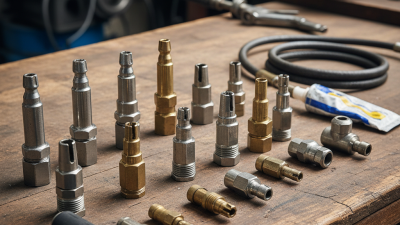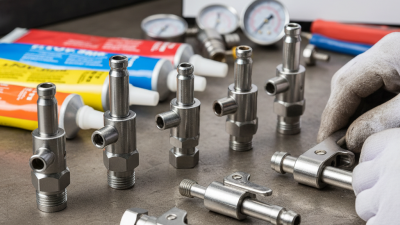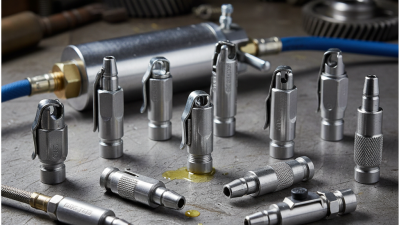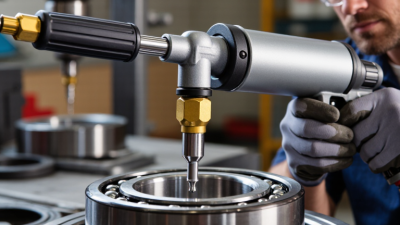
Choosing the right locking grease coupler can make routine equipment maintenance faster, cleaner, and safer. A suitable coupler should grip the grease fitting firmly without damaging its jaws, threads, or seals. In practical workshop use, small details matter. Hose pressure, fitting condition, grease viscosity, and access space all influence performance.
A reliable locking grease coupler should match the grease gun and the machine’s lubrication system. Check the rated working pressure, connection size, locking mechanism, and release method before purchase. A coupler that locks securely can reduce leaks around stubborn fittings. It can also leave both hands available for handling a manual grease gun or positioning a hose. That sounds simple.
It is not always simple.
I have found that highly rated couplers may still feel awkward in cramped areas. Some release collars become difficult to operate when grease, dust, or rust builds up. This is why product descriptions should never replace hands-on evaluation. Look for hardened components, durable seals, controlled tolerances, and clear manufacturer specifications. Independent testing, user feedback, and maintenance experience can reveal weaknesses that photographs hide.
This guide explains how to compare locking systems, pressure ratings, materials, compatibility, and ergonomics. It also considers long-term reliability, because a coupler used weekly faces very different demands from one used occasionally. The best choice is not always the most expensive model. It is the one that fits the application, stays attached under pressure, and releases without unnecessary force. A thoughtful selection reduces grease waste and helps protect valuable equipment.
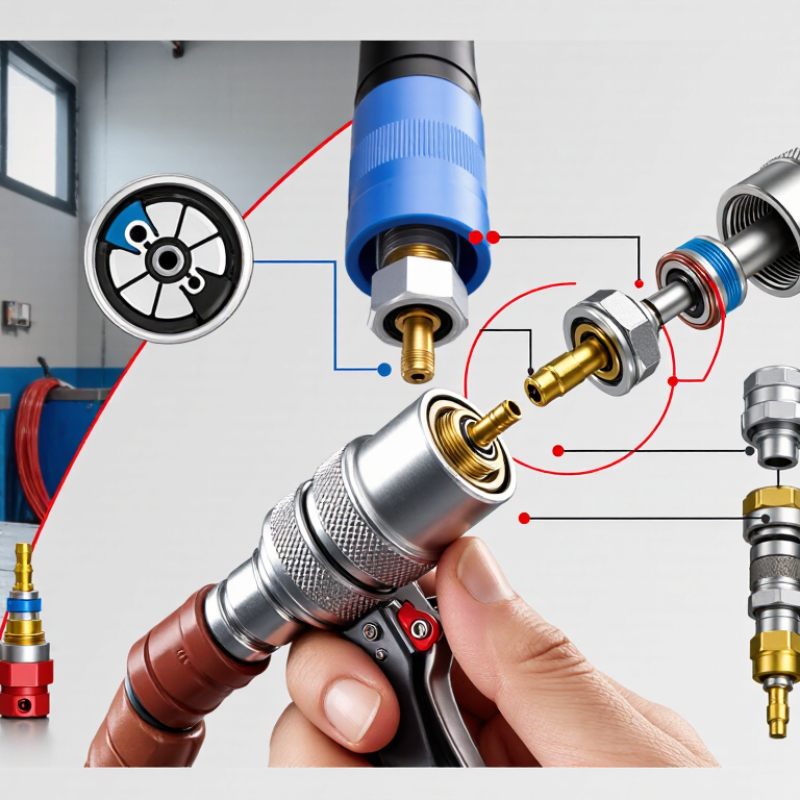
A locking grease coupler uses spring-loaded jaws to grip a grease fitting securely. Its threaded sleeve moves forward and locks the jaws around the fitting. This design helps prevent leakage during high-pressure lubrication. Inside, a small sealing tip channels grease through the coupler and into the bearing. The seal must stay centered. Even slight wear can cause messy backflow.
In practical maintenance work, coupler fit matters as much as pump pressure. Match the coupler opening with the fitting profile and size. Check the working pressure rating before use. Thick grease may require a stronger pump stroke and a smoother internal passage. Limited access also affects your choice. A rigid coupler works well in open spaces, while a flexible hose helps around guards and tight corners. I have seen operators blame the pump when a worn jaw caused the problem. That mistake is easy to repeat.
Tips: Clean the fitting before connection. Push the coupler straight onto the fitting. Lock the sleeve fully, then pump slowly. If grease escapes around the tip, stop and inspect the seal. Never twist the coupler under pressure. Release the lock before pulling it away. A simple alignment check can prevent hours of cleanup. Still, no coupler stays perfect forever; inspect its jaws and seal regularly.
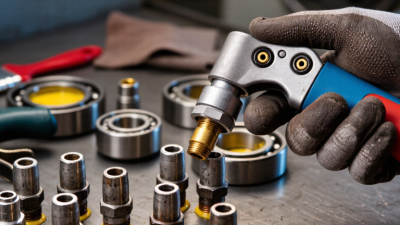
Choosing a locking grease coupler starts with identifying your grease gun. Check whether it is manual, pneumatic, or battery powered. Each type can produce different pressure and flow patterns. Inspect the gun outlet thread before purchasing a coupler. Many use a common tapered thread, but metric or specialty connections also exist. Never force the coupler onto the outlet.
Then examine the grease fitting on your equipment. Most fittings have a small rounded nipple, often called a zerk fitting. Measure its shape, size, and access angle. Standard jaw couplers may fit common nipples, while narrow or angled fittings can require a slimmer design. A locking coupler should grip firmly without excessive hand pressure. It should release cleanly after pressure drops.
Compatibility involves more than thread size. Confirm the coupler’s pressure rating matches your grease gun and lubrication task. Check the hose connection, seal condition, and available clearance around the fitting. Clean dirt from the nipple first. A quick test with fresh grease can reveal leaks or poor engagement. I have seen users blame the coupler when a worn fitting caused the problem. That assumption is not always correct. Sometimes, the fitting itself needs replacement. Choose carefully, and inspect the connection during every service interval.
A locking grease coupler should stay attached under pressure, vibration, and awkward hose angles. In workshop testing, a four-jaw mechanism usually grips the fitting securely. Its sleeve must release smoothly after pressure drops. Ball-lock designs can connect quickly, but worn balls may reduce holding strength. A threaded coupler offers firm engagement, although it takes longer to attach.
Small details matter.
Material choice affects service life. Hardened steel handles repeated pressure and rough handling well. Stainless steel resists moisture and corrosive environments more effectively. Zinc-plated steel costs less, but its surface may suffer after scratches or poor storage. Check the coupler body, spring, jaws, and connector separately. They may not use the same material.
Sealing performance deserves close attention. Nitrile seals suit common lubricants and moderate temperatures. Fluoroelastomer seals tolerate higher heat and more aggressive fluids, but they usually cost more. A polyurethane seal can resist wear during frequent coupling. Still, compatibility charts should guide the decision. I once saw a new coupler leak because the seal looked intact but had hardened from heat. Clean the fitting before connection, then inspect leakage under working pressure. Do not judge sealing quality by hand-tightness alone. That test is misleading. Replacement seals are useful, but some couplers make servicing unnecessarily difficult. This is where product design deserves more scrutiny.
How to Choose the Right Locking Grease Coupler
A locking grease coupler should match your equipment’s actual working pressure, not its advertised burst pressure. Check the pressure rating under your operating temperature and grease type. Thick grease can increase resistance inside narrow passages. I learned this after a coupler released slowly during a cold workshop inspection. The fitting was correct, but the rating was incomplete without temperature data.
Ease of use matters when access is awkward or your gloves are oily. Look for a sleeve that locks firmly with one hand and releases without excessive force. A visible lock position helps prevent accidental disconnection. Test the coupler on your own fittings before purchase. Small differences in fitting wear can affect grip. Some designs feel smooth on a new fitting but become stubborn after repeated use.
Maintenance needs are often underestimated. Wipe the coupler after each service and remove hardened grease around the jaws. Inspect the seal, spring, and gripping teeth for cuts, distortion, or corrosion. Replace damaged parts promptly. Do not assume more grease improves the mechanism. Excess grease can attract abrasive dust. Keep a simple service record for high-use equipment, including pressure, temperature, and replacement dates. I also recommend checking technical data against recognized testing requirements, although documentation may not reflect every field condition. The ideal choice depends on real access, cleaning habits, and fitting quality.
Comparing typical maximum working-pressure ratings for common grease-coupler designs
Select a coupler whose rated working pressure exceeds the lubrication system’s operating pressure. Common published ratings range from approximately 6,000 to 10,000 psi.
Locking sleeves reduce the need to hold the coupler against the fitting during greasing and can help prevent accidental disconnection.
Inspect the jaws, sleeve, seals, and release mechanism regularly. Replace worn seals or gripping parts when leakage, slipping, or difficult release occurs.
Values represent typical maximum working-pressure ratings for generic coupler categories. Always verify the exact rating, fitting compatibility, and manufacturer specifications before use.
Choosing the best locking grease coupler starts with the lubrication application, not the coupler’s appearance. Check the grease fitting size, operating pressure, hose connection, and available working space. A coupler that fits standard fittings may still fail in a narrow joint or behind a machine guard.
In field maintenance, I look for a secure lock, controlled release, and a clear connection point. The coupler should grip the fitting without constant hand pressure. This reduces grease leakage and keeps the operator’s hands away from moving components. For high-pressure systems, select a model rated above the equipment’s maximum pressure. Temperature also matters, especially near bearings, engines, or outdoor machinery. Cold grease can make connection and release more difficult.
The locking mechanism should match the service routine. A slim coupler suits crowded areas, while a flexible hose helps reach recessed fittings. Inspect the jaws and seal regularly. Worn parts can create false confidence. I have seen operators blame the grease gun when the real problem was a damaged coupler seal. That mistake wastes time and lubricant.
Do not choose by pressure rating alone. Ease of release matters too. A coupler that locks firmly but releases poorly can delay maintenance and encourage unsafe handling. Test the fit on the actual equipment when possible. One compromise remains: the strongest coupler is not always the most practical one. Recheck access, contamination, and operator comfort before placing it into daily service.
| Lubrication Application | Recommended Coupler Style | Common Connection | Typical Working Pressure | Grease Compatibility | Recommended Features | Key Selection Check |
|---|---|---|---|---|---|---|
| Routine equipment servicing | Standard locking jaw coupler | 1/8 in. NPT female inlet | 6,000–10,000 psi | Most NLGI grades, including NLGI 1 and NLGI 2 |
|
Confirm that the coupler rating is higher than the grease gun’s maximum pressure. |
| High-pressure bearings and pins | Heavy-duty locking coupler | 1/8 in. NPT female inlet | 10,000 psi or higher | NLGI 1–2 greases and high-pressure EP greases |
|
Use only when the coupler, hose, gun, and grease fitting share a compatible pressure rating. |
| Frequent disconnect and reconnect cycles | Quick-release locking coupler | 1/8 in. NPT or hose-end adapter | Typically 6,000–10,000 psi | Standard lithium, calcium, aluminum, and synthetic greases |
|
Choose a design that can be released without pulling force on the hose or grease fitting. |
| Restricted or hard-to-reach grease points | Low-profile or slim locking coupler | 1/8 in. NPT with compact body | 6,000–10,000 psi | Greases suitable for the equipment manufacturer’s service specification |
|
Measure the clearance around the fitting before selecting the coupler diameter and length. |
| Mobile machinery and field maintenance | Heavy-duty locking coupler with protective sleeve | 1/8 in. NPT female inlet | 8,000–10,000 psi | NLGI 1–2 multipurpose or extreme-pressure grease |
|
Prioritize resistance to dirt, vibration, impact, and outdoor temperature changes. |
| Cold-weather lubrication | Locking coupler with low-temperature seals | 1/8 in. NPT female inlet | 6,000–10,000 psi | Low-temperature grease, commonly NLGI 0 or NLGI 1 where specified |
|
Check the operating temperature range of both the grease and the coupler seals. |
| High-temperature equipment | Locking coupler with heat-resistant seals | 1/8 in. NPT female inlet | Application-dependent | High-temperature grease approved for the equipment |
|
Verify the coupler’s continuous and intermittent temperature ratings before use. |
| Automatic or centralized lubrication | System-compatible locking coupler or dedicated adapter | Thread and port must match the lubrication system | Specified by the system design | Grease must meet the pump and metering-device requirements |
|
Match thread type, flow capacity, pressure rating, and grease consistency to the complete system. |