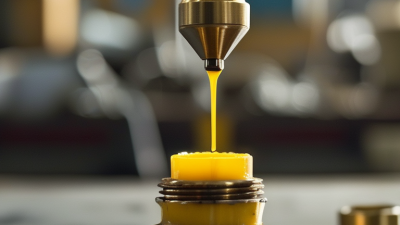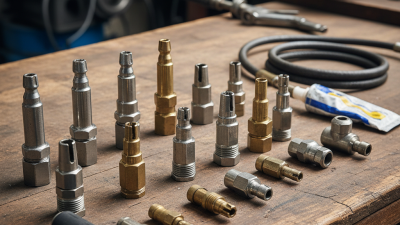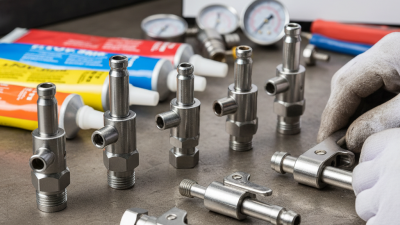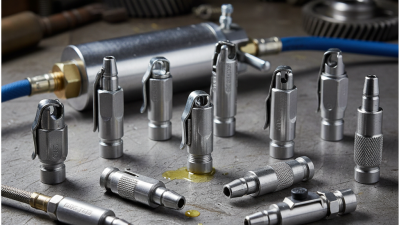
A grease gun coupler connects a grease gun hose to a grease fitting, directing lubricant into a bearing or other service point. It may look like a small metal sleeve, but its grip affects whether grease reaches the fitting or escapes around it. A poor match can mean messy hands, wasted lubricant, and a fitting that still needs attention. Small part. Real impact.
The familiar design uses spring-loaded jaws to hold a standard fitting. Lock-on couplers clamp more firmly, which can help when a fitting is awkward to reach or requires repeated pumping. Swivel couplers turn with the hose, reducing strain in tight spaces. Needle adapters serve certain recessed or small lubrication points, but they are not universal replacements for standard couplers. Names and designs can vary between manufacturers, so checking the product specifications matters.
There is no single best option for every workshop. A coupler that seals well on one fitting may feel stubborn or leak on another; that detail is easy to overlook. This guide explains what a grease gun coupler does, how common types differ, and what to check before choosing one. It also covers practical clues, such as a loose connection, grease escaping at the fitting, or a coupler that will not release cleanly. Matching the coupler to the fitting, hose, and working conditions can make routine lubrication more controlled and less frustrating. Exact compatibility should be confirmed with the equipment and coupler instructions.
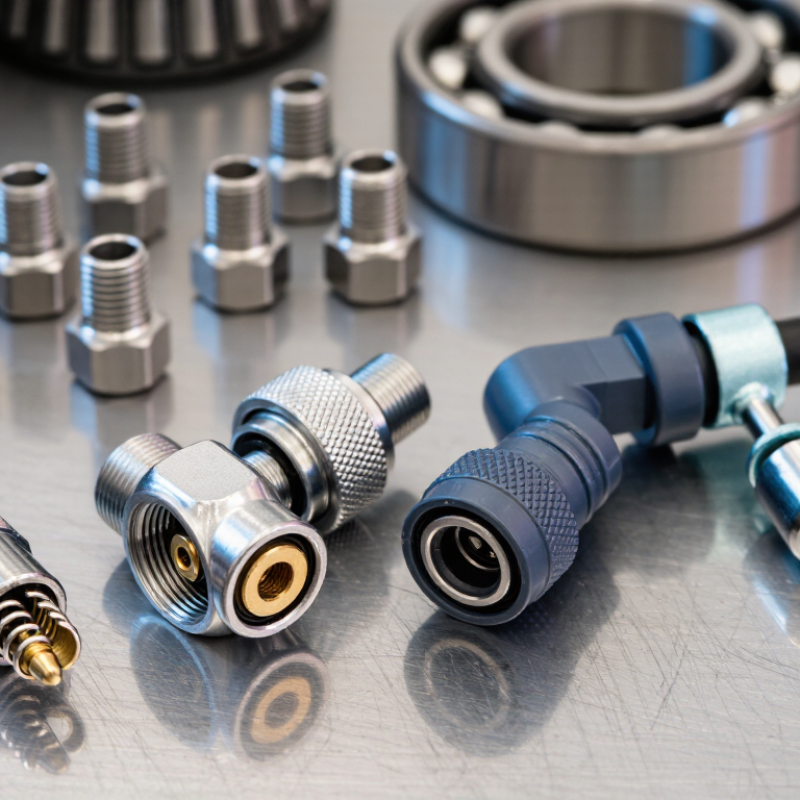
A grease gun coupler is the small connector at the end of a grease gun hose. It grips a grease fitting, often called a zerk, and creates a seal so lubricant can pass into the joint. Many standard couplers use spring-loaded jaws inside a metal sleeve. The jaws catch the fitting’s narrow neck while the sleeve helps hold the connection in place. Small part, important job.
To connect one, wipe dirt from the fitting and coupler opening first. Align the coupler straight with the fitting, then press it on firmly until it seats. Pump the grease gun slowly and watch for grease escaping around the connection. A little resistance is normal; a bent fitting or poor alignment can make attachment difficult. When finished, release the coupler’s grip as its design allows, often by pulling back a sleeve, and remove it straight. Do not yank the hose sideways.
Some couplers have a standard rigid body, while flexible or angled versions can help reach recessed fittings. Locking designs may stay attached under pressure, but they still need to match the fitting and hose setup. I have found that forcing a stubborn coupler usually wastes time and can damage the fitting. Check for wear, clogged jaws, or a damaged seal instead. Exact release steps vary by model, so follow the equipment instructions when available.
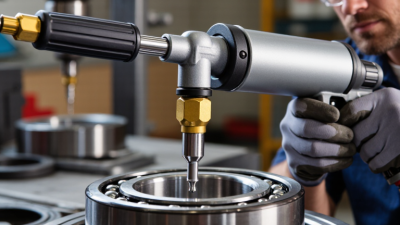
A grease gun coupler connects the gun’s outlet to a grease fitting, often called a zerk. Its job is to hold a sealed path while pressure pushes lubricant into the fitting. The operator presses the coupler squarely onto the fitting, then pumps the gun’s handle. Inside the fitting, pressure moves a small ball valve, allowing grease to enter a bearing or joint. Keep the connection steady. A slight tilt can let grease escape around the fitting instead.
Couplers come in several forms. A standard jaw coupler grips the fitting with small internal jaws, while a locking style stays attached during repeated strokes. A needle adapter delivers grease through a narrow access point when a regular fitting is unavailable. Each type needs a compatible connection and enough clearance around the lubrication point. If grease leaks at the joint or the handle suddenly feels unusually hard, stop and check the fit, blockage, and fitting condition. A coupler can look properly attached and still leak; that detail is easy to miss.
A grease gun coupler joins the gun’s hose or outlet to a grease fitting, often called a zerk. Its small parts control grip, sealing, and release. The coupler body carries grease through an internal passage. At the tip, hardened jaws engage the fitting’s head. A sliding sleeve usually moves those jaws, helping the coupler lock on or come free. Small parts matter.
Inside the tip, a seal helps limit leakage around the fitting. Some designs also include a check valve to reduce grease escaping after delivery. Couplers vary in shape and access: a standard straight tip suits open fittings, while angled or flexible connections can reach around brackets and tight spaces. Check the coupler’s pressure rating and thread compatibility against the grease gun and hose specifications. Ratings differ.
In use, a coupler should seat squarely, then release without excessive force. If it leaks, wobbles, or stays stuck, inspect the jaws and seal for wear or trapped dirt; forcing it can damage the fitting. Wipe the tip before connecting, and follow the tool maker’s instructions for relieving pressure before removal. That step is easy to miss. No coupler fits every awkward corner, and even a sound design can feel clumsy in a cramped assembly.
| Type or Part | Key Design and Features | Typical Use | Practical Considerations |
|---|---|---|---|
| Standard 4-Jaw Coupler | Uses several internal gripping jaws, commonly four, to engage the head of a grease fitting (zerk). A sliding sleeve helps secure the coupler and release it after greasing. | General-purpose lubrication of accessible, standard grease fittings. | Push it straight onto a clean fitting. If grease escapes around the connection, check alignment, jaw wear, and fitting condition. |
| Lock-On Coupler | A locking sleeve or latch holds the coupler onto the fitting, helping maintain a secure connection without continuously holding it in place. | Repeated greasing or situations where keeping the coupler attached is useful. | Confirm that the locking mechanism has engaged. Release it before pulling the coupler away to avoid damaging the fitting or jaws. |
| Flexible-Hose Coupler | A standard-style coupler fitted to a flexible hose, allowing the nozzle to move independently of the grease gun body. | Fittings in recessed, angled, or awkward-to-reach locations. | Do not sharply kink or twist the hose. The hose and coupler must be rated for the grease gun’s working pressure. |
| Rigid-Extension Coupler | A coupler mounted on a rigid tube or extension, providing a straight, firm connection between the gun and fitting. | Accessible fittings where controlled, direct positioning is preferred. | Requires good alignment with the fitting. Avoid levering sideways, which can bend the extension or damage the fitting. |
| Angled or 90-Degree Coupler | Positions the coupler opening at an angle to the extension or grease gun connection. | Fittings located close to housings, brackets, or other obstructions. | Check that the angle leaves enough room to seat and release the coupler. Angled access does not replace correct fitting alignment. |
| Swivel Coupler | A rotating joint lets the coupler change orientation relative to the hose or extension. | Restricted-access points where a fixed orientation would make connection difficult. | Keep the swivel clean and check for leakage or looseness. Its pressure rating and connection thread must suit the equipment. |
| Needle-Point Adapter | A narrow dispensing tip that replaces or attaches to a standard coupler; it applies grease through a small opening rather than gripping a conventional fitting. | Small ports, narrow passages, or applications requiring a precise grease deposit. | It is an adapter, not a standard zerk-gripping coupler. Use only where the equipment design permits this application method. |
| Flush-Fitting Adapter | A specialized tip designed to connect with compatible flush-type grease fittings, which are typically low-profile and do not use the usual protruding zerk head. | Lubrication points equipped with flush-type fittings. | Requires a matching fitting and adapter. It is not interchangeable with a standard coupler on an ordinary zerk. |
| Coupler Jaws | Internal gripping elements that engage the grease fitting head and help retain the coupler during pumping. | Secure connection between a conventional coupler and compatible fitting. | Worn, damaged, or contaminated jaws can cause leakage, poor grip, or difficulty removing the coupler. |
| Sleeve and Release Mechanism | The outer sliding sleeve operates or assists with the coupler’s grip and release; some designs include a separate locking action. | Attaching and removing the coupler from a grease fitting. | Keep the sleeve free of dirt and follow the coupler’s release instructions. Do not force a coupler that is still locked onto a fitting. |
| Body, Inlet, and Seal | The body supports the jaws and passage; the inlet connects to a hose or extension, and internal seals help contain grease under pressure. | Structural support and delivery of grease from the gun to the coupler tip. | Connection threads vary by product and region, including pipe-thread and metric options. Verify thread type, pressure rating, and seal compatibility before fitting. |
| Selection note: Match the coupler or adapter to the grease fitting style, access angle, connection thread, and pressure rating. Depressurize the grease gun before servicing or changing attachments, and follow the equipment manufacturer’s instructions. | |||
A grease gun coupler connects the gun to a fitting, but the contact style matters. The common four-jaw coupler grips standard angled grease fittings and suits routine servicing. A lock-on version holds itself in place, freeing one hand near a wheel hub or suspension joint. It can also be stubborn to remove if pressure remains in the line. Small detail. A swivel coupler adds movement where a straight hose would kink; it helps in cramped spaces, though it cannot fix a poorly aligned fitting.
Needle couplers serve flush-type fittings, where a standard jaw head cannot seat. Button-head couplers fit larger mushroom-shaped fittings used on some heavy equipment. They offer a broad contact area, unlike the narrow needle tip.
NLGI’s 2021 Grease Production Survey estimated worldwide grease output at about 1.08 million metric tonnes. That figure describes lubricant use, not coupler performance, but it helps explain why service setups vary widely.
Check the fitting shape and working clearance before choosing. I would not assume one coupler handles every point; that shortcut often causes messy leaks.
Choosing a grease gun coupler starts with the fitting, not the tool’s appearance. Check whether the machine uses a standard or button-head grease fitting, then match the coupler’s jaws or opening to it. Fit matters. A mismatch may leak, slip off, or block grease from reaching the bearing. Inspect the fitting for wear and hardened grease; even a suitable coupler can struggle with a damaged nipple.
Before buying, verify the thread size and connection type at the grease gun end. Some couplers attach directly, while others need an adapter or extension. Compare the coupler’s pressure rating with the gun’s output, too. A rigid coupler can be awkward near a wheel hub. A flexible hose may help around corners. Not just pressure. Quick-release styles can save time, but confirm that the locking mechanism releases cleanly under pressure.
For routine servicing, a four-jaw locking coupler often holds securely on common fittings. That is not universal. A narrow space, worn nipple, or frequent coupling changes may call for another design. Keep the coupler clean, press it squarely onto the fitting, and stop if grease escapes around the jaws. Forcing it rarely improves the seal; replacing a damaged fitting may be the better fix.