For global buyers, selecting the right zerk fitting is not a minor purchasing decision. It affects grease delivery, joint protection, maintenance time, and equipment life. A fitting may look simple, yet thread accuracy, steel quality, plating, ball retention, and sealing performance can vary sharply between manufacturers. In muddy construction sites, a blocked fitting can leave a pin dry and vulnerable within hours.
Jim Fitch, founder of Noria Corporation and a respected lubrication-reliability educator, states, “Lubrication reliability begins with controlling contamination.” His observation applies directly to every zerk fitting used in demanding machinery. Clean threads, a dependable check ball, and compatible grease tools matter more than attractive packaging. They also reveal why product testing should accompany supplier claims.
This guide examines the 2026 zerk fitting manufacturers that global buyers should evaluate. It considers manufacturing capacity, material consistency, export experience, customization, quality systems, and technical support. The strongest suppliers usually provide dimensional drawings, sample testing, batch traceability, and clear pressure ratings. Some buyers may still focus mainly on unit price. That can be a costly shortcut.
Real-world performance is rarely perfect. Even a reputable manufacturer may face inconsistent plating, delayed documentation, or regional communication gaps. Buyers should inspect samples and question assumptions before approving large orders. A fitting that passes a catalog review may behave differently beside abrasive dust, water, vibration, and repeated grease-gun pressure. This overview aims to support careful comparison, not blind confidence, across international industrial supply chains.
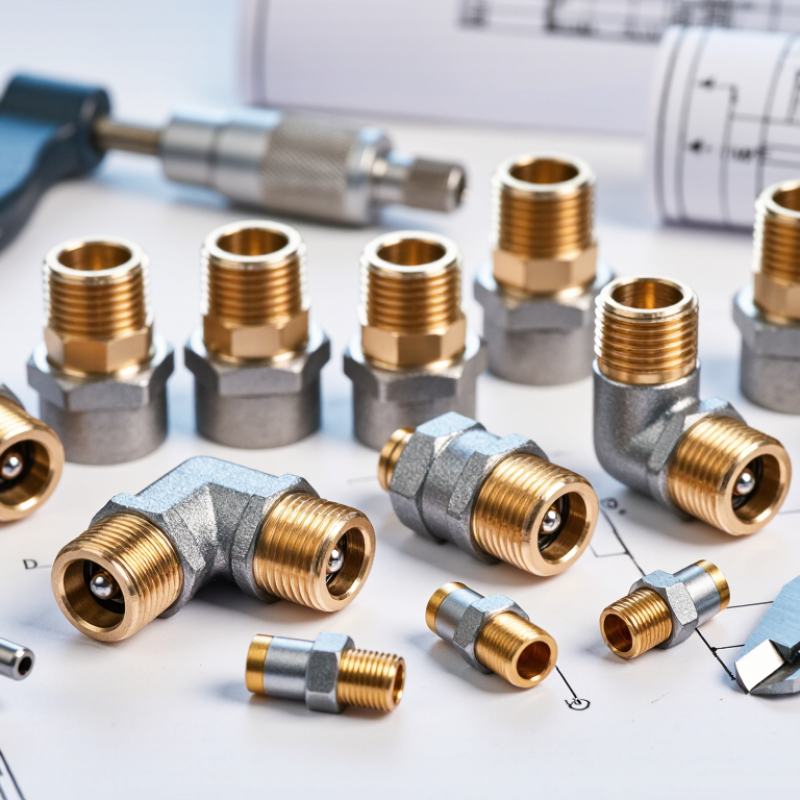
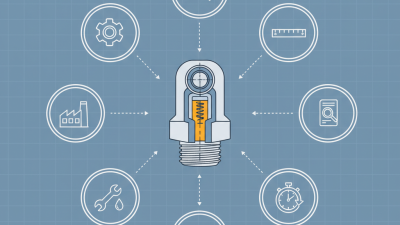
A zerk fitting is a small metal valve that delivers grease into a bearing, joint, or bushing. It usually contains a spring-loaded ball. When a grease gun presses against the fitting, internal pressure moves the ball inward. Grease then travels through the passage and reaches the lubrication point. After pressure stops, the spring returns the ball and helps block dirt and moisture.
The mechanism is simple, but installation details matter. A clean fitting prevents abrasive particles from entering the joint. The grease gun should connect squarely, not at an angle. Excess pressure can damage seals or hide a blocked passage. A common field mistake is adding grease without checking the old lubricant’s condition. Dark, hardened grease may indicate contamination, heat, or poor compatibility.
The U.S. Department of Energy’s Operations & Maintenance Best Practices Guide reports potential downtime reductions of 35–45% through predictive maintenance programs. Proper lubrication supports that result, although a zerk fitting cannot correct poor inspection practices. Grand View Research estimated the global industrial lubricants market at about USD 73.1 billion in 2023, with continued growth expected through 2030. This scale reflects the importance of reliable grease delivery across factories, vehicles, and heavy equipment. Buyers should verify thread standards, body material, pressure rating, access angle, and grease compatibility. Small differences matter.
| Fitting Type | Typical Construction | Common Connection | How It Works | Typical Applications | Key Buying Considerations |
|---|---|---|---|---|---|
| Straight Zerk Fitting | Usually machined or formed steel; stainless steel is used where corrosion resistance is required. | Metric UNF/UNC BSP | A spring-loaded ball check valve opens when the grease-gun coupler applies pressure and closes after lubrication. | General machinery, bearings, agricultural equipment, construction equipment and vehicle chassis. | Confirm thread size, thread form, seat design, overall length and corrosion-protection requirements. |
| 45-Degree Zerk Fitting | Angled body with a steel or stainless-steel fitting head and a standard ball-check mechanism. | Threaded Tapered | The angled head provides access for a grease gun where a straight fitting cannot be reached easily. | Suspension joints, compact housings, off-road equipment and components with restricted access. | Check the angle, head clearance, wrench size and whether the grease-gun coupler can lock securely. |
| 90-Degree Zerk Fitting | Right-angle body, commonly produced from plated carbon steel or stainless steel. | Metric SAE Thread BSP | Redirects the lubrication point by 90 degrees while retaining the one-way valve function. | Wheel hubs, pins, bushings, hinges and machinery assemblies with side-access lubrication points. | Measure available height and width; verify that the fitting will not interfere with moving parts. |
| Flush-Type Fitting | Low-profile body with a recessed or nearly level lubrication head. | Threaded Drive-In | A special flush-type coupler engages the recessed head to inject grease while reducing snagging risk. | High-clearance-risk machinery, sliding surfaces, rollers and protected industrial assemblies. | Requires a compatible flush grease-gun coupler; confirm head diameter and installation depth. |
| Button-Head Fitting | Larger, broad-headed fitting designed for a matching high-volume lubrication coupler. | Threaded Weld-On | The coupler seals around the button head and delivers grease through the internal check valve. | Heavy equipment, earthmoving machinery, mining equipment and large pins or bushings. | Use only the matching coupler; compare head diameter, flow requirement and contamination protection. |
| Drive-In Fitting | Press-fit body, often with a serrated shank; available in plated steel and other corrosion-resistant materials. | Press-Fit Non-Threaded | The shank is driven into a prepared hole, while the check valve admits grease during servicing. | Sheet-metal parts, small housings, electric motors and applications where tapping a thread is impractical. | Hole diameter and fit tolerance are critical; verify retention strength and wall thickness. |
| Self-Tapping Fitting | Hardened or specially formed threaded body that creates its own thread during installation. | Self-Tapping Metric or SAE | The cutting thread forms a mating thread in a suitable pre-drilled hole and provides a grease passage. | Repair work, replacement points and components with limited access to conventional tapping tools. | Use the recommended pilot-hole diameter and installation torque to avoid cracking or poor retention. |
| Stainless-Steel Zerk Fitting | Stainless steel body and ball-check components, selected for improved resistance to rust and chemical exposure. | Metric UNF/UNC BSP | Operates like a standard Zerk fitting, but the material system is better suited to corrosive environments. | Food-processing surroundings, marine equipment, washdown areas and outdoor machinery. | Confirm stainless-steel grade, galvanic-compatibility requirements, operating temperature and lubricant type. |
| Protective-Cap Assembly | Zerk fitting supplied with a flexible or rigid cap that covers the lubrication head. | Threaded Press-Fit | The cap helps limit dust, water and debris entering the fitting before the next maintenance cycle. | Outdoor equipment, road vehicles, agricultural machinery and dusty industrial environments. | Check cap retention, temperature range, chemical resistance and compatibility with the grease-gun coupler. |