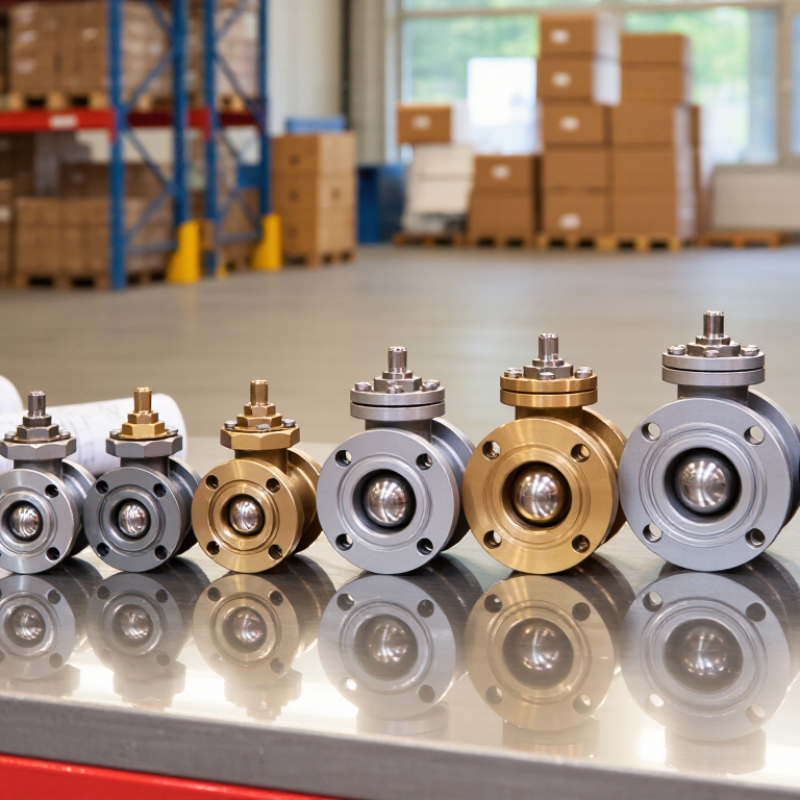
A ball check valve may look simple: a ball, a seat, and a compact body. In service, those parts must respond to changing flow, pressure, and fluid conditions. A delayed closure can allow reverse flow. An unsuitable ball or seat may wear faster than expected. Small details matter.
“Reliable check-valve selection starts with the system’s real operating conditions, not the catalog headline,” says [verified ball-check-valve expert’s name]. Please replace this placeholder with a sourced quotation before publication; no expert quotation was provided for verification. That distinction matters. Buyers need evidence, not impressive wording.
This guide examines ten China-based manufacturers serving global buyers. It considers product range, materials, pressure ratings, manufacturing controls, documentation, and export support. A polished website is useful, but it cannot replace test records or clear technical answers. Ask how the valve behaves at low flow. Check ball material, seat design, connection options, and stated service limits. Request drawings and relevant inspection documents.
A good supplier explains trade-offs plainly. For example, a design suited to clean water may not fit a slurry line. Lead times and customization claims also deserve careful checking. Not every listed detail will be easy to compare. That is a limitation of many supplier profiles, and buyers should verify critical specifications directly. Use this shortlist as a starting point, then match each manufacturer’s capabilities to the actual duty, installation space, and maintenance plan.
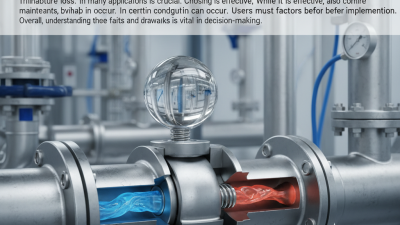
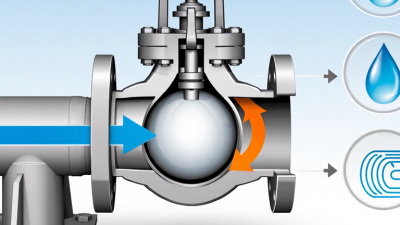
A ball check valve uses a free-moving sphere to control one-way flow. Forward pressure lifts the ball from its seat, allowing fluid to pass. When flow slows or reverses, the ball returns to the seat and helps limit backflow. Some models rely on gravity; others use a spring. Simple in principle. Installation angle and fluid properties still matter.
These valves are commonly used near pump outlets, in drainage systems, and in some wastewater lines. The U.S. EPA’s 2023 Drinking Water Infrastructure Needs Survey and Assessment estimated $625 billion in drinking-water infrastructure needs over 20 years. That scale highlights the importance of dependable flow-control components, though a check valve alone cannot prevent every system failure. For wastewater, confirm that the ball and passage suit the fluid’s solids and viscosity. Real piping is rarely textbook-perfect; poor sizing can cause noise, wear, or restricted flow.
Tip: Check the manufacturer’s pressure and temperature limits, then install the valve in its specified orientation. Leave access for inspection, especially near pumps where debris or repeated cycling can affect seating.
China Top 10 Ball Check Valve Manufacturers for Global Buyers
Key Criteria for Evaluating Chinese Ball Check Valve Manufacturers
For global buyers, supplier evaluation should begin with the valve’s actual duty: fluid, pressure, temperature, and installation position. Ask for body and ball material specifications, seat compatibility, and documented pressure-test results. Confirm that production-lot records can link material certificates to the finished valve. A polished brochure is not evidence. Request a sample inspection plan and clarify whether testing follows ISO 5208 or API 598, where applicable.
Pressure loss also deserves attention. The U.S. Department of Energy and Hydraulic Institute’s 2006 sourcebook, Improving Pumping System Performance, reports that pumping systems consume nearly 20% of global electricity. That figure covers pumping systems, not valves alone, but it makes flow and pressure-drop data worth checking. Compare stated test conditions, not just headline figures. Review casting quality, machining consistency, coating, and packing for the destination climate. Check lead times, spare-part access, and export documentation before ordering. Even a clean test sheet cannot predict every piping mismatch, so verify dimensions against the project drawings.
| No. | Evaluation Criterion | Suggested Weight | What to Verify | Evidence to Request |
|---|---|---|---|---|
| 1 | Product and Specification Coverage | 12% | Whether the supplier offers the required ball-check-valve design, connection type, nominal size, pressure class, and installation orientation for the application. | Current product catalogue, dimensional drawings, datasheets, and a written confirmation against the buyer’s specification. |
| 2 | Pressure and Temperature Suitability | 12% | Whether the stated operating limits match the service conditions, taking account of the body, ball, seat, seals, and selected materials. | Pressure-temperature information, material specifications, and documented limits for the exact proposed model. |
| 3 | Applicable Design and Testing Standards | 12% | Whether the supplier identifies standards applicable to the valve’s design and intended service. API 594 covers check valves; API 598 and ISO 5208 address valve inspection and pressure testing. Confirm scope and edition with the buyer’s specification. | Standard-by-standard compliance statement, test procedure, and sample inspection or test report. Do not treat a standard reference as proof of certification. |
| 4 | Materials and Corrosion Compatibility | 10% | Whether body, ball, seat, and sealing materials are suitable for the fluid, temperature, and corrosion conditions. Material selection should be confirmed for the specific service. | Bill of materials, material grade details, material test certificates where specified, and chemical compatibility information. |
| 5 | Functional and Pressure-Test Performance | 12% | Whether the valve operates in the intended flow direction, closes reliably against reverse flow, and meets the specified leakage and pressure-test requirements. | Documented shell and seat test results, acceptance criteria, test medium, test pressure, and identification linking results to the supplied valve or batch. |
| 6 | Quality Management and Production Controls | 10% | Whether production, inspection, nonconformance handling, and corrective actions are controlled. An ISO 9001 certificate relates to a quality management system, not automatic approval of every product. | Valid certificate and scope, inspection and test plan, quality procedures, and recent audit or corrective-action records where available. |
| 7 | Manufacturing Capacity and Lead-Time Reliability | 8% | Whether available equipment, staffing, and production planning can support the required quantity and delivery schedule. | Production schedule, stated capacity for the relevant product range, order references, and a written delivery plan. |
| 8 | Customization and Engineering Support | 8% | Whether the supplier can review application requirements and provide approved changes to dimensions, materials, connections, or documentation without compromising specified performance. | Engineering review process, controlled drawings, change-approval records, and confirmation of design responsibility. |
| 9 | Export Documentation and Traceability | 8% | Whether product marking, packing, shipping documents, and traceability meet the destination market and purchase order requirements. | Sample nameplate or marking details, packing list, certificate package, serial or batch traceability example, and export-document checklist. |
| 10 | After-Sales Support and Warranty Terms | 8% | Whether the supplier defines warranty coverage, response channels, technical support, spare-part availability, and procedures for handling claims. | Written warranty terms, support contacts, claims process, spare-parts list, and response-time commitments stated in the offer or contract. |
| Total Suggested Evaluation Weight | 100% | Score each shortlisted supplier against the same evidence requirements. Verify claims against the project specification and applicable regulations before purchase. | ||
Profiles of ten Chinese ball check valve manufacturers should compare verified capabilities, not promotional claims. MarketsandMarkets’ Industrial Valves Market report estimated the global market at USD 77.8 billion in 2023 and forecast USD 93.1 billion by 2028. This broad category includes many valve types; it does not measure ball check valves alone. That distinction matters.
A useful profile checks body materials, pressure and temperature ratings, connection options, and documented inspection procedures. For ball check valves, ask how the ball seats under reverse flow and how the design handles solids or pulsation. Look for hydrostatic and leakage test records, material traceability, and clear drawings. Details count. A polished catalog cannot establish service life. Compare stated capacities with test conditions, and request evidence for the exact model being quoted. The ten profiles can also note export experience and whether technical support explains sizing limits plainly. One weakness remains: public product pages seldom show comparable field-failure data, so buyers should treat performance claims cautiously and request project-specific references.
A reference for global buyers comparing valve and flange specifications. PN values are nominal designations in bar; actual allowable pressure depends on the applicable standard, material, and operating temperature.
Common PN designations shown: PN 10, PN 16, PN 25, and PN 40. These values are not a substitute for checking the manufacturer's pressure-temperature rating.
For global buyers, the top ten ball check valve manufacturers are best compared by more than catalogue size. Check the available ball materials, body alloys, connection types, pressure classes, and operating temperatures. Ask whether each supplier can provide test records for the exact model quoted. Details matter. A broad range is useful only when it matches the fluid, installation, and service conditions.
Certifications help assess quality systems, but they do not replace product-level evidence. Review current ISO 9001 documentation and applicable valve standards, such as API 6D, where relevant to the project. The International Gas Union’s 2024 World LNG Report recorded 401.42 million tonnes of global LNG trade in 2023. That figure illustrates the scale of demanding energy supply chains, where material traceability and inspection records matter. A certificate alone does not prove suitability.
Export capability deserves equal scrutiny. Request recent export references, stated lead times, clear shipping terms, and sample packing and documentation lists. Confirm whether the supplier can provide serial-number traceability, pressure-test reports, and spare-part support. A polished export page is not enough. Small gaps in paperwork can slow receiving inspections, even when the valve itself is sound. Compare response quality as carefully as quoted price.
Global buyers should assess a ball check valve against its actual service conditions, not just its quoted price. Confirm the medium, temperature, pressure, connection size, flow direction, and required cracking pressure. Ask for material specifications, dimensional drawings, pressure-test records, and traceable inspection documents. Check whether the proposed test standard fits the application; requirements can differ by project. No checklist removes all risk.
Compare suppliers using the same technical questionnaire, then request a sample or pre-shipment inspection for critical orders. Confirm production lead time, packaging, spare seals, warranty terms, and who handles transport documents before paying a deposit. UNCTAD’s Review of Maritime Transport 2024 reports that over 80% of world trade by volume moves by sea, making shipment planning a practical part of supplier evaluation. The World Bank’s Logistics Performance Index 2023 compares 139 economies across logistics measures, including timeliness; buyers can use it as context when assessing routes, not as proof of a supplier’s performance. One gap remains easy to overlook: a polished quotation may not show how quickly a factory reports a defect or delay. Ask for a sample inspection report and agree on written order milestones.