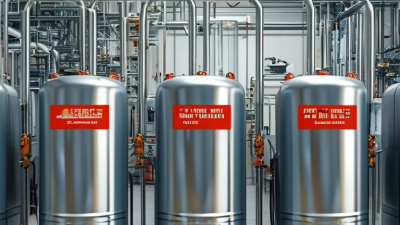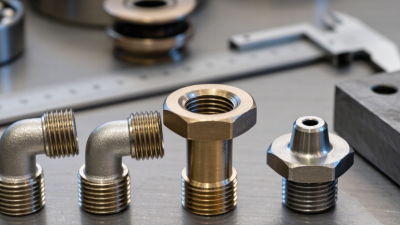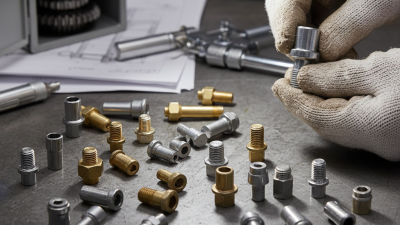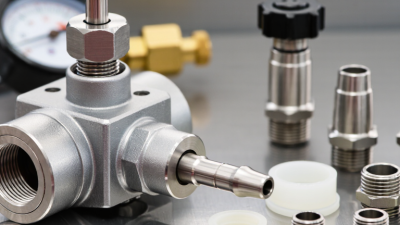
Choosing an air operated drum pump is not just a matter of matching a hose to a barrel. The right choice depends on the liquid, its viscosity, the required flow rate, and the conditions around the transfer point. A pump handling a thin cleaning solution faces different demands from one moving a sticky fluid through a long discharge line. Small details matter: drum opening size, hose length, seal material, and access to compressed air can all affect performance.
I can’t verify a named air operated drum pump expert’s quotation from the material provided, so I won’t invent one. A useful guiding principle is: “Match the pump to the fluid and the job—not just the drum.” Treat that as editorial guidance, not a sourced expert quote. This guide’s seven tips will help you compare wetted materials, air supply requirements, flow expectations, portability, and maintenance needs. Check the manufacturer’s compatibility information before selecting a pump, especially when fluid composition or temperature is uncertain. It is easy to focus on purchase price. That can be a mistake. A pump that struggles with the product or needs frequent servicing may cost more over time. Expect some trade-offs; the best choice is the one suited to your actual transfer task.
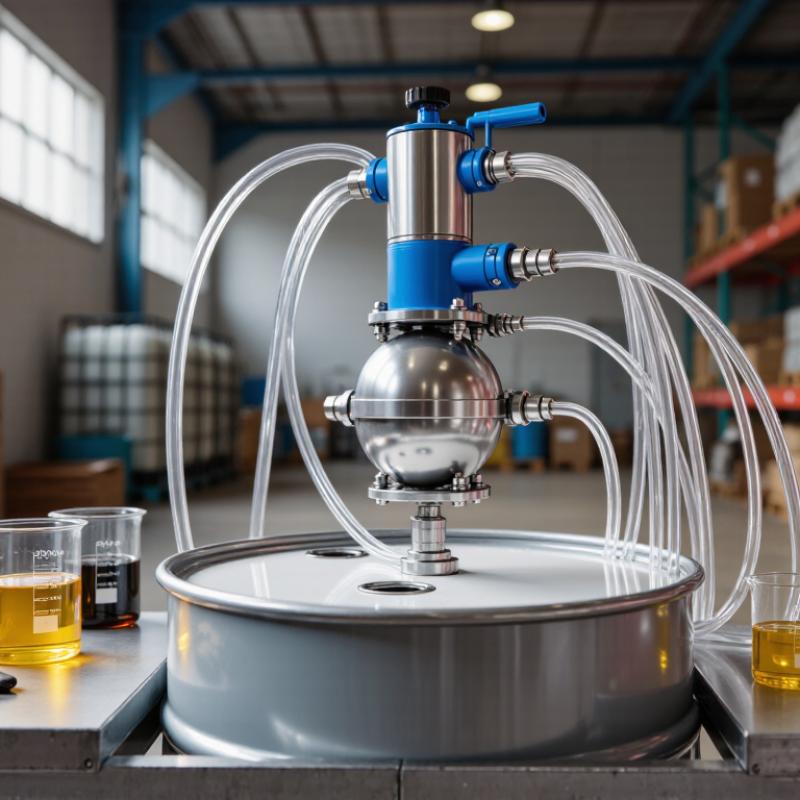
An air-operated drum pump uses compressed air to drive a motor at the top of its tube. The motor turns an internal rotor or impeller, depending on the pump design. As it spins, liquid enters through the tube’s lower opening and travels upward to the discharge hose. No electric motor sits beside the liquid container. That can be useful where electrical equipment needs careful control.
The pump’s performance depends on more than air pressure. Airflow, liquid viscosity, hose length, and lift height all affect transfer speed. A thin liquid may move readily, while a thick one can slow the flow. Check the pump’s rated conditions and the liquid-contact materials, including seals. Small compatibility errors matter.
Keep the intake below the liquid surface during operation. Watch the outlet for sputtering, which may indicate air entering the tube or an empty drum. Not complicated, but easy to overlook. Use a suitable air regulator and shut off the supply before inspection. An air-driven pump is not automatically safe for every liquid or location; follow the equipment instructions and site procedures. I sometimes expect pressure alone to solve a slow transfer, but the hose or fluid may be the real constraint.
An air-operated drum pump uses compressed air to drive a piston or diaphragm, creating the pressure that moves liquid through the pump. The chart shows theoretical force on a 1 cm² area at selected pressure differences, calculated as force = pressure × area; actual pump performance depends on its design, fluid viscosity, hose, and operating conditions.
When choosing a pump, check that your air supply matches its requirements, and consider the fluid’s compatibility, viscosity, required flow rate, transfer distance, and the pump’s materials and maintenance needs.
Identify the exact fluid before choosing an air operated drum pump. Record its chemical name, concentration, temperature, and viscosity. A mild-looking liquid may contain additives that attack pump materials. Not always obvious. Note any suspended particles, too; grit can wear moving parts or clog narrow passages. Check the fluid’s safety data sheet for handling and material information.
Tip: Compare every wetted component—not just the pump tube—with a reliable compatibility chart. This includes seals, hoses, gaskets, and fittings. Match the material to the fluid’s concentration and operating temperature, since both can change compatibility. Also consider what will be used for flushing or cleaning. A compatible fluid does not guarantee compatible cleaning chemicals.
If the mixture or its temperature varies, ask the pump supplier to confirm suitability in writing. Compatibility charts are useful, but they may not cover every blend. A small test may help, though it cannot replace technical guidance. Avoid relying on color, smell, or a “water-based” label alone. Those clues can be misleading. Check for swelling, softening, leaks, or unusual resistance during routine inspection, and stop if anything changes.
Match the pump’s rated flow to the amount of liquid you need to move, not just the drum’s size. A 200-liter drum emptied in ten minutes requires a theoretical flow of 20 liters per minute. Real transfers take longer. Hose length, narrow fittings, suction lift, and fluid viscosity all reduce delivered flow. Thick detergent or cold oil may need a slower rate than a thin solvent. Check the pump’s performance data at your actual air pressure and fluid conditions, and confirm the compressor can supply the required air volume continuously. Small details matter.
Compressed air has a real operating cost. The U.S. Department of Energy’s Improving Compressed Air System Performance: A Sourcebook for Industry estimates that compressed air can account for about 10% of electricity use in industrial facilities. That makes oversizing worth questioning: a pump that runs far above the needed rate may consume more air than the job justifies. Compare the pump’s stated liquid flow with its air consumption, usually listed in standard cubic feet per minute, at the intended pressure. Also allow for pauses, shared air lines, and pressure drops. I would treat catalog flow as a starting point, not a promise; a short trial with the actual liquid can expose a mismatch before routine use.
An air-operated drum pump needs more than a nearby compressor. Check the pump’s specified air-pressure range and required air consumption before connecting it. A gauge at the compressor may not show the pressure reaching the pump, especially through a long or narrow hose. A regulator and correctly sized air line help maintain steady operation. Never exceed the pump’s rated pressure. Small details matter.
Air quality also affects performance. Water or excess oil in the air line can interfere with the air motor, so check whether filtration or a moisture separator is recommended. In practice, a pump that runs smoothly with an empty drum may slow down as the product level falls or the hose run gets longer. Viscous liquids, greater lift, and cold conditions can increase the load. Easy to miss.
Think about the actual work area, not just the pump specifications. Confirm that seals and wetted materials suit the liquid, and check the temperature range in the operating manual. Keep the exhaust clear, secure the drum, and watch for unusual pulsing, leaks, or a drop in flow. If the pump struggles, don’t simply raise the air pressure; first check the supply, connections, and operating conditions. I would recheck those assumptions after moving the setup, too.
| Tip | What to Check | Practical Guidance | Why It Matters |
|---|---|---|---|
| 1. Confirm Available Air Pressure | Measure the pressure at the pump’s air inlet while the pump is running, not only at the compressor or regulator. | Compare the measured pressure with the pump’s specified operating range. Many industrial air-operated pumps use plant air around 60–100 psi (approximately 4.1–6.9 bar), but the permitted range varies by pump design. | Pressure that is too low can reduce flow or prevent the pump from operating as intended. Pressure above the stated limit can damage equipment or create a safety hazard. |
| 2. Check Air Flow and Supply Capacity | Review the pump’s air-consumption requirement and check the compressor, regulator, hose, fittings, and filter for adequate capacity. | Use the pump’s published air-consumption data at the intended pressure. Select air lines and fittings that do not cause excessive pressure drop; a compressor’s maximum pressure alone does not indicate its available flow. | Insufficient air volume can cause unstable cycling or lower liquid output, especially when several air tools share the same supply. |
| 3. Match Pump Capacity to the Transfer Task | Estimate the required liquid flow, transfer distance, lift, and discharge-line resistance. | Compare the duty point with the pump’s flow-versus-pressure or performance data. Account for hose length, hose diameter, bends, valves, and the vertical rise to the destination. | A pump’s maximum flow rating is usually measured under stated test conditions and may not represent the flow achievable in an installed system. |
| 4. Verify Fluid Compatibility | Check the fluid against all wetted materials, including the pump tube, seals, hose, and discharge fittings. | Confirm chemical compatibility at the actual fluid concentration and temperature. Consider corrosion, swelling, softening, and seal degradation; do not rely on a generic compatibility chart when the fluid is hazardous or highly reactive. | Incompatible materials can lead to leaks, contamination, reduced pump life, or exposure to hazardous liquid. |
| 5. Consider Viscosity and Temperature | Identify the fluid’s viscosity at its operating temperature, and note whether it contains solids or may thicken during transfer. | Check the pump’s stated viscosity limit and performance guidance. Higher-viscosity liquids generally require more effort to move and can reduce flow; verify any limits for particle size and solids content. | Viscosity and temperature affect pump performance and may change the air pressure, flow rate, or pump configuration needed for the application. |
| 6. Review Operating Environment and Safety | Assess the location, ventilation, liquid hazards, potential ignition sources, and applicable workplace requirements. | For flammable liquids, follow site procedures and applicable regulations for bonding and grounding conductive equipment and containers. Check whether the pump and accessories are suitable for the classified area and intended liquid. | Air operation does not by itself make a complete transfer setup safe for every hazardous or potentially explosive environment. |
| 7. Plan for Air Quality, Exhaust, and Maintenance | Check the air supply for moisture, dirt, and oil, and identify where the pump’s exhaust air will discharge. | Use filtration, regulation, and lubrication only as directed by the pump manufacturer. Keep the air inlet and exhaust unobstructed, and arrange exhaust air so it does not carry contaminants toward people or sensitive materials. | Suitable air preparation and routine inspection can help reduce wear and interruptions. Exhaust handling is important where noise, mist, or contaminated air may be a concern. |
Selection note: Always verify pressure limits, air consumption, fluid compatibility, and performance against the specific pump’s technical documentation and the conditions at the installation site.
Start with the fluid, drum size, and transfer rate you actually need. Then compare pump materials with the fluid’s compatibility requirements; a low purchase price means little if seals wear quickly. Check rated pressure, hose connections, and the air supply needed at the point of use. For flammable or sensitive fluids, review site procedures and the pump maker’s guidance on bonding, ventilation, and safe operation. Small details matter.
Compare safety features that fit the work area, not just the product sheet. Look for clear pressure limits, secure connections, and controls that let operators stop flow promptly. Ask whether the exhaust creates noise or needs routing away from the operator. Maintenance deserves equal attention. A simple design may make seal inspection easier, while moisture in an air line can shorten component life. Check filter requirements, service intervals, and whether replacement parts are readily available. A missed maintenance step can become a messy delay.
Total cost includes more than the pump. Estimate air consumption, routine parts, labor, and downtime across the expected service life. A cheaper unit may cost more if it runs slowly or needs frequent attention. Compare realistic duty cycles, not ideal catalog conditions. This comparison is rarely perfectly neat; usage varies by shift and fluid. Keep those assumptions visible, and leave room for repair costs.