Choosing the best grease gun coupler is not a small workshop decision. A leaking connection can waste grease, contaminate fittings, and slow maintenance work.
The market context is significant. Grand View Research estimates the global lubricants market reached approximately USD 167 billion in 2023. NLGI’s 2023 Global Grease Production Survey also records grease production across millions of metric tonnes worldwide. These figures show why reliable dispensing equipment matters in factories, farms, garages, and mobile repair vehicles. However, lubricant volume does not prove that one coupler suits every application.
Real-world performance depends on more than advertised pressure ratings. During routine servicing, a coupler should lock securely onto a worn Zerk fitting, release without excessive force, and resist grease leakage around the jaws. A mechanic working beneath a loader needs different handling from a technician servicing compact bearings on a production line. Small details matter. Thread quality, jaw strength, swivel design, seal durability, and compatibility with manual or pneumatic guns can change the entire experience.
This guide compares grease gun coupler designs using practical maintenance needs and manufacturer specifications. It also considers findings from NLGI guidance and industrial lubrication practices, rather than relying only on online ratings. Some popular couplers perform well in clean workshops but struggle with hardened grease or damaged fittings. That limitation is easy to overlook. The best choice is therefore not always the most expensive model. It should match your equipment, working pressure, fitting condition, and service frequency. Expect a few trade-offs. That is where honest buying advice begins.
What Is the Best Grease Gun Coupler to Buy?
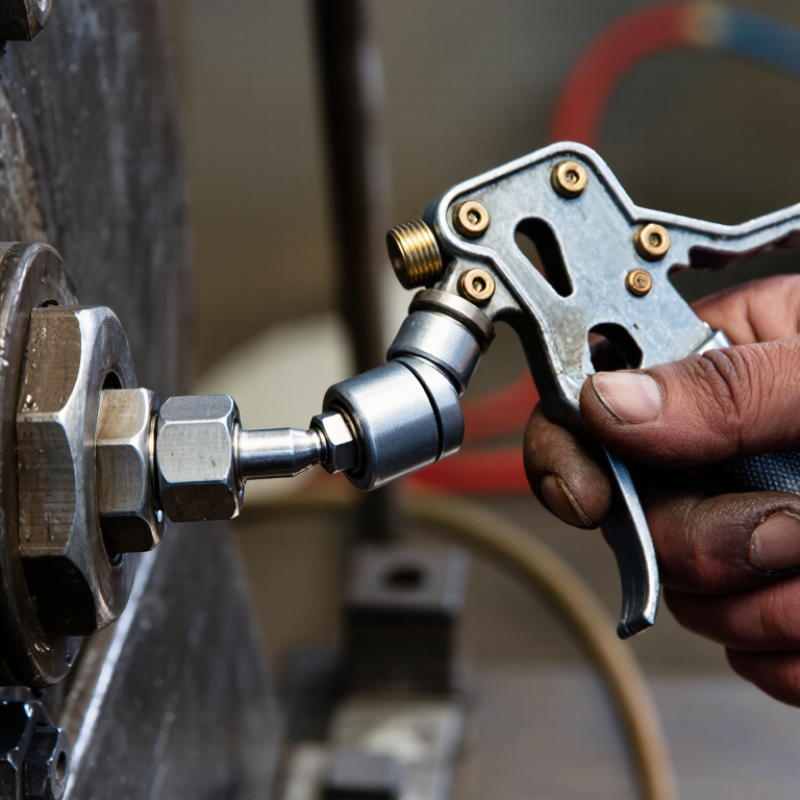
A grease gun coupler is the small fitting that connects the gun to a grease nipple. It transfers lubricant through a narrow passage under pressure. Most couplers use gripping jaws, a spring, and a sliding sleeve. The jaws clamp around the nipple’s head. The sleeve holds them in place during pumping. When released, the sleeve retracts and the coupler comes away.
The connection must seal tightly. Otherwise, grease escapes around the nipple instead of entering the bearing. NLGI’s 2023 Global Grease Production Survey reported roughly 2.6 billion pounds of lubricating grease production worldwide. That volume reflects how widely grease lubrication supports industrial and automotive equipment. It also shows why a poor connection can create unnecessary waste and maintenance delays. Some heavy-duty couplers are rated near 10,000 psi, but pressure ratings differ between designs. A higher number does not automatically mean better performance.
In practical use, the best coupler matches the nipple, grease viscosity, and working space. A locking sleeve helps when both hands are needed for pumping. A slim coupler fits recessed fittings, while a flexible extension improves access around shafts and guards. Check the jaws for wear and inspect the seal regularly. A coupler that leaks should not be forced tighter. I would avoid choosing by pressure rating alone. Alignment matters more than many buyers expect. Even a well-made coupler can disconnect when the nipple is damaged, contaminated, or slightly misaligned.
Choosing the best grease gun coupler starts with the fitting, not the tool’s appearance. The common four-jaw coupler grips standard grease fittings with four hardened jaws. It is affordable, widely compatible, and suitable for routine equipment maintenance. However, worn fittings can make its grip unreliable.
A hydraulic-lock coupler uses a threaded sleeve to secure the fitting tightly. It helps prevent grease leakage under high pressure. This type works well on stubborn or recessed fittings, but removal can be slow. A quick-release coupler saves time during repeated servicing. Its sliding collar releases the fitting without twisting the hose. I like its speed, though poor alignment may cause accidental separation.
Needle-tip couplers reach flush fittings and narrow grease passages. They require steady hand pressure and may slip if the surface is oily. A right-angle coupler improves access around joints, while a swivel coupler reduces hose twisting. These small details matter when working beneath machinery. They can also make the job less tiring.
Push-on couplers are useful when frequent attachment changes matter. They press onto compatible fittings without manual threading. Their seal depends heavily on correct size and fitting condition. Before buying, check the grease gun’s pressure rating, hose connection, fitting style, and available working space. No single coupler performs perfectly everywhere. I sometimes choose a versatile four-jaw model, then regret it around recessed fittings. A small specialized coupler can be the wiser purchase.
The best grease gun coupler depends on access, pressure, and maintenance habits. I once chose one by price alone. That was a mistake. The jaws loosened around a dirty fitting, and grease escaped across the joint. A secure locking sleeve matters more than a polished finish. Look for hardened jaws, a strong spring, and a seal that resists common lithium and calcium greases. The coupler should also match your gun’s working pressure, not only its advertised maximum pressure.
Fit matters under real equipment. A slim coupler reaches recessed fittings, while a swivel reduces hose twisting beside a bearing block. Check the fitting angle and available clearance before buying. ASTM D217 classifies NLGI grease grades by worked penetration; NLGI Grade 2 measures 265–295 tenths of a millimeter. That range is common, but thicker grease can increase pumping resistance. A reliable coupler should connect without excessive force. It should also release cleanly, without pulling the fitting from its thread.
The U.S. Department of Energy’s Operations & Maintenance Best Practices Guide reports that preventive maintenance can reduce costs by roughly 12–18% compared with reactive work. That saving depends on correct lubrication, not just frequent lubrication. A coupler with a visible pressure-release feature helps prevent over-greasing. Still, I would not trust every “leak-free” claim. Inspect the seal after several service cycles, especially around hot, dusty machinery. Small failures become expensive when ignored.
What Is the Best Grease Gun Coupler to Buy?
Choosing the best grease gun coupler starts with the fitting, not the handle. Check whether your equipment uses standard, flush, button-head, or recessed fittings. Measure the thread and confirm the coupler connection matches the gun hose. A small mismatch can cause leakage or damaged threads. I prefer a coupler that locks firmly with one hand, especially when the other hand supports a hose under a machine.
Match the coupler’s shape to your working space. A straight coupler suits open access, while a 90-degree or flexible design reaches side-mounted fittings. For recessed points, a narrow nose matters more than a high-pressure rating. The coupler must tolerate the pressure produced by your grease gun. Look for a clearly stated working pressure, not only an impressive burst figure. Jaw-style couplers grip securely, but they can stick to worn fittings if released under pressure. Bleed pressure first. It saves knuckles.
Grease consistency also changes the experience. Thick grease may need a coupler with a strong seal and rigid connection. Softer grease exposes leaks quickly. Keep the coupler aligned with the fitting, and avoid forcing it sideways. I once blamed a poor coupler for repeated leaks, then found a bent fitting and a cracked hose. That mistake changed my inspection routine. Wipe away dirt, inspect the fitting, and test the connection at low pressure. The right choice depends on the fitting, workspace, and maintenance habit.
This chart compares how well common coupler styles match typical grease-fitting profiles. A score of 5 indicates the most suitable practical match for access and retention; always verify thread size, fitting shape, and pressure rating before purchase.
The best grease gun coupler is not always the most expensive model. Choose one with a secure locking jaw, a flexible swivel, and a pressure rating above your equipment’s requirement. NLGI’s 2023 Global Grease Production Survey reported more than 2.6 billion pounds of grease production worldwide. That scale reflects how widely grease lubrication is used, but it also shows why small maintenance errors matter.
Before connecting, stop the machine and follow its isolation procedure. Wipe the fitting and coupler jaws with a clean, lint-free cloth. Push the coupler straight onto the fitting, then lock it firmly. Keep your hands away from the joint while pumping. A blocked passage can create sudden pressure. OSHA’s 2023 fatal occupational injury report recorded 5,283 workplace deaths in the United States, although it does not identify grease-gun incidents separately. The figure still supports disciplined maintenance habits.
After use, release pressure before removing the coupler. Do not twist it aggressively. Inspect the jaws, seal, hose, and swivel for wear or cracking. Clean the coupler and cap the gun to prevent dust entering the grease. Store it upright, away from heat and moisture. In practice, I have found that rushing removal damages seals faster than regular use. I still miss a dirty fitting occasionally, so a second visual check remains worthwhile. A coupler that sticks, leaks, or will not lock should be replaced, not forced.
| Evaluation Dimension | Recommended Specification or Feature | Typical Options | Why It Matters | Safe Use and Maintenance Guidance |
|---|---|---|---|---|
| Coupler Type | Choose a design that matches the grease fitting and the available working space. | Standard jaw coupler, 90-degree coupler, 360-degree swivel coupler, or flexible-locking coupler. | The correct geometry improves access and reduces the need to bend the hose or apply excessive force. | Confirm that the coupler is fully seated on the fitting before pumping. Do not force an incompatible coupler onto a damaged fitting. |
| Connection Size | Use a thread size that matches the grease hose or extension. | Common grease-gun connections include 1/8-inch NPT and metric alternatives depending on the equipment. | A properly matched connection helps prevent leakage and thread damage. | Check thread compatibility before installation. Tighten securely without overtightening, and use an appropriate thread sealant only where permitted. |
| Working Pressure | Select a coupler whose rated working pressure exceeds the grease gun's maximum operating pressure. | Many heavy-duty couplers are rated in the approximate range of 6,000 to 10,000 psi; ratings vary by design. | A higher pressure rating can provide a greater safety margin during normal lubrication work. | Never exceed the lowest pressure rating of the coupler, hose, gun, fitting, or accessory. Inspect the manufacturer's rating before use. |
| Locking Mechanism | A locking sleeve or hands-free locking mechanism is useful for difficult-to-reach fittings. | Manual jaw grip, lever-lock, push-on, or hydraulic-lock style. | A secure lock helps keep the coupler attached and reduces hand strain. | Release pressure from the grease gun before disconnecting a locked coupler. Do not twist or pry it off while the system is pressurized. |
| Material and Construction | Look for corrosion-resistant steel or hardened metal components with a robust body. | Plated steel, stainless-steel components, hardened jaws, and reinforced seals. | Durable materials resist wear caused by repeated attachment, pressure, and exposure to grease or moisture. | Wipe away dirt and grease after use. Replace parts showing cracks, severe corrosion, deformation, or damaged threads. |
| Seal and Jaw Design | The seal should grip the fitting without leaking, while the jaws should release cleanly. | Replaceable rubber or polymer seal with four-jaw or multi-jaw gripping elements. | Good sealing reduces grease loss and helps prevent contamination from entering the joint. | Keep the coupler aligned with the fitting. Replace worn seals or jaws instead of compensating by applying excessive pumping force. |
| Hose Compatibility | The coupler must match the hose's fitting, pressure rating, and flexibility requirements. | Rigid extension, flexible high-pressure hose, or swivel-mounted hose connection. | Flexible routing can improve access, while a rigid extension may offer better control in open areas. | Keep the hose away from sharp edges, hot surfaces, moving parts, and pinch points. Do not use a hose with exposed reinforcement. |
| Grease Compatibility | Use the coupler with lubricants approved for the equipment and compatible with its seals. | Common automotive and industrial greases may include lithium, calcium, or synthetic formulations. | Incompatible lubricants can cause seal swelling, hardening, poor lubrication, or contamination. | Follow the equipment manual and grease manufacturer's compatibility guidance. Avoid mixing greases unless compatibility is confirmed. |
| Ease of Disconnection | A coupler should disconnect without excessive force after pressure is relieved. | Manual release sleeve, pressure-release feature, or standard jaw release. | Easy release lowers the risk of damaged fittings, sudden hose movement, and hand injuries. | If the coupler is stuck, stop pumping and release trapped pressure through the grease gun's approved relief method. Never pull forcefully on the hose. |
| Best Choice for General Maintenance | Heavy-duty locking coupler with a swivel connection, replaceable seal, and a pressure rating suitable for the grease gun. | A locking model for frequent work; a standard jaw model for occasional, low-access-demand lubrication. | This combination provides a practical balance of grip, access, durability, and operator comfort. | Verify all ratings and dimensions before purchase. Product specifications differ, so the coupler should be selected for the actual equipment and grease gun. |
| Pre-Use Inspection | Check the body, jaws, seal, threads, hose, and release mechanism. | Inspection should be performed before every use. | Early detection of damage helps prevent leaks, separation, and high-pressure injection injuries. | Do not use a coupler or hose with leaks, cracks, loose fittings, damaged threads, or visible bulges. |
| Cleaning and Storage | Keep the coupler clean, capped when practical, and protected from moisture and dust. | Clean lint-free cloth, compatible degreaser, and a dry storage location. | Clean components maintain a better seal and reduce the chance of abrasive contamination entering the fitting. | Wipe the coupler after use, avoid immersing sealed parts in unsuitable solvents, and store the tool with the hose relaxed rather than sharply bent. |
| Personal Safety | Wear safety glasses and suitable gloves, and keep hands away from the discharge point. | Eye protection, work gloves, and protective clothing appropriate for the lubricant. | Grease under pressure can penetrate skin and cause a serious medical emergency even through a small puncture. | Never search for leaks with your hands. Seek immediate medical attention for any suspected injection injury, even if the wound appears minor. |
Pressure ratings, thread sizes, seal materials, and temperature limits vary by product. Always compare the coupler's specifications with the grease gun, hose, fittings, lubricant, and equipment manual before use.