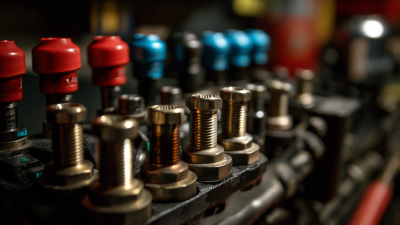
Choosing among the top 10 grease gun ends is not simply a matter of buying the strongest fitting. The correct end must match the coupler, grease nipple, pressure requirement, and working space. A workshop technician may need a standard four-jaw coupler for routine bearings, while a fleet mechanic may prefer a lock-on model or a needle-point adapter. Small differences matter. A loose connection can waste grease, contaminate equipment, and hide an incomplete lubrication job.
Professional maintenance guidance supports this practical concern. The U.S. Department of Energy’s Operations & Maintenance Best Practices Guide, Release 3.0, reports that preventive maintenance can reduce maintenance costs by roughly 12% to 18% compared with reactive programs. Lubrication is only one part of that result, but poor application can undermine the entire routine. SKF’s bearing-maintenance literature also identifies incorrect lubrication as a major contributor to bearing problems. The NLGI Lubricating Grease Guide further emphasizes selecting grease and application methods according to operating conditions, not convenience.
This article compares ten grease gun ends by grip, sealing performance, accessibility, durability, and practical control. It considers real workshop details: a blocked zerks fitting, a narrow suspension joint, and a coupler that refuses to release under pressure. Some rankings remain debatable. A premium end may perform poorly in dirty environments. A budget adapter may work surprisingly well when inspected carefully. That uncertainty deserves attention. The best grease gun ends are not always the most expensive; they are the ones that deliver clean, controlled, and repeatable lubrication.
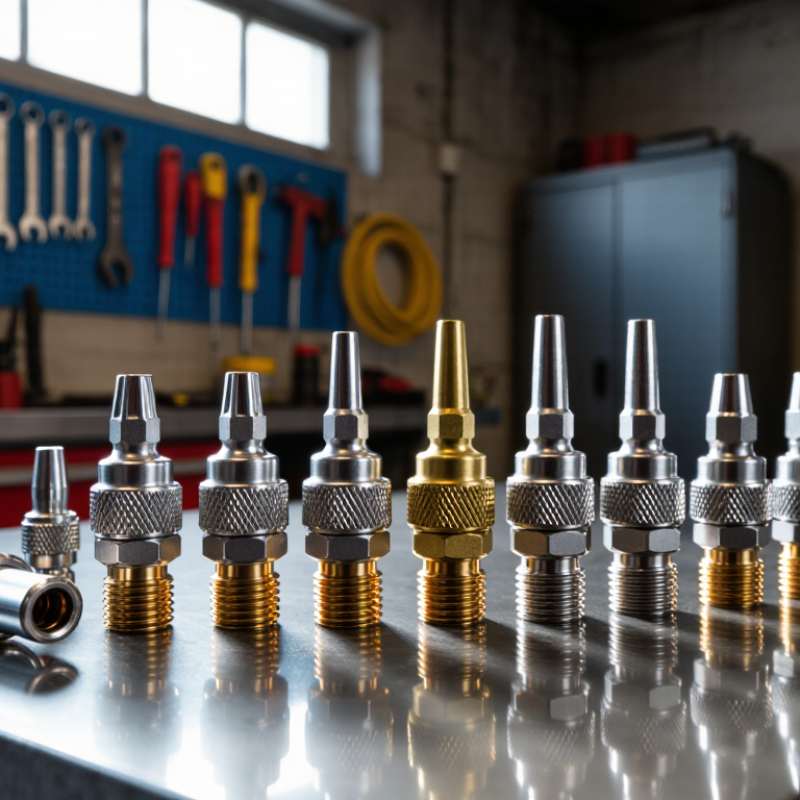
Grease gun ends are not interchangeable decorations. Their design controls seal quality, access, pressure handling, and wasted grease. The NLGI 2023 Grease Production Survey reported about 2.6 million metric tonnes of grease worldwide. That scale makes correct application important.
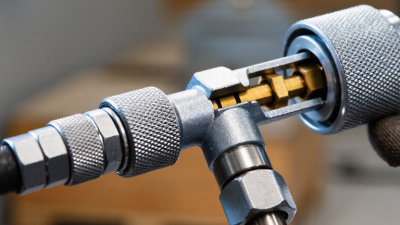
The top 10 coupler types serve different maintenance conditions. The standard four-jaw coupler fits common hydraulic fittings. A locking coupler grips during vibration. A quick-release coupler speeds repetitive servicing. The needle-point coupler reaches narrow passages. A flush coupler suits recessed fittings. A button-head coupler handles heavy equipment fittings. A 90-degree coupler reaches side-facing points. A swivel coupler reduces hose twisting. A flexible whip-end improves access around guards. A high-pressure coupler supports demanding lubrication points.
The ranking is not absolute. A needle tip may outperform a locking design in a tight joint. However, it can slip under pressure. Field technicians should also check fitting wear, hose stiffness, and seal condition. The U.S. Department of Energy’s Operations and Maintenance Best Practices Guide identifies poor lubrication practices as a major source of equipment reliability problems. The exact percentage varies by asset and study. That uncertainty deserves attention.
Tips: Match the coupler to the fitting before adding pressure. Wipe the fitting first. Use a short test stroke. Stop when resistance rises sharply. A pressure gauge can expose blocked passages, but it cannot replace inspection. Test your chosen end on one machine before standardizing it everywhere.
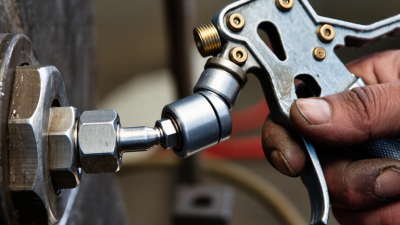
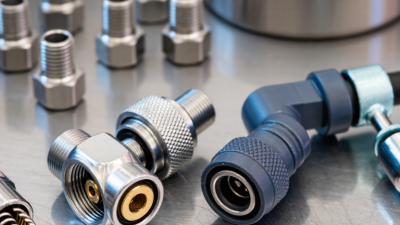
Grease gun ends vary by access, sealing method, and pressure capacity. Common choices include standard couplers, locking couplers, needle tips, angled adapters, flexible hose ends, and swivel connectors. Other useful designs include right-angle ends, narrow hydraulic couplers, extension ends, and quick-release couplers. Each serves a different fitting shape or working angle.
Pressure ratings deserve closer attention than appearance. A 10,000 PSI rating shows the end can withstand that pressure under specified conditions. It does not mean your grease gun will produce 10,000 PSI. Pressure is not everything. The gun, hose, fitting, grease thickness, and operator force also affect performance. A lower-rated end may suit routine equipment, while a high-rated end offers more safety margin for seized fittings. However, higher ratings can bring stiffer operation and greater release force.
Check the complete assembly rating, not only the coupler. A 10,000 PSI end connected to a weak hose remains a weak point. Threads must match, and the jaws should grip the fitting without excessive side loading. Inspect for bent jaws, cracked seals, or grease leakage before use. I would not trust a rating printed without test conditions or a recognized technical standard. That is an easy detail to overlook. Pressure figures help compare ends, but fit, control, and condition determine whether the tool works safely in real maintenance.
Compatibility matters more than appearance. The common top ten are the standard four-jaw coupler, hydraulic coupler, locking coupler, needle nozzle, button-head coupler, flush-fitting adapter, 90-degree adapter, right-angle coupler, swivel connector, and flexible whip hose. Each serves a different zerk fitting geometry. A standard four-jaw end suits many SAE J534 fittings. It may not seal correctly on a flush fitting.
DIN 71412 fittings often use a conical head, while metric threads can differ from inch-based threads. Match the fitting thread, head profile, and access angle before applying pressure. A 90-degree end helps inside tight joints. A needle nozzle fits recessed passages. A button-head adapter needs the correct large-head coupling surface. Small mismatches create grease leakage and false pressure readings.
NLGI 2023 Grease Production Survey reported more than 2.5 billion pounds of grease production worldwide. That volume reflects how widely these fittings serve industrial, agricultural, and transport equipment. Yet grease quantity is not the only concern. Field technicians should inspect the zerk for dirt, damage, and thread wear. Wipe the fitting first. Then test the coupler by hand. Locking ends improve retention, but they can still fail on worn fittings. I would not trust a universal adapter blindly. Standards guide the match, while real equipment condition decides whether it works.
Choosing among the top ten grease gun ends requires more than fitting the coupler to the nipple. Seal strength comes first. Hydraulic couplers grip firmly, while pin-type and button-head ends resist separation under vibration. Needle ends suit recessed bushings, but their narrow contact area can leak.
A 2023 maintenance survey published by a leading reliability engineering association found that contamination and incorrect lubrication remain frequent causes of bearing failure. That makes a clean, tight seal essential.
Access changes the decision. Ninety-degree, right-angle, flexible whip, and slide-on ends reach behind guards or around shafts. Flush and button-head ends work well where clearance is limited.
Quick-lock designs save time, yet their moving parts may wear faster in dusty workshops. Flow matters too. Larger passages deliver grease quickly, while needle tips provide controlled, slower delivery.
ASTM D217 penetration data shows that grease consistency directly affects pumpability, especially at low temperatures. Thick grease can expose a weak coupler.
Durability depends on steel hardness, spring quality, and joint protection. The U.S. Department of Energy estimates that effective maintenance programs may reduce energy use by 5–20%, partly through better lubrication practices. That figure is broad, not a promise for every machine.
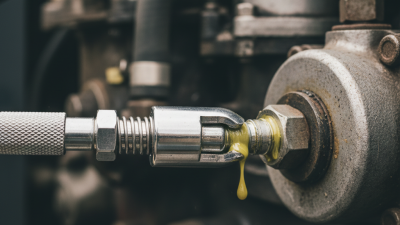
In field use, I would inspect the seal after several cycles, wipe the tip before connection, and check for grease bypass. Small leaks are easy to ignore. They should not be. The best end is the one that holds pressure, reaches the fitting, controls flow, and survives repeated handling.
Choosing among the top 10 grease gun ends starts with the service task, not personal preference. A locking hydraulic coupler suits standard recessed fittings and stays attached under pressure. A needle-point end reaches narrow passages, such as sealed bearing ports. For flush fittings, a flush-style adapter spreads force across the fitting face. Use a button-head coupler for large, exposed fittings on construction equipment.
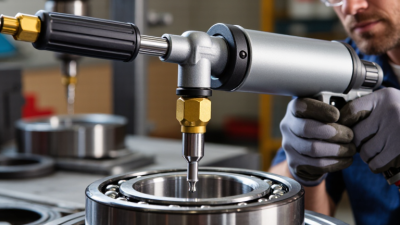
Access changes everything. A 90-degree end helps around guards and frame rails. A right-angle swivel improves control in cramped joints. A flexible hose end follows awkward paths near suspension parts. A rigid extension gives better pressure transfer when the fitting sits deep inside a bracket. A slide-on coupler works quickly when repeated attachment saves time. A swivel coupler reduces hose twisting during mobile repairs.
I inspect the fitting before selecting an end. Dirt, damage, and poor alignment can make a good tool seem unreliable. The end must match the fitting size and grease pressure. Never force a needle tip into a port that needs a coupler. That mistake can damage the seal. I also check whether the coupler releases cleanly, because trapped pressure can cause messy handling. My own selection is not perfect every time. Some access problems still require a second end, a shorter hose, or a better working angle. Clean fittings and measured pressure matter as much as the attachment itself.